

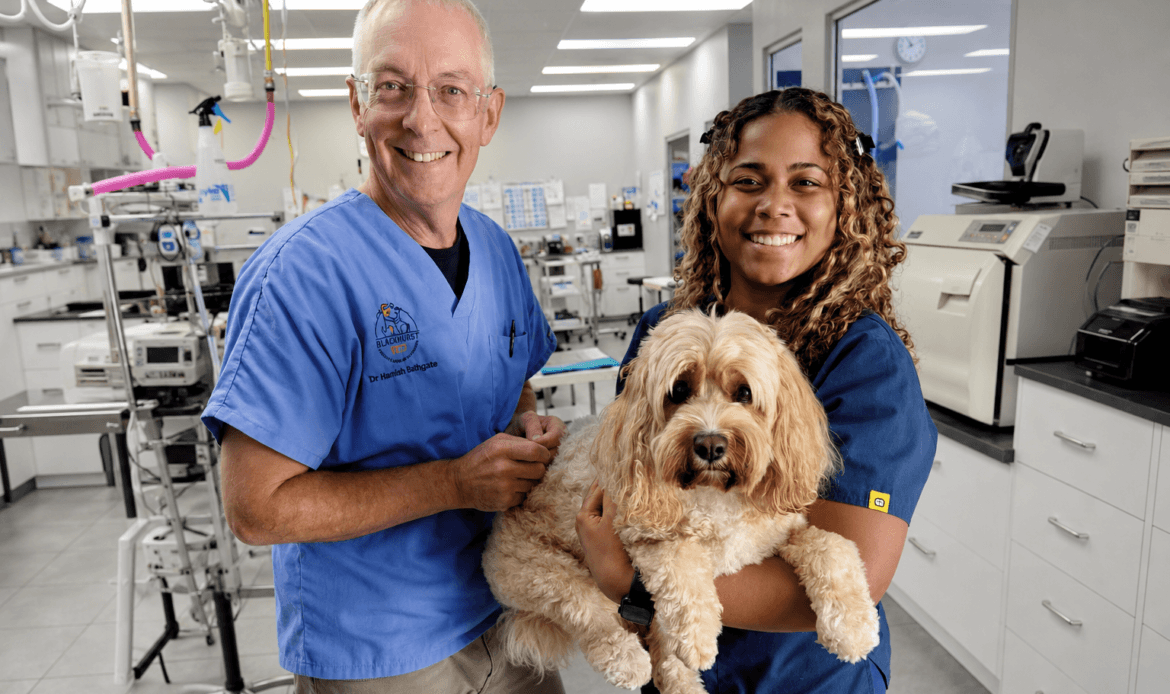
The Blakehurst Guide to Preventative Pet Care
Preventative pet care is about looking after your dog or cat before something is obviously wrong. Regular health checks, appropriate vaccinations, parasite prevention, dental care and maintaining a healthy weight can all play a part.
What your pet needs will change throughout their life. A puppy or kitten has very different needs from an adult pet, while older dogs and cats may benefit from more frequent monitoring.
At Blakehurst Vet, we look at your pet’s age, lifestyle, health history and individual risks rather than taking a one-size-fits-all approach to preventative care.
Quick answer: what preventative care does my pet need?
For most dogs and cats, preventative care includes:
- Regular veterinary health checks
- Vaccinations appropriate for their age and lifestyle
- Flea, tick and worm prevention based on their individual risk
- Regular dental assessment and home dental care
- Maintaining a healthy weight
- Appropriate nutrition
- Monitoring changes as your pet gets older
Preventative care is not about doing every possible test or treatment. It is about keeping track of your pet’s health and choosing the care that is appropriate for them.
Regular health checks
A routine veterinary examination gives us an opportunity to assess your pet when they are well, rather than only seeing them when something has gone wrong.
During a health check, we can assess areas such as your pet’s weight and body condition, teeth and gums, heart and lungs, skin and coat, joints, abdomen, eyes and ears.
It is also a chance to discuss changes you may have noticed at home. Drinking more, losing weight, becoming less active or developing a new lump may seem minor initially, but they can sometimes be early signs of a health problem.
At Blakehurst Vet, we recommend a health check at least once a year for adult pets. Older pets generally benefit from six-monthly checks because their health can change more quickly.
You can read more in our guide to how often your pet should have a health check.
Keeping vaccinations up to date
Vaccinations protect dogs and cats against several serious infectious diseases.
The vaccinations your pet needs depend on factors including their age, previous vaccination history and lifestyle. Puppies and kittens need an initial vaccination course, while adult pets require ongoing boosters according to the appropriate schedule.
Rather than vaccinating automatically, we review your pet’s vaccination history at their health check and let you know what is due.
If you are bringing home a new puppy or kitten and are unsure what vaccinations they have already received, bring any breeder, shelter or previous veterinary records with you.
Flea, tick and worm prevention
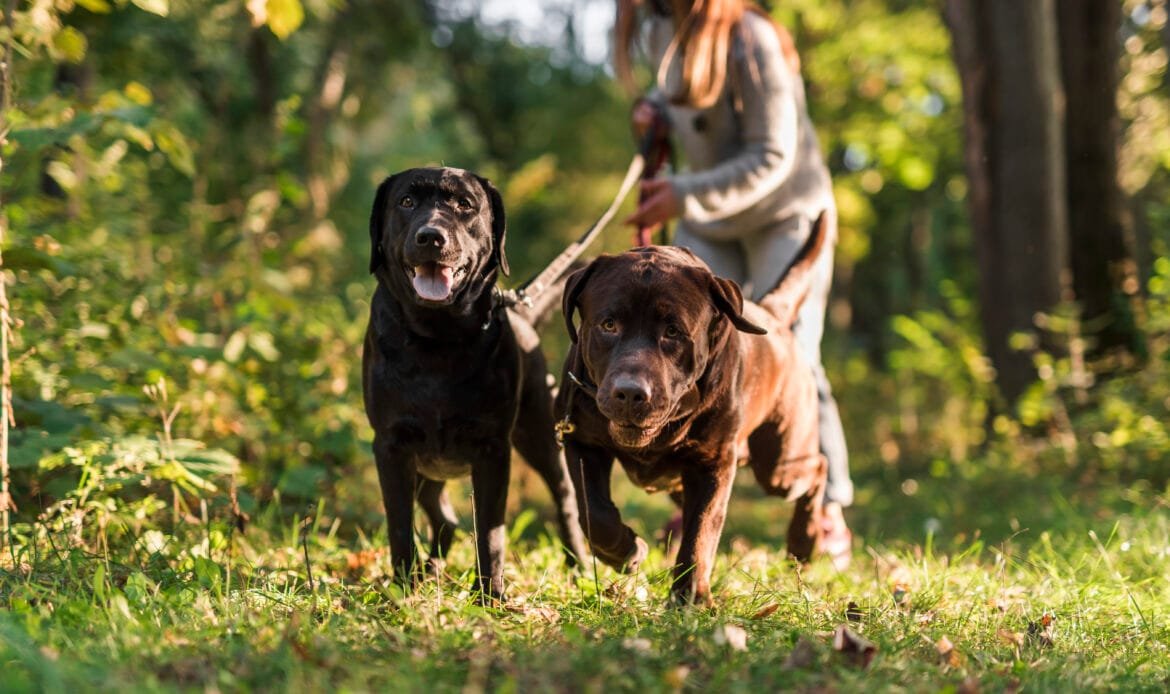
Parasite prevention is an important part of preventative care in Sydney, but not every pet necessarily needs exactly the same programme.
Your pet’s risk can depend on:
- Whether they are a dog or cat
- Their age and health
- Whether they spend time outdoors
- Where they live and travel
- Contact with other animals
- Hunting behaviour
- Their current flea, tick and worming products
Paralysis ticks are particularly important along the east coast of Australia, including NSW, and can cause serious illness in dogs and cats. Fleas and intestinal worms are also relevant to many Sydney pets.
If you are unsure what your current product actually protects against, bring the packet or a photo of it to your next appointment. We can check it and help identify any gaps.
Indoor pets are not automatically parasite-free either. Our guide to flea, tick and worming protection for indoor cats explains why the right approach depends on the individual cat.
Dental care is preventative care too
Dental problems can develop gradually, which means owners may not realise their pet is uncomfortable until disease has become more advanced.
At routine health checks, we examine your pet’s teeth and gums and let you know if there are signs of dental disease that need further attention.
Home care can also make a difference. Tooth brushing is one of the most effective options for dogs and cats that tolerate it, and your vet can recommend other suitable dental-care products where appropriate.
Bad breath, red or bleeding gums, difficulty chewing, dropping food or a sudden reluctance to eat harder foods are all reasons to have your pet’s mouth checked.
Blakehurst Vet also offers professional dental care for dogs and cats, including dental X-rays where indicated.
Maintaining a healthy weight
Your pet’s weight is about more than appearance.
Being overweight can place additional strain on joints and may contribute to other health problems. Unexplained weight loss can be equally important and sometimes provides an early clue that something has changed.
Your pet’s healthy weight will depend on their breed, body size, age and build, so the number on the scales is only part of the picture. During an examination, we can also assess their body condition and muscle condition.
If your pet needs to gain or lose weight, we can help you work out an appropriate feeding plan rather than simply cutting food or relying on the feeding guide on the packet.
Nutrition throughout your pet’s life
There is no single diet that is ideal for every dog or cat.
A growing puppy, an active adult dog, an indoor cat and a senior pet may all have different nutritional needs. Medical conditions can also affect what diet is appropriate.
For a healthy pet, the aim is generally to provide a complete and balanced diet in an amount that maintains an appropriate body condition.
If you are unsure whether your pet’s current food is suitable, bring the name or a photo of the packaging to your appointment and we can discuss it with you.

Preventative care for puppies and kittens
The first months of life involve a lot more than vaccinations.
Early veterinary visits allow us to check that your puppy or kitten is developing normally and establish a plan for:
- Vaccinations
- Flea, tick and worm prevention
- Nutrition and growth
- Desexing
- Dental development
- Behaviour and socialisation
- Ongoing health checks
Ideally, arrange a veterinary appointment within the first week or two after bringing a new puppy or kitten home.
For puppy owners, our guide to early puppy socialisation explains how to introduce your puppy to the world safely while their vaccination course is still being completed.
Preventative care for senior pets
Preventative care becomes particularly important as pets get older.
Dogs and cats can develop changes gradually, and some conditions cause few obvious symptoms in their early stages. More frequent examinations allow us to monitor trends in areas such as weight, mobility, dental health and general condition.
At Blakehurst Vet, we generally recommend six-monthly health checks for older pets.
Depending on your pet’s age, history and examination findings, we may also discuss blood tests, urine tests or other screening. These are considered individually rather than automatically being necessary for every pet.
Our guide to early signs of illness in senior pets explains some of the changes worth watching for at home.
What should I watch for between health checks?
Preventative care does not stop when you leave the veterinary clinic.
You know your pet’s normal habits better than anyone, so changes at home can provide important information.
Book an appointment if you notice a persistent change in things such as:
- Appetite
- Drinking or urination
- Weight
- Energy levels
- Mobility
- Breathing
- Toileting habits
- Skin or coat
- Behaviour
- Lumps or bumps
You do not need to wait for your pet’s next routine health check if something has changed.
Frequently asked questions
How often should my dog or cat have a health check?
We recommend at least one health check each year for adult dogs and cats. Older pets generally benefit from six-monthly checks, while pets with an existing medical condition may need to be seen more frequently.
Does my pet need vaccinations every year?
Not necessarily. Different vaccines have different schedules, and what your pet needs depends on their age, vaccination history and lifestyle. At your pet’s health check, we can review their records and tell you what is due.
Does an indoor pet still need preventative care?
Yes. Indoor pets still benefit from regular health checks, dental care, appropriate vaccinations and weight monitoring. Their parasite risk may differ from a pet that spends time outdoors, which is why prevention should be tailored to the individual animal.
How do I know which flea, tick and worm treatment my pet needs?
Products vary considerably in what they cover. The appropriate choice depends on your pet, lifestyle and local risk. If you are unsure, bring your current product or a photo of the packaging to your appointment and we can review it with you.
Do healthy senior pets really need six-monthly checks?
We recommend six-monthly checks for older pets even when they appear well. Age-related changes can develop gradually, and more frequent examinations give us a better opportunity to identify and monitor changes.
Preventative pet care at Blakehurst Vet
Good preventative care changes as your pet changes.
At Blakehurst Vet, we provide health checks, vaccinations, parasite-prevention advice, dental care, nutritional advice and preventative care for puppies and kittens through to senior pets.
If your pet is due for a health check, or you are unsure whether their vaccinations or parasite prevention are up to date, book an appointment or call us on (02) 9547 2750.