

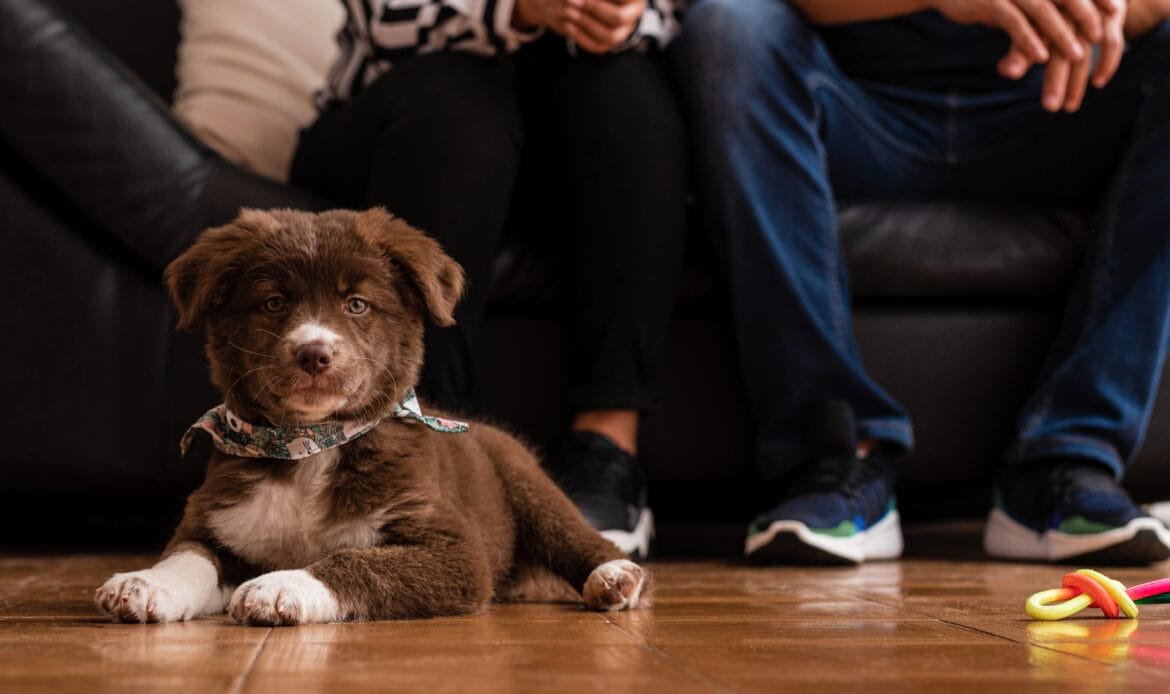
Early Puppy Socialisation: Give Your Pup the Best Start
The first few months of your puppy’s life are an important time for learning about the world. Positive experiences with different people, dogs, sounds, surfaces and environments can help your puppy grow into a more confident and adaptable adult dog.
But socialisation does not mean taking an incompletely vaccinated puppy straight to the dog park. The aim is to introduce new experiences safely, gradually and positively, while still protecting your puppy from infectious disease.
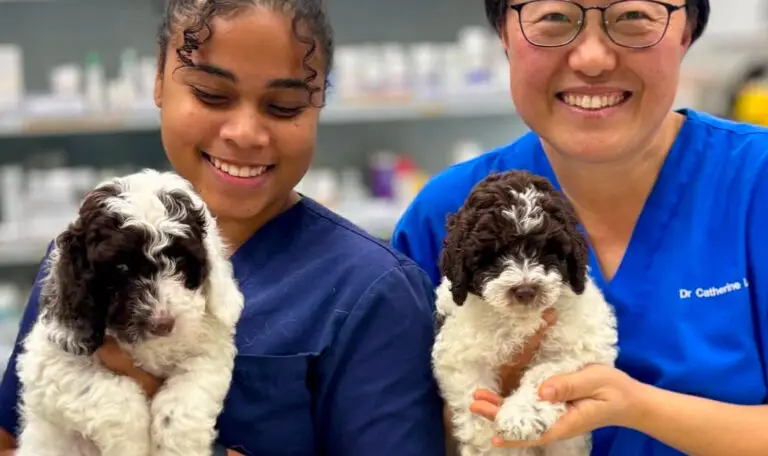
At Blakehurst Vet, we can help you balance both sides of your puppy’s early development, including vaccinations, health checks and our free Puppy Play sessions.
Quick answer: when should puppy socialisation start?
Puppy socialisation begins very early, during the first few months of life. You do not necessarily need to wait until your puppy has completed every vaccination before introducing them to new experiences.
Before they are fully vaccinated, choose lower-risk activities such as meeting healthy, vaccinated dogs you know, experiencing new people and household sounds, being carried in public areas and attending a well-managed puppy socialisation programme.
Avoid high-risk areas such as dog parks and places heavily used by unknown dogs until your vet advises that your puppy has adequate vaccination protection.
What does puppy socialisation actually mean?
Socialisation is much more than simply letting your puppy play with other dogs.
Your puppy is learning how to respond to everything around them. Useful early experiences can include:
People of different ages and appearances
Calm, healthy dogs
Different household noises
Traffic and neighbourhood sounds
Car travel
Being gently handled
Different floor and ground surfaces
Veterinary visits
New objects and environments
Short periods of being settled independently
The goal is not to expose your puppy to as many things as possible in one go. It is to help them experience new things without becoming frightened or overwhelmed.
Why is early socialisation important?
Puppies are particularly receptive to new experiences during their early development.
Positive experiences during this time can help puppies learn that unfamiliar people, places, sounds and situations are safe. This can support confidence and make everyday experiences easier as they grow.
Socialisation also gives puppies opportunities to learn appropriate communication with other dogs.
Every puppy is different, however. A naturally cautious puppy may need more distance and time than an outgoing one. Forcing an interaction can have the opposite effect, so watch your puppy’s body language and allow them to approach new experiences at their own pace.
Can I socialise my puppy before they are fully vaccinated?
Yes, but it needs to be done thoughtfully.
Puppies are vulnerable to infectious diseases such as parvovirus while their vaccination course is still being completed. At the same time, completely isolating them until they are fully vaccinated can mean missing an important period of behavioural development.
Safer options before full vaccination can include:
Having visitors meet your puppy at home
Introducing your puppy to healthy, fully vaccinated dogs you know
Carrying your puppy while they experience the neighbourhood
Taking short car trips
Introducing household noises and different surfaces
Gentle handling of paws, ears and mouth
Attending a controlled puppy socialisation programme where appropriate
Avoid dog parks, communal dog areas and other places where large numbers of dogs of unknown vaccination status have been until your vet advises that it is safe.
Your puppy’s individual vaccination status and local disease risk matter, so ask your vet if you are unsure what is appropriate.
Keep new experiences positive
More exposure is not automatically better socialisation.
If your puppy is frightened, trying to escape, hiding or becoming overwhelmed, give them more space rather than forcing the interaction.
Food rewards, play and praise can help your puppy build positive associations with new experiences. Keep early outings short and finish while your puppy is still coping well.
Something as simple as calmly watching traffic from your arms, hearing the vacuum cleaner from another room or meeting one friendly visitor can be a useful socialisation experience.
Handling is part of socialisation too
Getting your puppy comfortable with gentle handling can make veterinary visits, grooming and everyday care much easier later.
Practice briefly and positively touching:
Paws and toes
Ears
Mouth and lips
Legs
Tail
Collar and harness
Reward calm behaviour and stop before your puppy becomes frustrated.
This is also a good time to begin making visits to the vet feel normal rather than something that only happens when your puppy is unwell.
Puppy Play at Blakehurst Vet
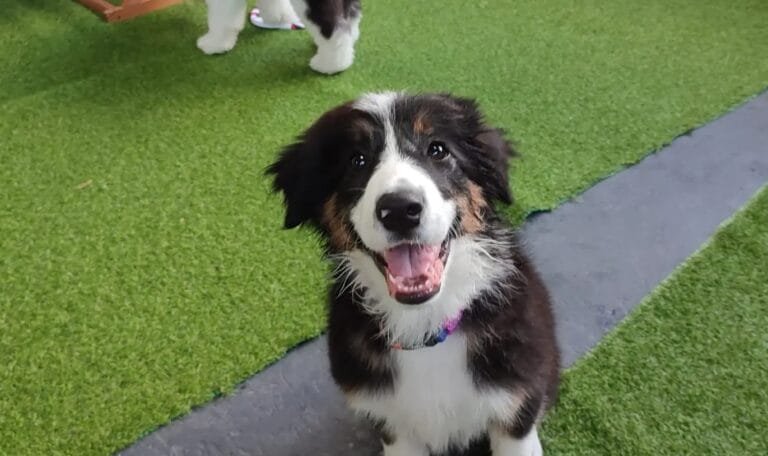
Blakehurst Vet runs free Puppy Play sessions on Wednesdays to give young puppies an opportunity to interact with other pups in a supervised environment.
Puppies need to have received at least one vaccination before attending.
Our current age ranges are:
Smaller breeds: 10–14 weeks
Larger breeds: 8–12 weeks
Puppy Play consists of three sessions, and owners do not stay during the session. This allows the puppies to interact, explore and build confidence independently while being supervised by our team.
The sessions can also help puppies develop a positive association with coming to Blakehurst Vet while they are still young.
Call us on (02) 9547 2750 to ask about the next Puppy Play intake.
Is Puppy Play the same as Puppy School?
No. Puppy Play at Blakehurst Vet is focused on early socialisation and supervised interaction between puppies.
It is not a puppy training school and does not replace structured training with a qualified dog trainer.
If you are looking for Puppy School or more comprehensive behaviour and training support, our team can point you towards an appropriate local trainer.
Your puppy’s first vet visits
Socialisation is only one part of giving your puppy a healthy start.
We recommend bringing a new puppy to the vet soon after you bring them home. Their early visits give us a chance to:
Check their general health and development
Review their vaccination history
Plan their remaining vaccinations
Discuss flea, tick and worm prevention
Talk about feeding and growth
Discuss desexing and the appropriate timing for your puppy
Answer questions about behaviour, exercise and development
These early appointments are also an opportunity to help your puppy become comfortable with the clinic before they ever need treatment for an illness or injury.
What vaccinations does my puppy need?
Puppies need a course of vaccinations because protection from antibodies passed on by their mother gradually decreases during the first months of life.
The exact vaccination schedule can vary depending on your puppy’s age, previous vaccination history and individual circumstances.
Your vet will tell you when your puppy’s next vaccination is due and when they can safely start visiting higher-risk public areas such as dog parks.
Do not assume that one vaccination means your puppy is fully protected.
When can my puppy go to the dog park?
Dog parks are very different from controlled puppy socialisation.
They contain dogs of unknown health, vaccination status, temperament and play style, so they are generally not an appropriate place for an incompletely vaccinated young puppy.
Ask your vet when your puppy has enough vaccination protection to begin visiting public dog areas.
Even once fully vaccinated, a busy dog park is not necessarily the best first introduction to other dogs. Calm, positive interactions with suitable dogs are usually a better way to build confidence.

Frequently asked questions
Does my puppy need to be fully vaccinated before socialising?
Not necessarily. Puppies benefit from safe, positive experiences during their early development, even before their vaccination course is complete. The key is to minimise disease risk by avoiding high-risk areas and unknown dogs. Your vet can advise what is safe for your individual puppy.
How old does my puppy need to be for Puppy Play at Blakehurst Vet?
Our Puppy Play age range depends on your puppy’s size. Smaller breeds generally attend between 10 and 14 weeks, while larger breeds generally attend between 8 and 12 weeks. Puppies must have received at least one vaccination.
Do owners stay during Puppy Play?
No. Owners do not stay during the sessions. The puppies are supervised by our team while they interact and play.
How many Puppy Play sessions are there?
Puppy Play runs over three sessions on Wednesdays.
Is Puppy Play the same as puppy training?
No. Puppy Play is primarily about socialisation and supervised interaction. It is not a Puppy School or obedience-training programme.
When should my new puppy first see a vet?
Ideally, arrange a veterinary appointment within the first week or two of bringing your puppy home. This allows us to check their health, review their vaccination and parasite-prevention needs and answer any questions about their development.
Give your puppy a healthy start at Blakehurst Vet
The early months go quickly, and there is a lot to think about when you bring home a new puppy.
Blakehurst Vet provides puppy health checks, vaccinations, parasite prevention and desexing advice, along with our free Puppy Play sessions to help young puppies build confidence and social skills.
To book your puppy’s first appointment or ask about the next Puppy Play sessions, call (02) 9547 2750.