

Why Does My Dog Eat Grass? When Should I Worry?
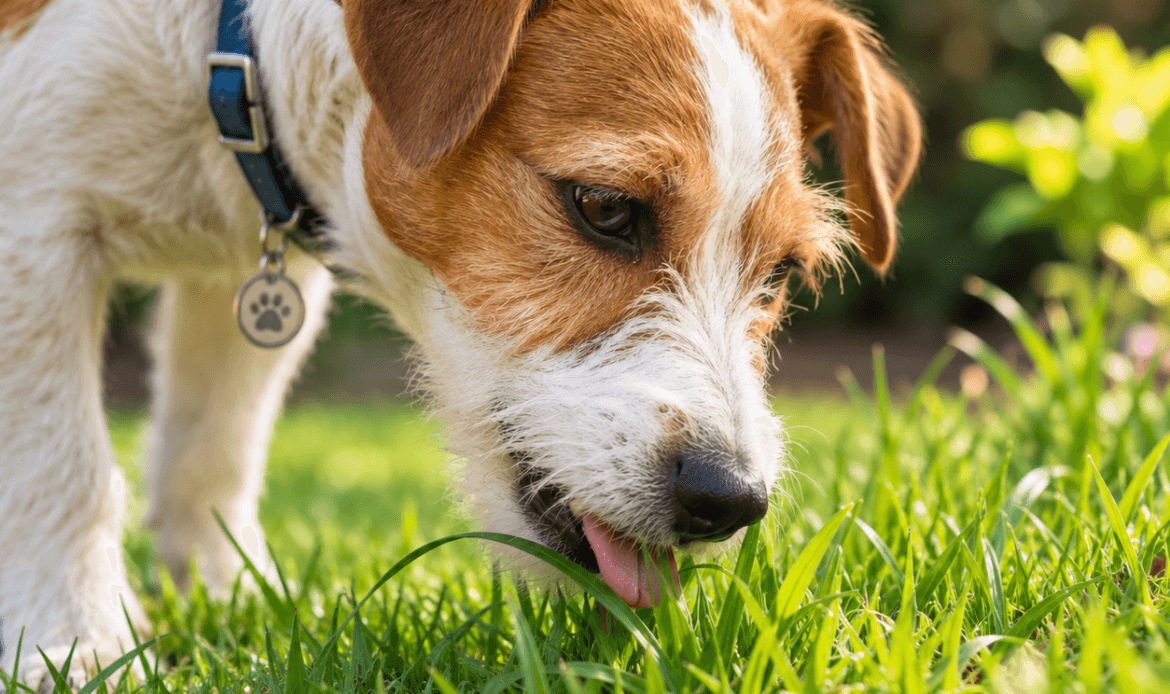
You’re out walking your dog, enjoying a perfectly normal morning, when they suddenly stop to eat a mouthful of grass.
Perhaps they do it every now and then. Perhaps they seem determined to sample every lawn in the neighbourhood.
It’s one of those little dog habits that leaves owners wondering: is this normal, or is my dog trying to tell me something?
At Blakehurst Vet, we know that changes in your dog’s everyday behaviour can raise questions. The reassuring news is that occasional grass eating is quite common and doesn’t automatically mean your dog is unwell.
However, there are times when it deserves a closer look.
Quick Answer: Why Does My Dog Eat Grass?
Dogs eat grass for several possible reasons, including:
- Enjoying the taste or texture
- Natural curiosity or instinct
- Boredom or a need for stimulation
- Digestive discomfort or nausea
- Occasionally, dietary factors
Most dogs that eat grass are not sick, and many do not vomit afterwards.
If your dog occasionally nibbles on grass but is otherwise happy, active and eating normally, there is usually little reason to worry.
However, if the behaviour suddenly increases, becomes excessive or comes with vomiting, diarrhoea, appetite changes or lethargy, we recommend booking a veterinary appointment.
Is It Normal for Dogs to Eat Grass?
Yes, it can be completely normal.
Dogs are naturally curious about their surroundings. They investigate the world through their noses and mouths, and grass is simply one of the many things they may decide to investigate.
Some dogs seem particularly fond of fresh, soft grass. Others have a quick nibble during a walk and then carry on as though nothing happened.
Even dogs eating a well-balanced diet can enjoy grazing occasionally.
What matters most is understanding what is normal for your individual dog.
A dog that has always enjoyed the occasional mouthful of grass is quite different from one that suddenly starts frantically eating large amounts every day.
Does Eating Grass Mean My Dog Has an Upset Stomach?
Not necessarily.
One of the most common beliefs is that dogs eat grass because they feel sick and want to make themselves vomit.
Although some dogs do eat grass when they are feeling nauseous, this does not explain every case.
In fact, most dogs that eat grass do not appear unwell beforehand and do not vomit afterwards.
Sometimes grass eating may be related to an upset stomach. Other times, your dog may simply enjoy it.
If you notice your dog urgently searching for grass, repeatedly swallowing, licking their lips, vomiting or refusing meals, we would be more concerned about possible digestive discomfort.
The combination of symptoms is often more useful than the grass eating alone.
Could My Dog Be Eating Grass Because They’re Bored?
Possibly!
Dogs need opportunities to explore, play, exercise and use their brains.
For some dogs, nibbling grass may simply be another activity when there isn’t much else happening.
You might notice this when your dog spends time alone in the backyard or during a slow walk where they are investigating every interesting smell.
If boredom seems to be contributing, try adding variety to their routine.
This might include:
- Sniffing walks in different locations
- Puzzle feeders or food-dispensing toys
- Short, positive training sessions
- Interactive playtime
- Age-appropriate exercise
If your dog’s behaviour has changed significantly or you suspect anxiety is involved, our team can discuss their routine and whether further behavioural advice may help.

Is My Dog Missing Something From Their Diet?
Owners sometimes worry that eating grass means their dog isn’t getting enough fibre, vitamins or other nutrients.
While diet may play a role in some cases, grass eating on its own does not mean your dog has a nutritional deficiency.
Dogs eating a complete, balanced diet may still enjoy grass.
Rather than adding supplements or changing food based on grass eating alone, consider the bigger picture.
Has your dog’s appetite changed? Are their stools normal? Have they lost or gained weight? Are they eating their usual meals happily?
At Blakehurst Vet, we can review your dog’s diet, weight and nutritional needs as part of our Wellness & Prevention services.
Is Grass Safe for Dogs to Eat?
The grass itself isn’t always the biggest concern. What is on or around it can be more important.
Lawns, parks and nature strips may contain:
- Pesticides or weed killers
- Fertilisers and other garden chemicals
- Animal droppings
- Parasites or harmful bacteria
- Other plants that may be toxic to dogs
This is particularly relevant when walking through public spaces where you don’t know what products have been used.
We recommend discouraging dogs from eating grass in unfamiliar areas, especially where chemicals may have been applied.
Keeping your dog’s parasite protection up to date is also important. Our preventative pet care guide explains why ongoing protection matters.
When Should I Worry About My Dog Eating Grass?
Occasional grazing is usually less concerning than a sudden or persistent change.
We recommend contacting Blakehurst Vet if your dog:
- Starts eating much more grass than usual
- Seems desperate or frantic about finding grass
- Vomits repeatedly
- Has diarrhoea or other changes in their stools
- Refuses food or loses interest in treats
- Seems tired, uncomfortable or unusually quiet
- Has ongoing changes in appetite or weight
These signs don’t necessarily mean something serious is wrong, but they can indicate that your dog needs a health check.
If your dog is repeatedly retching without bringing anything up, has a swollen abdomen, collapses or seems severely distressed, seek emergency veterinary attention immediately.
What Should I Do If My Dog Keeps Eating Grass?
Start by paying attention to when it happens.
Does your dog graze first thing in the morning? Only on walks? After meals? When left alone?
It can help to make a note of:
- How often they eat grass
- Whether the behaviour is new
- Any vomiting or digestive changes
- Changes in appetite, weight or energy
- Whether they may have accessed lawn chemicals
Avoid trying to diagnose the cause from grass eating alone.
If your dog otherwise seems healthy, redirecting their attention towards a walk, toy or another activity may be enough.
If the behaviour continues or you’re concerned, we’re happy to examine them.
What Happens If I Bring My Dog to Blakehurst Vet?
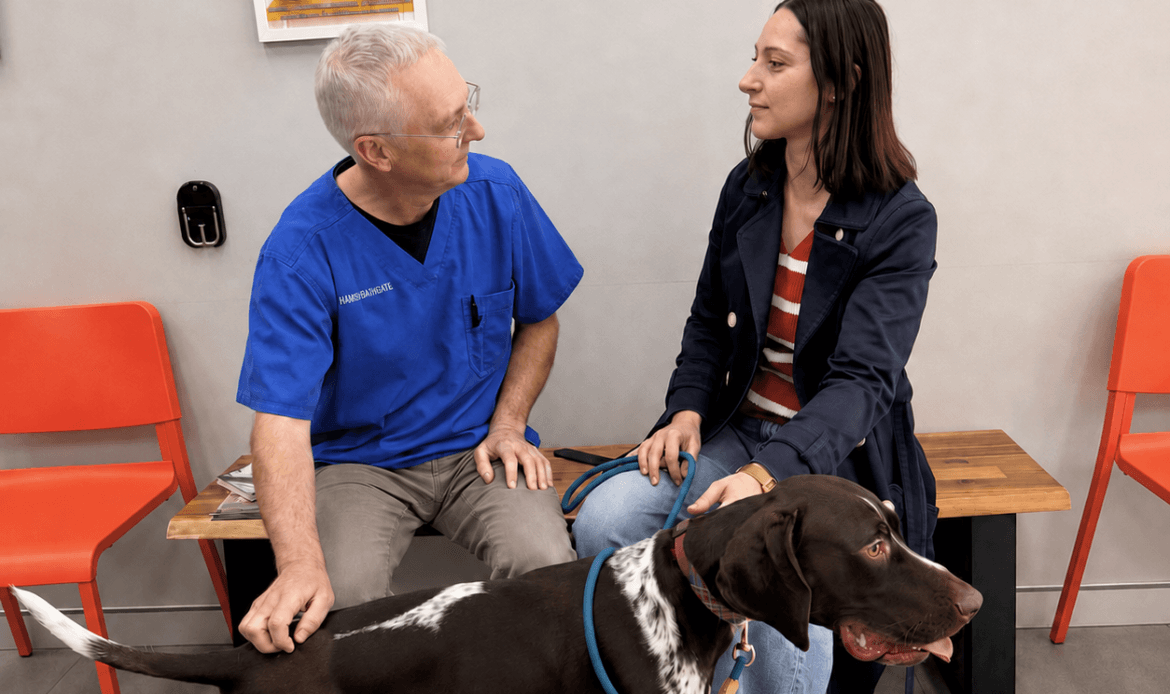
We’ll start by asking about your dog’s eating habits, usual diet, recent behaviour and any symptoms you’ve noticed.
Our vets will examine your dog and assess their general health, including their abdomen, weight and hydration.
Depending on what we find, we may recommend dietary changes, monitoring or further tests to investigate possible digestive problems.
Not every dog that eats grass needs testing.
Our aim is to understand whether the behaviour is harmless or whether something else needs attention.
Frequently Asked Questions
Why does my dog eat grass every morning?
Some dogs develop a regular grazing habit. However, if morning grass eating is accompanied by vomiting, refusing breakfast or signs of nausea, it’s worth arranging a check-up.
Do dogs eat grass to make themselves vomit?
Some dogs may eat grass when they feel unwell, but most grass-eating dogs do not vomit afterwards. It isn’t accurate to assume that every dog eating grass is trying to make themselves sick.
Should I stop my dog from eating grass?
It’s sensible to discourage grass eating in areas where chemicals, animal waste or potentially toxic plants may be present. Occasional grazing in a safe environment may be less concerning, but excessive eating deserves investigation.
Can puppies eat grass?
Puppies may investigate grass out of curiosity. Because young dogs can also swallow unsuitable objects or encounter garden chemicals, supervise them closely and contact us if they become unwell.
A Little Grass Isn’t Always a Big Problem
Dogs have plenty of quirky habits, and the occasional mouthful of grass is often just another one.
The important thing is recognising when something has changed.
At Blakehurst Vet, we care for dogs across Blakehurst, Hurstville, St George and the Sutherland Shire. Whether you’ve noticed unusual grass eating or simply have a question about your dog’s health, we’re here to help.
Contact Blakehurst Vet to arrange an appointment, or call us on (02) 9547 2750.