

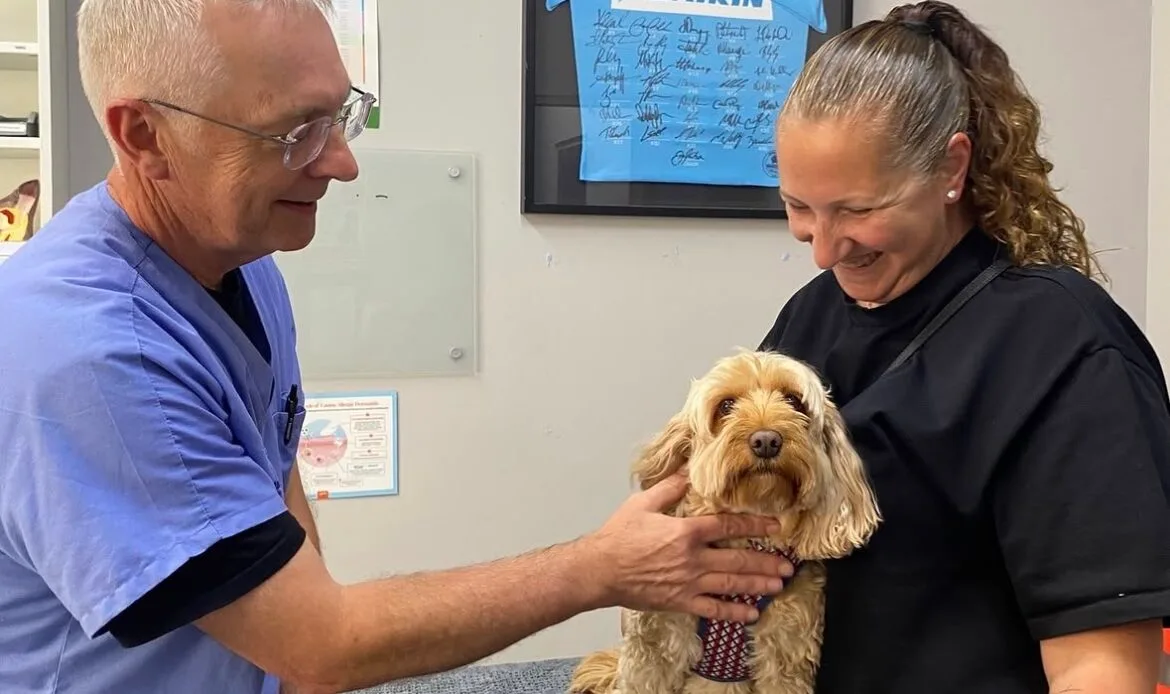
How to Make Vet Visits Less Stressful for Your Pet
For some pets, a trip to the vet is simply another outing. For others, the carrier appearing from the cupboard or the car turning into the clinic driveway is enough to make them nervous.
The good news is that there are plenty of small things you can do to help make vet visits feel more familiar and manageable.
At Blakehurst Vet, we know every pet responds differently. Our purpose-built veterinary hospital has a spacious reception area designed to keep cats and dogs separated while they wait, and our team takes the time to get to know the individual pet in front of us.
A little preparation at home can make the whole experience even easier.
Quick Answer: How Can I Make Vet Visits Less Stressful?
Start before appointment day. Make carriers and car trips more familiar, keep your own routine calm, bring treats or familiar comforts where appropriate, and tell our team if your pet is particularly nervous.
For young pets, positive early visits can also help them build a more comfortable association with coming to Blakehurst Vet.
If your pet is extremely anxious, let us know before the appointment. We can talk through what has happened during previous visits and discuss ways to make the next one easier.
Make the Carrier Feel Normal Before You Need It
For many cats, the stressful part of a vet visit begins long before they reach the clinic.
If the carrier only appears immediately before a car ride, your cat may quickly learn that carrier = something unusual is about to happen.
Instead, try leaving it somewhere accessible at home from time to time.
Add a familiar blanket or bedding and let your cat investigate it without being pushed inside. Some cats may even decide it is a perfectly good place to sleep.
The aim is simply to make the carrier feel like a familiar object rather than an alarming sign that a vet visit is coming.
For dogs, the same principle can apply to the car. If your dog only gets in the car when they are going somewhere they find difficult, occasional short and positive trips can help prevent the journey itself becoming a source of worry.
Keep Appointment Day as Normal as Possible
Pets are very good at noticing when something is different.
Suddenly rushing around, chasing a cat through the house or becoming frustrated because you are running late can make the whole experience feel more dramatic.
Where possible, give yourself plenty of time.
Have the carrier ready beforehand, keep things calm and follow any feeding or medication instructions our team has given you for the appointment.
If your pet has a favourite small treat and there’s no medical reason they cannot eat, bringing some along can also help create a positive association with the visit.
Tell Us If Your Pet Is Nervous
This is one of the most useful things you can do.
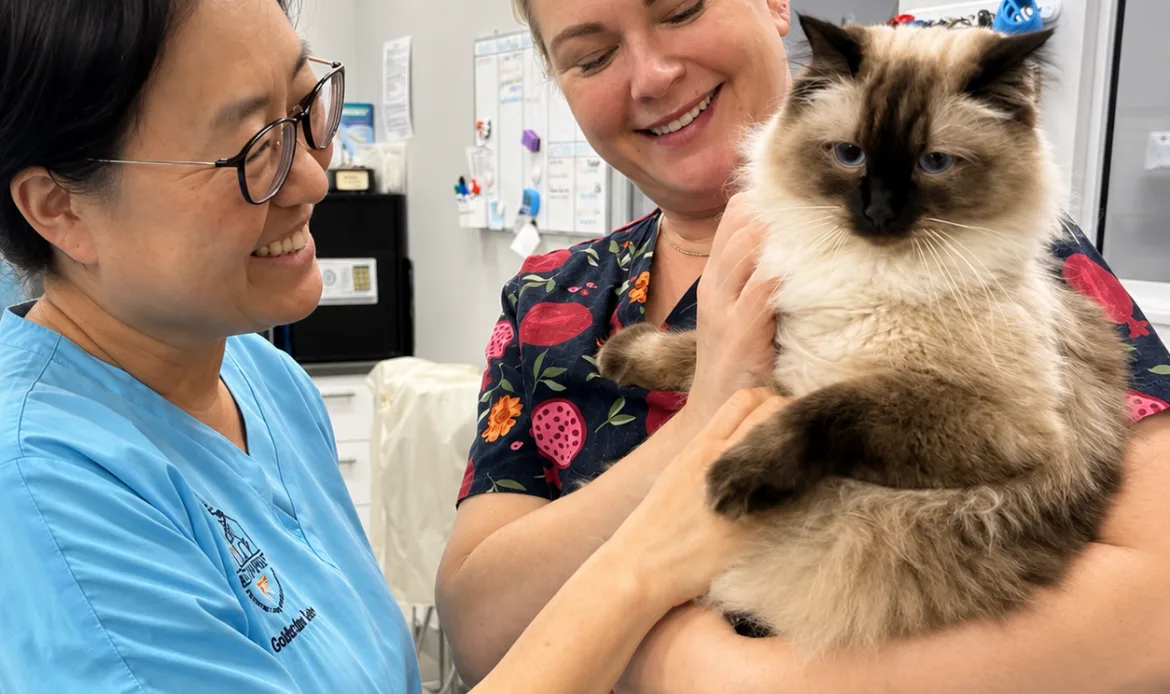
If your dog trembles in the waiting room, your cat hides at the back of the carrier, or your pet has struggled with handling during previous appointments, tell us.
That information helps our team understand what your pet finds difficult before we begin.
If anxiety is becoming a bigger issue at home or during veterinary visits, our behavioural advice service can help look at possible triggers and work out practical next steps.
You can also request a particular vet when booking. For nervous pets, seeing a familiar face where possible may help create some continuity from one visit to the next.
A Calmer Waiting Room Can Help Too
A busy waiting room can be especially difficult for cats and pets who are already nervous.
At Blakehurst Vet, our reception area is designed to keep cats and dogs separated while they wait.
That means a cat arriving in a carrier does not have to sit immediately beside an unfamiliar dog, and nervous dogs can have a little more space from feline patients.
You can find more information about appointments and our clinic setup in our Blakehurst Vet FAQs.
Let Your Pet Set the Pace Where Possible
Once you are in the consultation room, there is often no need to make every interaction happen immediately.
Some pets are naturally curious and begin exploring straight away.
Others prefer a moment to take in the room, smell their surroundings and work out who everyone is.
It also helps us enormously when owners tell us what their pet likes and dislikes.
Perhaps your dog is much happier when distracted with a treat. Maybe your cat strongly dislikes being picked up but is more comfortable being examined while standing on a towel.
Those details help us understand your pet as an individual.
Start Building Positive Associations While They Are Young
Puppyhood and kittenhood are a wonderful time to show pets that visiting the vet does not always have to mean something unpleasant.
At their early puppy and kitten care appointments, young pets begin becoming familiar with our team, the clinic environment and being gently handled.
For eligible puppies, our free Puppy Play sessions offer another opportunity to visit Blakehurst Vet for something fun.
Puppies spend an hour playing with other pups in a supervised environment, while also becoming more familiar with coming into the clinic.
Those positive experiences can help make the vet feel like a normal part of life rather than somewhere they only visit when they are sick.
Practise Simple Handling at Home
You can also help prepare your pet for examinations by gently getting them used to everyday handling at home.
When your pet is relaxed, you might briefly touch their paws, look around their ears or gently lift their lip. Keep it short and positive.
The aim is not to perform your own veterinary examination. It is simply to help normal handling feel less unusual when our team needs to check these areas later.
If your pet becomes uncomfortable, stop rather than forcing the interaction.
What If My Pet Is Extremely Anxious About the Vet?
Some pets need more help than others.
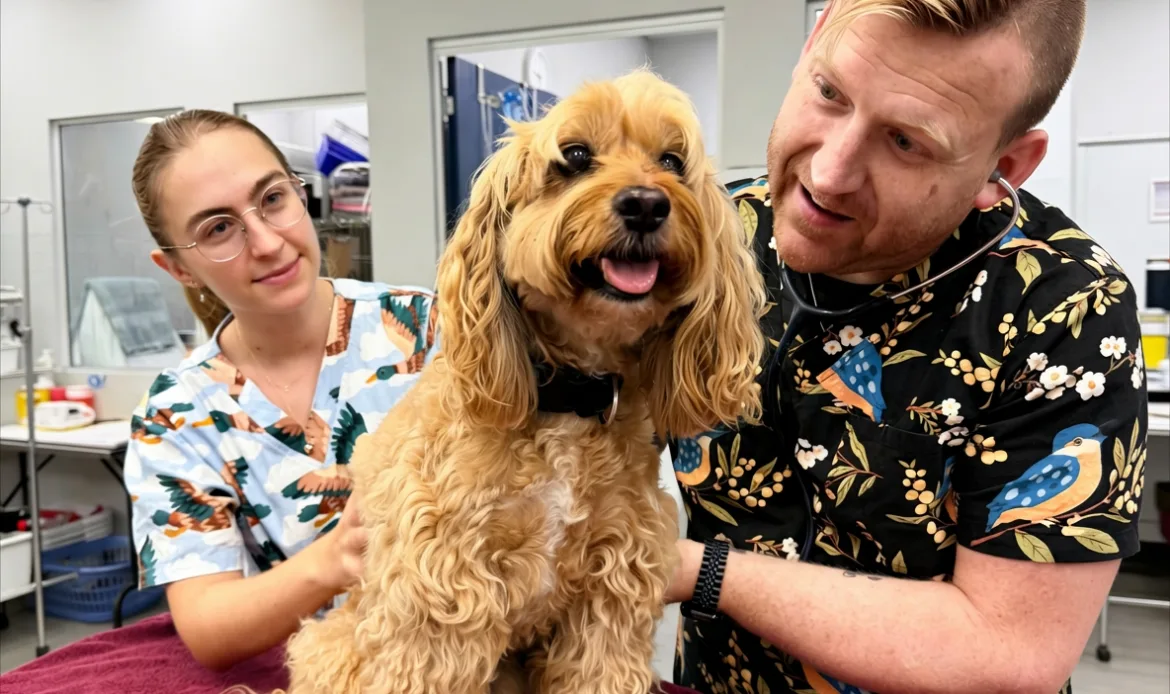
If your pet becomes very distressed during vet visits, tries to escape, growls, snaps, freezes or becomes extremely difficult to handle, please tell us before the appointment.
Fearful behaviour is communication, not your pet being “naughty”.
Our team can discuss what tends to trigger the behaviour and whether changes to the visit, behavioural support or another approach may be appropriate.
The more we know beforehand, the better prepared we can be.
FAQs
Should I bring treats to my pet’s vet appointment?
If your pet is allowed to eat normally and has a favourite treat, bringing some can be useful. However, some appointments or procedures may require fasting, so follow any instructions Blakehurst Vet gives you beforehand.
What should I do if my cat hates the carrier?
Try making the carrier part of their normal environment rather than only bringing it out on appointment day. Leave it open with familiar bedding inside and allow your cat to explore it voluntarily.
Can I tell Blakehurst Vet that my pet is nervous before we arrive?
Absolutely. Please let us know when booking or when you arrive. Information about previous visits, triggers and things that help your pet can be very useful.
Can I request the same vet each time?
Yes. You are welcome to request a particular Blakehurst Vet veterinarian when booking. Availability will vary, but we will do our best to accommodate your preference.
Why does Blakehurst Vet have separate waiting areas for cats and dogs?
A busy waiting room can be stressful, especially for cats and nervous pets. Our purpose-built reception helps keep cats and dogs separated while they wait so arrival can feel a little calmer.
A Better Vet Visit Starts Before You Arrive
A completely stress-free visit may not be realistic for every pet, but small changes can make a real difference.
Making travel more familiar, giving yourself enough time, telling us what your pet finds difficult and building positive experiences early can all help.
And if you have a particularly nervous pet, you do not need to work it out alone. Our team at Blakehurst Vet can help you find an approach that suits them.