

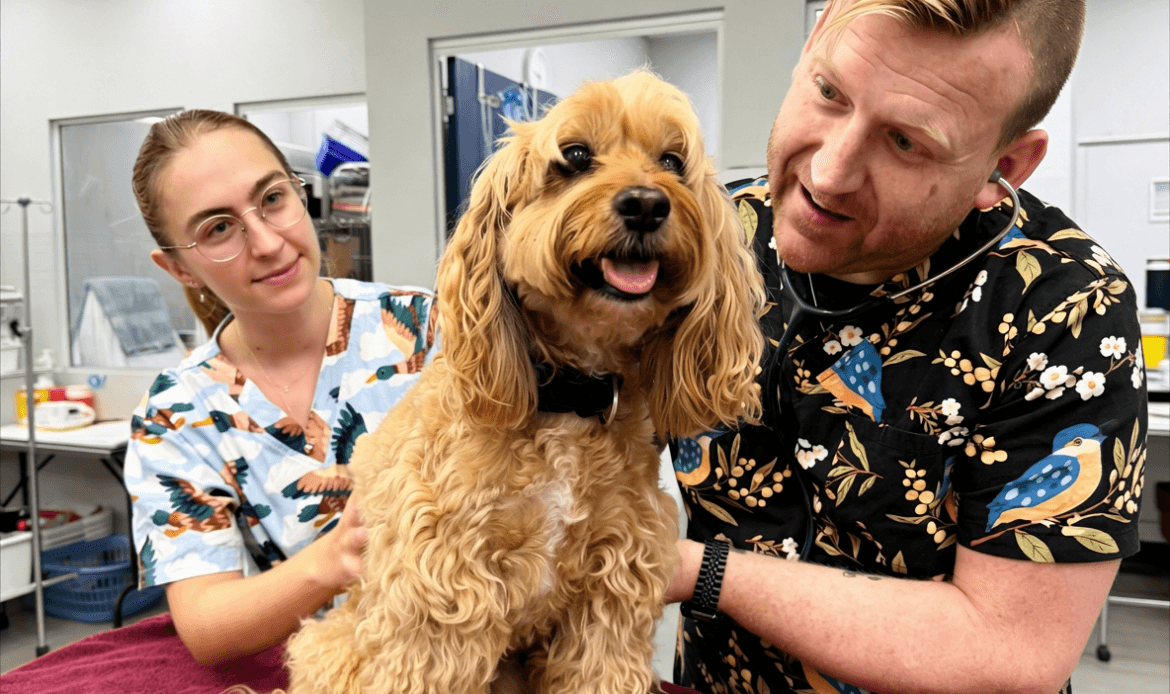
How Often Should My Pet Have A Health Check?
As pet owners, we all want our animals to live long, happy and healthy lives. One of the simplest ways to help achieve that is by scheduling regular health checks with your veterinarian.
Many illnesses develop gradually, and pets are remarkably good at hiding pain or discomfort. Routine veterinary examinations allow small problems to be identified before they become more serious, helping your pet stay healthier for longer.
Quick Answer
Most healthy adult dogs and cats should have a veterinary health check at least once a year. Puppies, kittens, senior pets and animals with ongoing medical conditions often benefit from more frequent examinations, allowing problems to be detected and treated early.
Why are regular health checks important?
Your pet can’t tell you when something doesn’t feel right.
Many common conditions, including dental disease, arthritis, kidney disease, heart disease and weight changes, develop slowly. By the time obvious signs appear at home, the condition may already be quite advanced.
Regular health checks allow your veterinarian to identify subtle changes that may otherwise go unnoticed.
Early detection often means:
- Simpler treatment
- Better long-term outcomes
- Lower treatment costs
- Improved quality of life
- Greater peace of mind for owners
Preventative care is almost always easier than treating advanced disease.
How often should puppies and kittens have health checks?
Young pets require more frequent visits during their first few months of life.
Health checks are usually performed alongside their vaccination schedule and allow your veterinarian to monitor:
- Growth and development
- Weight gain
- Teeth and jaw development
- Parasite prevention
- Nutrition
- Behaviour
- Overall health
These appointments also give owners the opportunity to ask questions about feeding, toilet training, socialisation and preventative healthcare.
How often should adult dogs and cats have health checks?
For most healthy adult pets, an annual health check is recommended.
Even if your pet appears perfectly healthy, many conditions cannot be identified without a physical examination.
During an annual consultation your veterinarian may assess:
- Eyes
- Ears
- Teeth and gums
- Heart and lungs
- Weight and body condition
- Skin and coat
- Joints and mobility
- Abdomen
- Lumps or skin changes
This also provides an opportunity to discuss nutrition, parasite prevention, vaccinations and any changes you’ve noticed at home.
Do senior pets need more frequent health checks?
Yes.
As pets age, their risk of developing medical conditions increases.
Many senior dogs and cats benefit from health checks every six months.
Older pets are more prone to conditions such as:
- Arthritis
- Dental disease
- Kidney disease
- Heart disease
- Diabetes
- Hormonal disorders
- Cognitive decline
Detecting these conditions early often allows treatment to begin before your pet becomes seriously unwell.
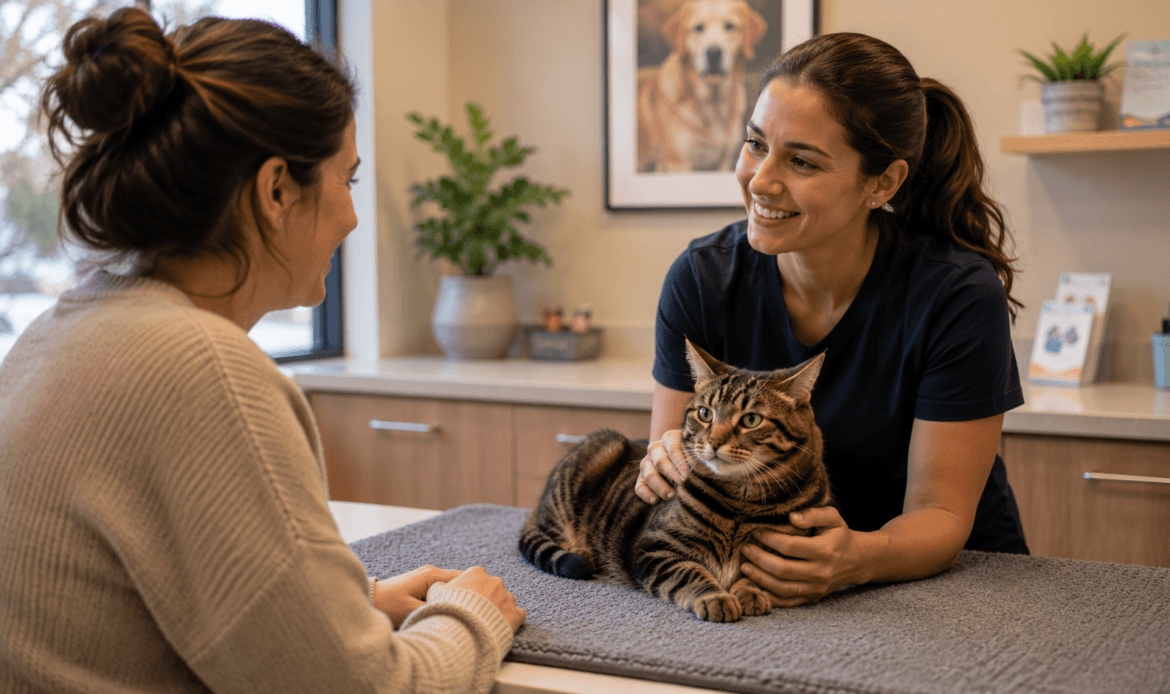
What happens during a pet health check?
Every consultation is tailored to your pet, but a routine examination commonly includes:
A full physical examination
Your veterinarian will examine your pet from nose to tail, checking for any abnormalities or signs of illness.
Weight assessment
Even small changes in weight can indicate an underlying medical issue or highlight opportunities to improve your pet’s overall health.
Dental examination
Dental disease is one of the most common health problems seen in both dogs and cats.
Checking your pet’s teeth regularly allows treatment to be recommended before disease progresses.
Discussion with you
You’re the expert on your own pet.
We’ll ask about:
- Appetite
- Drinking
- Toileting
- Behaviour
- Exercise
- Mobility
- Any concerns you’ve noticed at home
Often these conversations provide valuable clues that help identify problems early.
My pet seems healthy. Do they still need a check-up?
Absolutely.
Many pets continue eating, sleeping and behaving normally despite developing significant medical conditions.
Routine health checks allow us to identify problems before they begin affecting your pet’s quality of life.
Regular preventative care is one of the best investments you can make in your pet’s long-term wellbeing.
Supporting your pet through every stage of life
Whether you’ve recently welcomed a new puppy or kitten, have an energetic adult companion or share your home with a much-loved senior pet, regular veterinary health checks are an important part of keeping them healthy.
At Blakehurst Vet, we believe in building long-term relationships with our clients and their pets through personalised, preventative healthcare. By seeing your pet regularly, we can better understand what’s normal for them and help detect changes as early as possible.
If it’s been more than 12 months since your pet’s last health check, now is a great time to book an appointment.
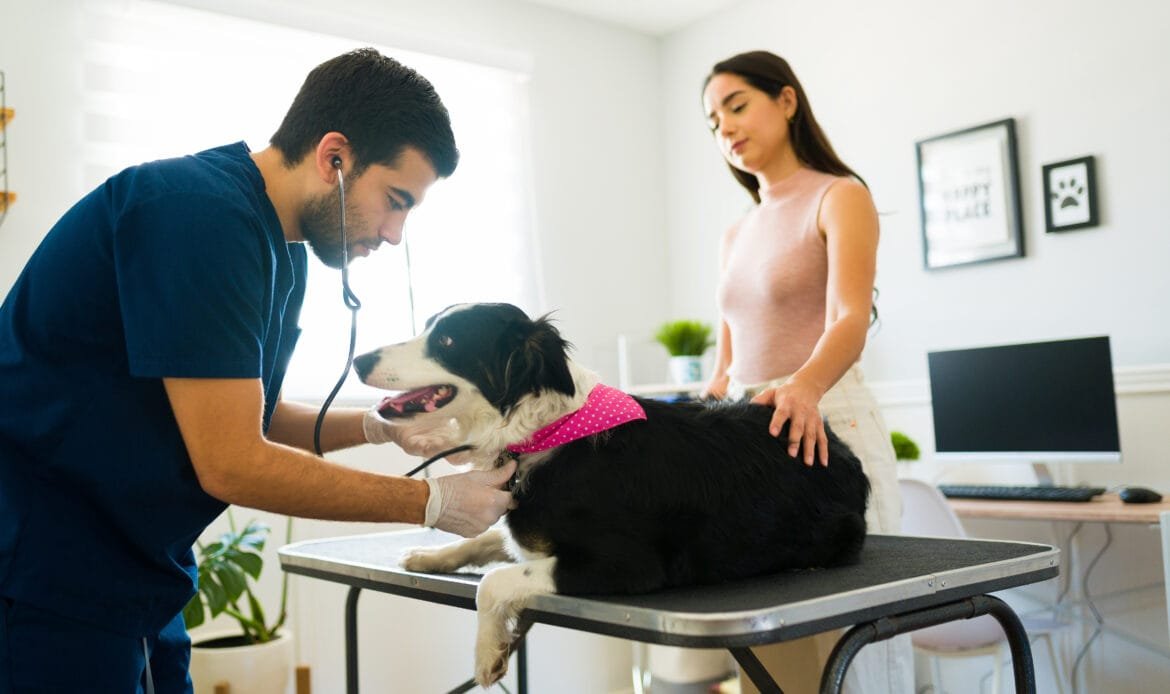
Frequently Asked Questions
How often should my dog have a health check?
Most healthy adult dogs should visit the vet for a health check at least once a year. Puppies, senior dogs and dogs with ongoing medical conditions may benefit from more frequent examinations.
How often should my cat have a health check?
Healthy adult cats should generally have an annual health check. Older cats are often recommended to have check-ups every six months as they age more quickly than people realise.
What happens during a pet health check?
A health check includes a full physical examination, weight assessment, dental examination and discussion about your pet’s health, behaviour, diet and lifestyle.
Why are regular veterinary health checks important?
Routine health checks help identify medical conditions before they become more serious, allowing earlier treatment and improving long-term health outcomes.
Does my senior pet need to visit the vet more often?
Yes. Senior pets commonly benefit from health checks every six months as they are at greater risk of developing age-related illnesses.