

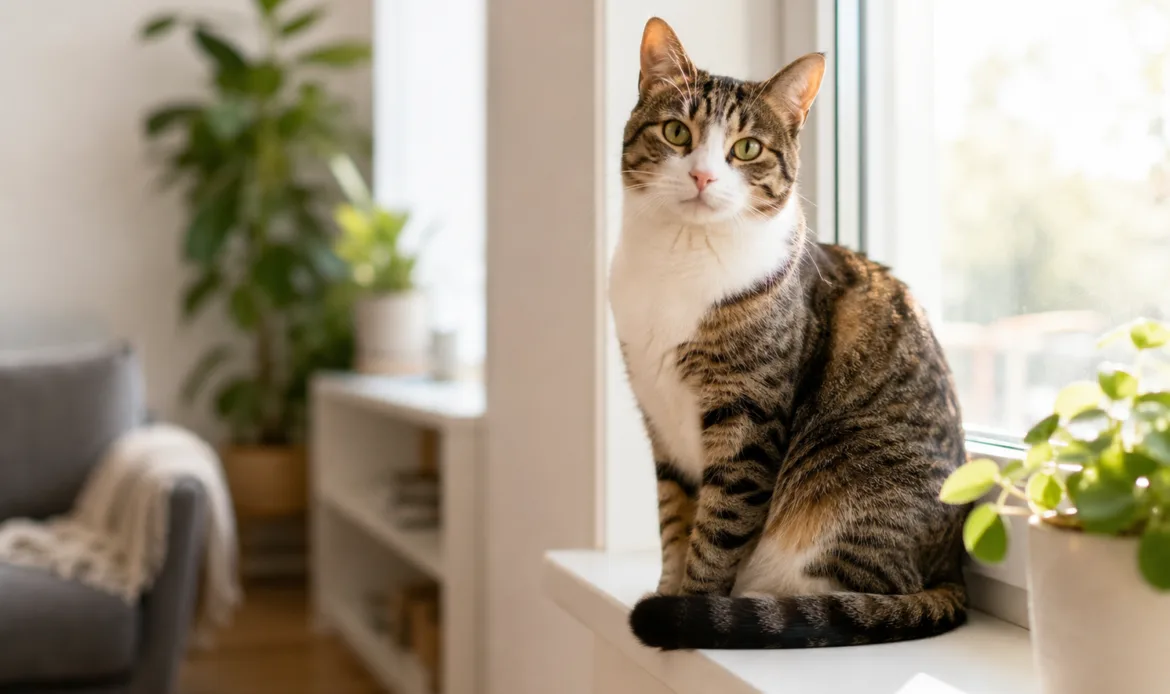
Does My Indoor Cat Still Need Flea, Tick and Worming Protection?
If your cat lives entirely indoors, you may be wondering: do indoor cats need flea treatment, tick prevention or regular worming?
Indoor cats generally have a lower risk of picking up parasites than cats that roam outside, but lower risk does not mean no risk. Even cats that rarely or never leave the house can still be exposed to certain parasites, and the right level of protection depends on your cat’s lifestyle, your household and where you live.
At Blakehurst Vet, we prefer to look at each cat individually rather than assume every indoor cat needs exactly the same parasite prevention routine.
Quick Answer
Yes, most indoor cats still need some form of parasite protection.
Fleas can affect indoor cats, intestinal worms remain possible, and tick protection may also be recommended depending on where your cat lives and whether they have any outdoor access.
If you are not sure what your cat currently needs, or what their existing treatment actually covers, bring the product or a photo of the packaging to your next visit and we can check it for you.
Can Indoor Cats Still Get Fleas?
Yes.
Being indoors reduces exposure, but it does not make a cat completely protected from fleas. This is particularly relevant in households with dogs or other pets that regularly spend time outside.
Flea prevention also matters because fleas are involved in the lifecycle of Dipylidium, commonly known as flea tapeworm. Cats can become infected by swallowing an infected flea while grooming.
We regularly find that owners know they are giving their cat “a parasite treatment” but are not quite sure whether it covers fleas, worms, ticks or a combination of these. There are many different products available, so it is worth checking rather than assuming.
What About Ticks?
For a completely indoor cat, tick exposure is generally lower than for a cat that spends time outdoors.
However, location matters.
The Australian paralysis tick is found along the eastern coast of Australia, including NSW, and its toxin can cause serious and potentially fatal illness in pets.
Cats that spend time in gardens, courtyards, balconies or other outdoor areas will have a different risk from cats that are permanently indoors.
For cats living around Blakehurst, Hurstville, Sylvania and the wider St George and Sutherland Shire areas, we recommend discussing your cat’s individual tick risk with us rather than assuming that being mostly indoors means protection is unnecessary.

Do Indoor Cats Still Need Worming?
This depends on the type of worm and your cat’s individual exposure.
A cat that stays indoors, does not hunt and lives in a low-risk household may have a very different parasite risk from a cat that catches insects or rodents, occasionally ventures outside or shares the home with other pets.
Fleas are another consideration because swallowing an infected flea can transmit flea tapeworm.
This is why we prefer to look at the individual cat rather than recommending the same worming programme for every household.
If your cat has vomiting, diarrhoea, weight loss or another gastrointestinal problem, parasites are also one of a number of possible causes. Rather than simply giving another worming treatment and hoping for the best, book an appointment so we can work out what may actually be causing the problem.
You can also read our article on why cats vomit for more information.
Does an Indoor Lifestyle Mean I Can Stop Parasite Prevention?
Not necessarily.
A better question is: what parasites is my cat realistically exposed to?
When we assess parasite prevention at Blakehurst Vet, some of the things we consider include:
- Whether your cat is completely indoors
- Access to balconies, courtyards or gardens
- Whether there are dogs or other pets in the household
- Hunting or insect-catching behaviour
- Your local tick risk
- Your cat’s age and health
- What parasites your existing product actually covers
Your cat’s needs can also change over time. A kitten, a young cat occasionally escaping into the garden and an older cat that spends almost all of its time indoors may not necessarily need the same approach.
Parasite prevention is something we can easily review during your cat’s routine health check.
Not Sure What Your Cat’s Current Treatment Covers?
You are definitely not alone.
With so many flea, tick and worming products available, it can become surprisingly difficult to remember which product covers what and how often it needs to be given.
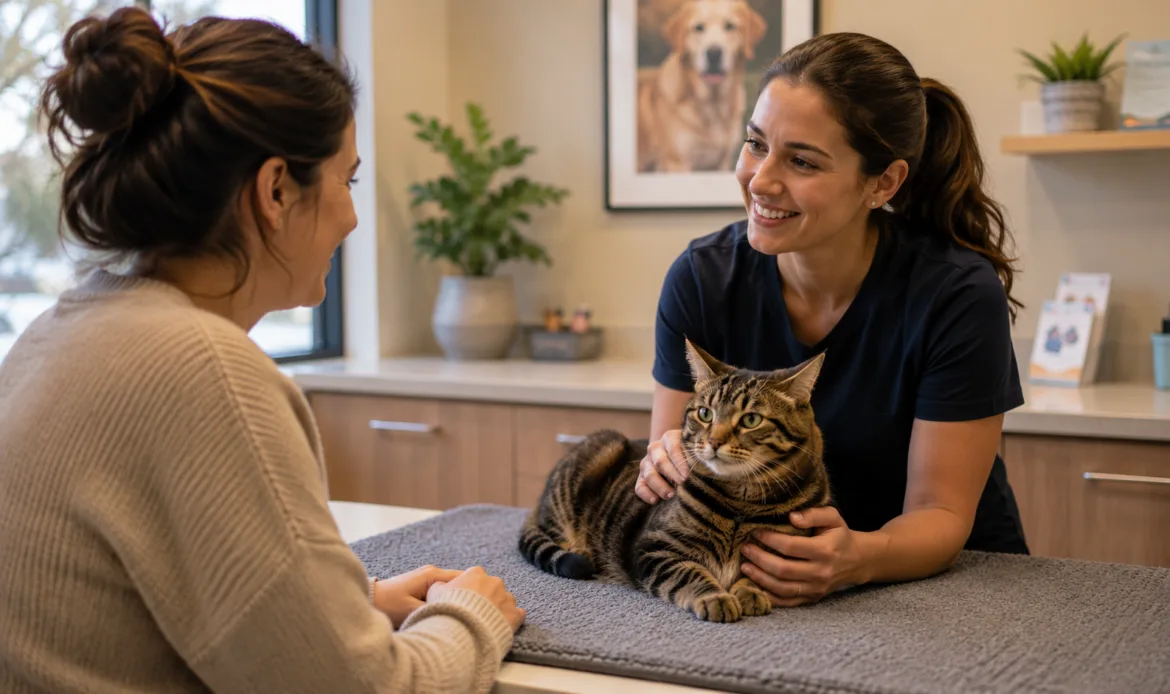
If you are unsure, bring the packet, box or even a photo of the product to Blakehurst Vet. We can check what your cat is currently receiving, make sure there are no obvious gaps and help you choose a parasite prevention routine that suits your cat’s actual lifestyle.
It is also a good opportunity to review the rest of your cat’s preventative healthcare, particularly if they have not had a health check recently.
For advice about flea, tick or worming protection for your indoor cat, book an appointment with Blakehurst Vet or call us on (02) 9547 2750.
Frequently Asked Questions
Can a completely indoor cat get fleas?
Yes. Indoor living lowers the risk but does not completely eliminate it, particularly when other pets in the household spend time outdoors.
Does my indoor cat need tick prevention?
It depends on your cat’s lifestyle and location. Cats with any outdoor access are likely to have greater exposure. Because paralysis ticks occur along the NSW coast, speak to us about whether tick protection is appropriate for your cat.
How often should I worm my indoor cat?
There is no single schedule that is appropriate for every indoor cat. The frequency and type of treatment should take into account your cat’s age, lifestyle, parasite exposure and the product being used. If you are unsure, we can review your current parasite prevention at your next appointment.
Can fleas give my cat worms?
Yes. Cats can develop flea tapeworm after swallowing an infected flea, usually while grooming.
Should I use the same parasite treatment as my other pets?
Not automatically. Products vary in what parasites they cover, how often they are given and which animals they are suitable for. Ask us which product is appropriate for each individual pet.