

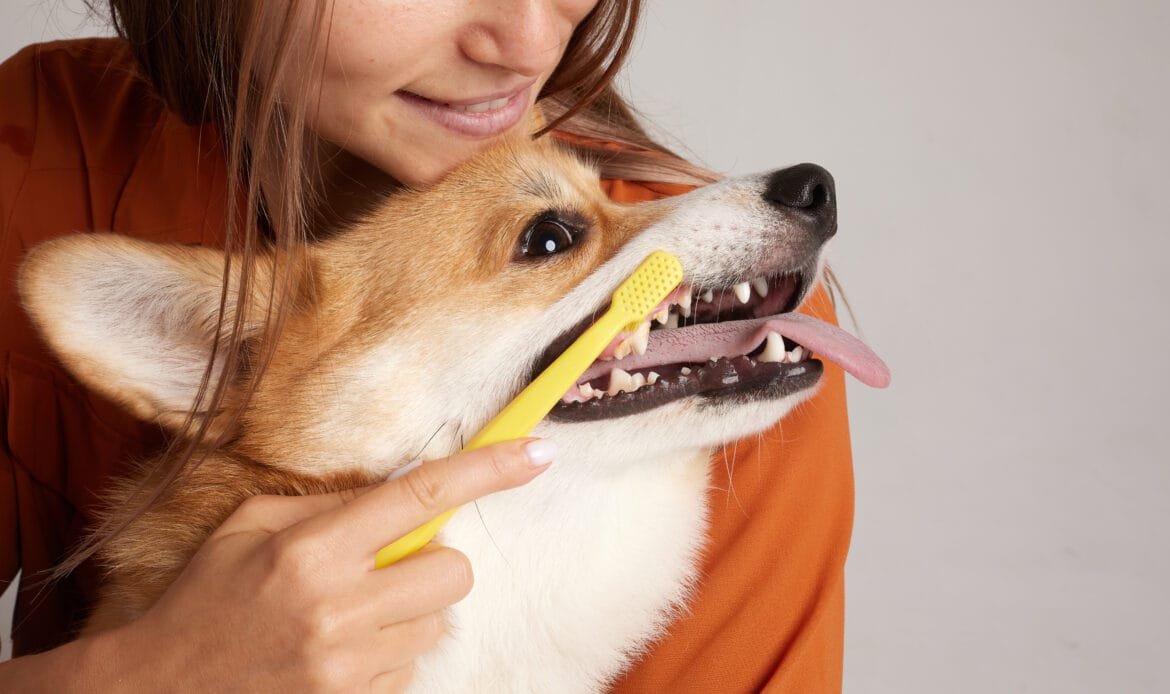
Pet Dental Care: Simple Steps for a Healthier Mouth
Dental disease is common in dogs and cats, and it often develops gradually. Bad breath, red gums or a build-up of tartar may be the first things you notice, but dental problems can also cause pain below the gumline where they are harder to see.
Regular dental checks, appropriate home care and professional treatment when needed can help keep your pet’s mouth comfortable and reduce the risk of dental disease becoming more advanced.
At Blakehurst Vet, we assess your pet’s teeth and gums during routine health checks and can advise when further dental care is needed.
Quick answer: how can I look after my pet’s teeth?
The most useful steps are:
- Check your pet’s mouth regularly
- Brush their teeth with pet-safe toothpaste if they tolerate it
- Use dental products recommended by your vet
- Have their teeth and gums checked during regular veterinary visits
- Book a dental assessment if you notice bad breath, red gums, broken teeth or difficulty eating
- Arrange professional dental treatment when recommended
Home dental care can help reduce plaque, but it cannot remove established tartar or treat disease below the gumline.
What are the signs of dental disease in pets?
Dental problems are not always obvious.
Signs can include:
- Bad breath
- Red, swollen or bleeding gums
- Yellow or brown tartar on the teeth
- Drooling
- Pawing at the mouth
- Dropping food
- Chewing on one side
- Reluctance to eat hard food
- Broken or loose teeth
- Swelling around the face or jaw
Some dogs and cats continue eating even when their mouth is painful, so normal appetite does not necessarily mean their teeth are healthy.
Is bad breath normal in dogs and cats?
Persistent bad breath is not something we consider normal.
It is often associated with plaque, tartar and gum disease, although other medical problems can occasionally contribute.
If your pet’s breath has become noticeably unpleasant, particularly if you can also see red gums or tartar, it is worth having their mouth checked.
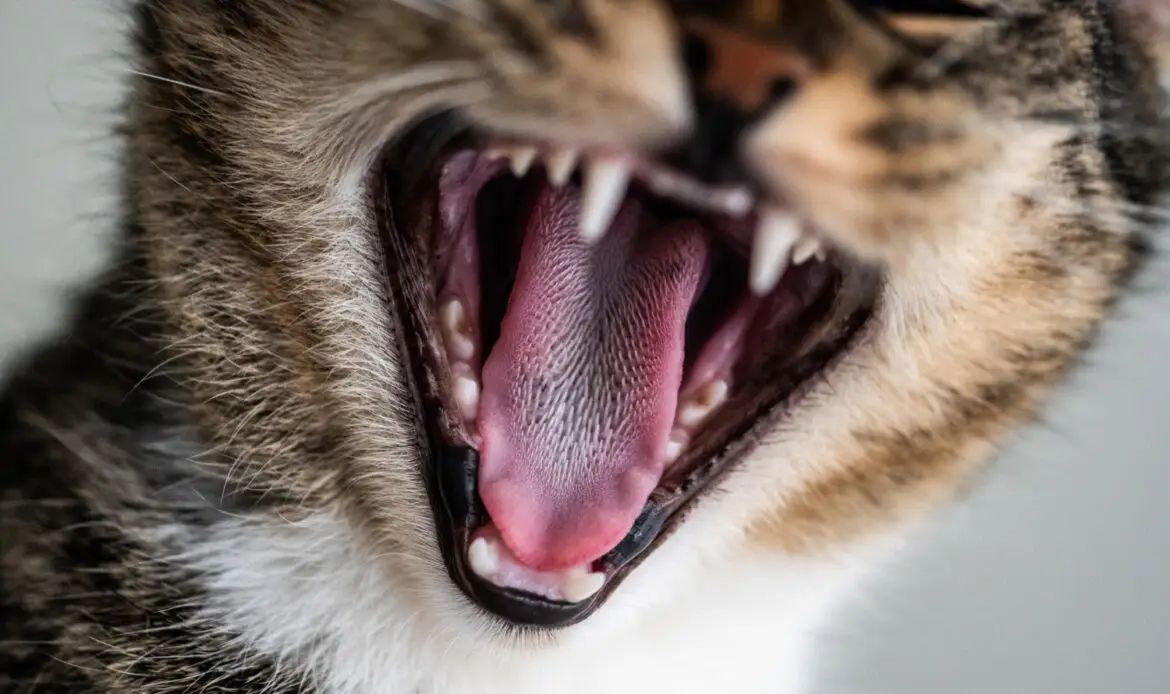
Why dental disease can be easy to miss
A large part of each tooth lies below the gumline, which means not every dental problem can be seen by simply looking in your pet’s mouth.
A conscious dental examination can give us useful information about the visible teeth and gums, but it cannot show everything happening below the surface.
That is why dental X-rays can be important during a professional dental procedure. They allow the vet to assess the tooth roots and surrounding bone and can reveal problems that are not visible above the gumline.
What happens during a professional dental clean?
A proper veterinary dental procedure is more than simply removing visible tartar.
Depending on your pet’s needs, it may involve:
- A full examination of the mouth
- Dental X-rays
- Scaling above and below the gumline
- Polishing the teeth
- Checking around each tooth for signs of periodontal disease
- Treating or extracting diseased teeth where necessary
- Appropriate pain relief
Dental procedures require general anaesthesia so the teeth can be examined and treated properly and safely.
Blakehurst Vet provides professional dental care for dogs and cats, including dental X-rays where required.
Why are dental X-rays important?
Dental X-rays allow us to see the parts of the tooth that cannot be assessed from the surface.
They can show changes involving the tooth roots, surrounding bone and other structures below the gumline.
This is particularly important because a tooth can look relatively normal above the gum while still having significant disease underneath.
We will determine which X-rays and treatment are appropriate based on your pet’s dental examination.
Does my pet need anaesthesia for a dental clean?
Yes. A proper veterinary dental procedure requires general anaesthesia.
Anaesthesia allows our team to safely examine the whole mouth, clean below the gumline, take dental X-rays and treat painful or diseased teeth without causing distress or injury.
Anaesthesia-free scaling only removes material from the visible surface of the teeth and does not allow proper examination or treatment below the gumline. We do not recommend anaesthesia-free scaling as a substitute for a proper veterinary dental procedure.
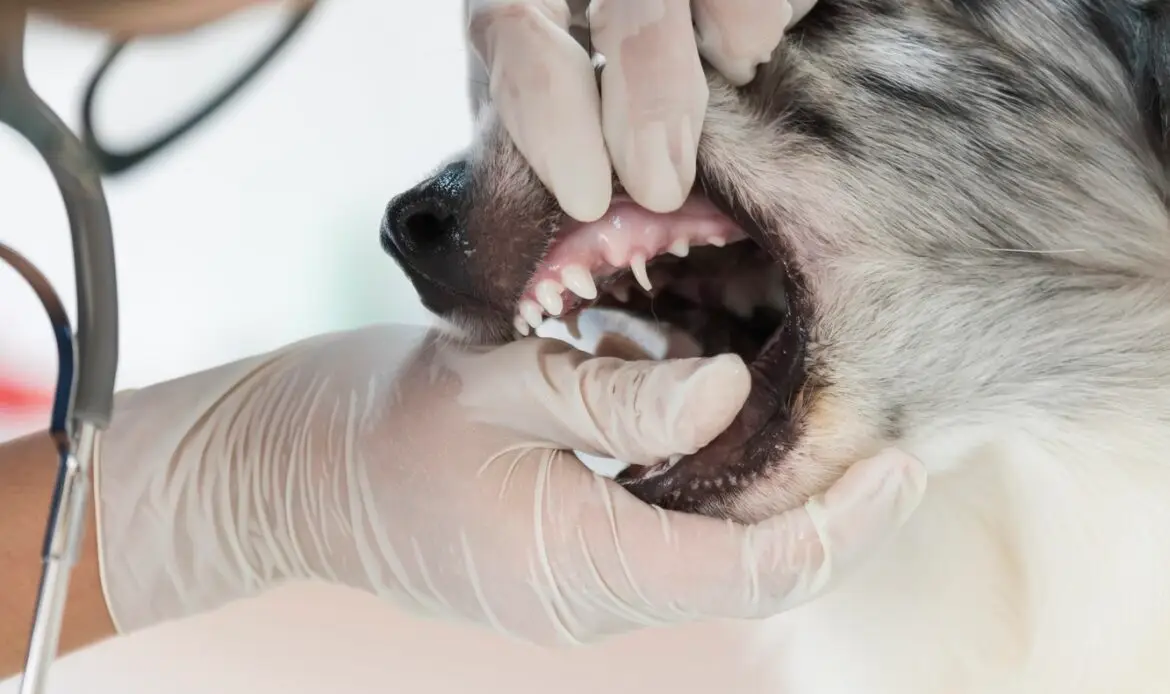
Brushing your pet’s teeth at home
Regular tooth brushing is one of the best ways to reduce plaque build-up between veterinary dental visits.
Ideally, teeth should be brushed daily once your pet is comfortable with the process. Use a toothbrush suitable for your pet and toothpaste specifically designed for dogs or cats.
Do not use human toothpaste, as some ingredients are unsuitable for pets.
Introduce brushing gradually. Start by getting your pet used to having their lips and mouth handled before progressing to a toothbrush.
If their gums are already painful or inflamed, speak to your vet before starting brushing.
What about dental chews and dental diets?
Some dental diets, chews and other oral-care products can help reduce plaque or tartar as part of a broader dental-care routine.
They are not all equally effective, though, and a product that is useful for one pet may not suit another.
Ask your vet which products are appropriate for your pet, particularly if they have existing dental disease, damaged teeth or dietary restrictions.
Dental chews and diets are an addition to regular dental assessment, not a replacement for it.
Can I remove tartar by brushing?
No.
Brushing is useful for removing soft plaque before it hardens, but it will not remove established tartar.
Once significant tartar and dental disease are present, your pet may need a professional scale and polish under anaesthesia.
This is why starting home dental care early is much easier than trying to reverse established disease later.
How often should my pet have their teeth checked?
Your pet’s mouth should be assessed as part of their regular veterinary health checks.
Some pets develop dental disease faster than others. Small dogs, pets with crowded teeth and older animals may need closer monitoring.
At Blakehurst Vet, we also offer free nurse dental checks throughout the year if you are unsure whether your pet may need further dental treatment.
What if my pet needs a tooth removed?
Sometimes a tooth is too damaged or diseased to remain comfortably in the mouth.
Extraction may be recommended for teeth that are severely affected by periodontal disease, fractured, infected or otherwise painful.
Although owners can understandably worry about their pet losing a tooth, dogs and cats generally cope very well once a painful or diseased tooth has been treated.
Your vet will discuss any recommended extractions and pain management with you.
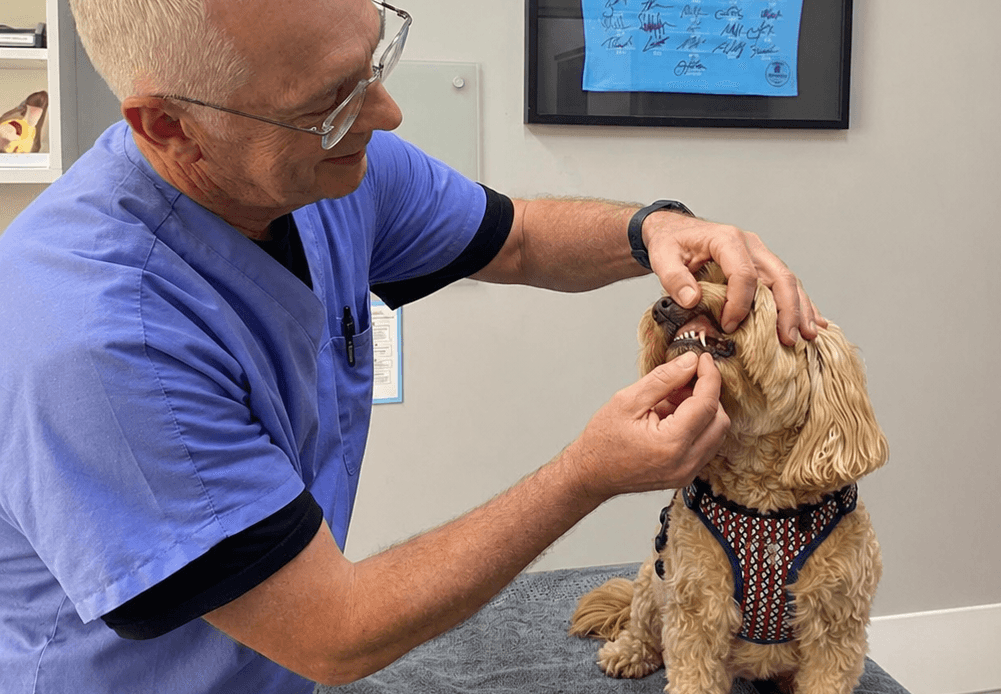
Frequently asked questions
How often should I brush my dog or cat’s teeth?
Daily brushing gives the best plaque control. If daily brushing is not realistic, regular brushing is still worthwhile, but speak to your vet about other dental-care options that may help.
Can dental chews replace tooth brushing?
No. Some dental chews can help reduce plaque or tartar, but they do not clean every tooth effectively and they cannot treat existing dental disease.
My pet is eating normally. Could they still have dental pain?
Yes. Dogs and cats can continue eating despite painful dental disease. Bad breath, red gums, tartar, broken teeth or changes in chewing are all reasons to have their mouth assessed.
Why does my pet need dental X-rays?
A large portion of each tooth is below the gumline. Dental X-rays can identify disease involving roots and surrounding bone that cannot be seen during a visual examination alone.
Are dental problems more common in older pets?
Dental disease becomes more common as pets age, although it can occur much earlier. Regular dental assessment throughout life helps identify problems before they become severe.
Pet dental care at Blakehurst Vet
Dental disease can be easy to overlook, but it can cause significant discomfort if it is left untreated.
Blakehurst Vet provides dental assessments, professional scaling and polishing, dental X-rays and tooth extractions when required.
If you have noticed bad breath, tartar, red gums or changes in the way your pet eats, book a dental check or arrange a free nurse dental assessment.
Learn more about dental care at Blakehurst Vet or call (02) 9547 2750.