

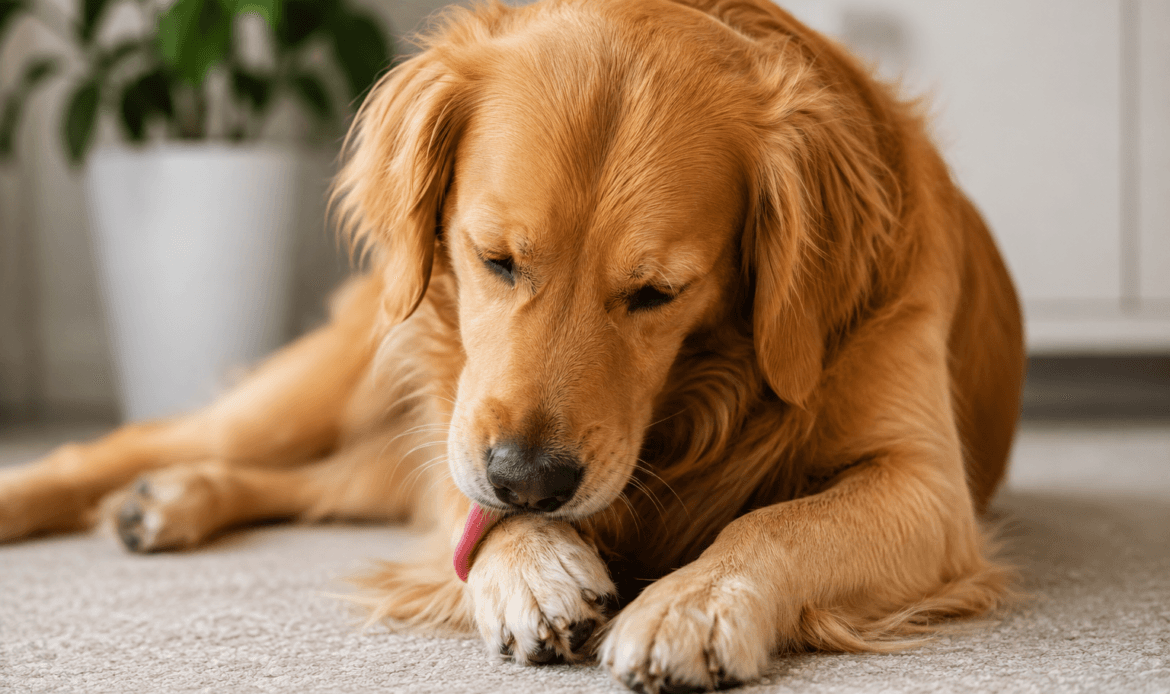
Why Is My Dog Licking Its Paws? Common Causes Explained
If you’ve noticed your dog constantly licking its paws, you’re not alone. Paw licking is one of the most common concerns we hear from dog owners at Blakehurst Vet.
Occasional licking is perfectly normal. Dogs often groom themselves by licking their paws. However, excessive licking can be a sign that something is causing discomfort, irritation or pain.
Quick Answer
Dogs commonly lick their paws because of:
- Skin infections
- Grass seeds or foreign objects
- Fleas and parasites
- Pain or arthritis
- Anxiety or boredom
If the licking is frequent, causing redness, or disturbing your dog’s normal activities, it’s worth having it checked by a veterinarian.
Allergies Are One of the Most Common Causes
Environmental allergies are one of the most frequent reasons dogs lick their paws.
Common allergy triggers include:
- Grass pollen
- Dust mites
- Mould spores
- Weeds
- Household allergens
When dogs have allergies, the skin between their toes often becomes itchy and inflamed. This creates a cycle where licking causes more irritation, leading to even more licking.
Signs of allergies may include:
- Red paws
- Brown staining from saliva
- Ear infections
- Scratching
- Rubbing their face
If you’re wondering why your dog is licking its paws every day, allergies are one of the most common explanations we diagnose at Blakehurst Vet.
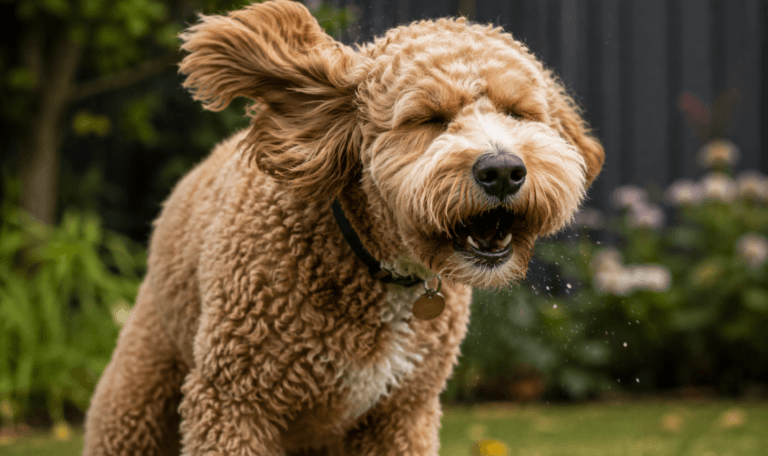
Skin Infections
Constant licking can damage the skin and allow bacteria or yeast to grow.
Signs of infection include:
- A strong odour
- Redness
- Swelling
- Discharge
- Thickened skin
Skin infections usually require veterinary treatment and can become quite uncomfortable if left untreated.
Grass Seeds and Foreign Objects
Particularly during warmer months, grass seeds can become lodged between your dog’s toes.
Foreign objects such as:
- Grass seeds
- Splinters
- Burrs
- Small stones
can cause sudden paw licking and discomfort.
If your dog suddenly starts focusing on one paw, a foreign body should be considered.
Fleas and Parasites
Even a small number of fleas can cause significant irritation in sensitive dogs.
Regular flea prevention is one of the easiest ways to reduce itchiness and prevent skin problems.
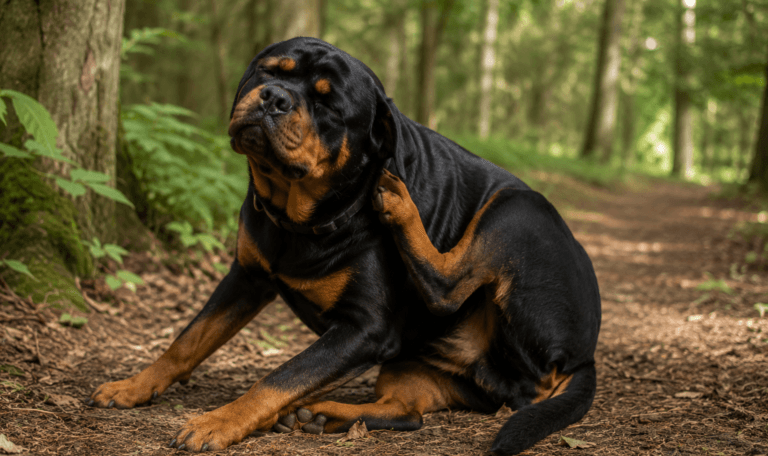
Pain and Arthritis
Dogs don’t always show pain by limping.
Sometimes they repeatedly lick an area that feels sore.
Arthritis, joint pain and injuries can all result in excessive licking, particularly in older dogs.
Some owners ask why their dog is licking its paws even though the skin looks normal. In some cases, pain rather than itchiness is responsible.
When Should You See a Vet?
- Paw licking continues for more than a few days.
- The skin appears red or swollen.
- Your dog is losing hair around the paws.
- There is an unpleasant smell.
- Your dog seems uncomfortable.
Early treatment can prevent minor irritation from becoming a more significant problem.
How We Can Help
At Blakehurst Vet, we regularly investigate excessive paw licking.
Depending on the cause, treatment may include:
- Cytopoint injections
- Flea prevention
- Infection treatment
- Dietary advice
- Pain management
Our goal is to identify the underlying cause rather than simply treating the symptoms.
If you’re still wondering why your dog is licking its paws, our veterinary team can help identify the underlying cause and recommend the most appropriate treatment.
Frequently Asked Questions
Why is my dog licking its paws at night?
Dogs are often less distracted at night and may focus more on itchy or irritated skin. Allergies and skin infections are common causes.
Can anxiety cause paw licking?
Yes. Some dogs develop repetitive licking behaviours when stressed, anxious or bored.
Are allergies the most common cause of paw licking?
In many dogs, yes. Environmental allergies are one of the most common reasons for chronic paw licking.
Should I stop my dog licking its paws?
Occasional licking is normal. Excessive licking should be investigated because it often indicates an underlying problem.
When should I be worried about paw licking?
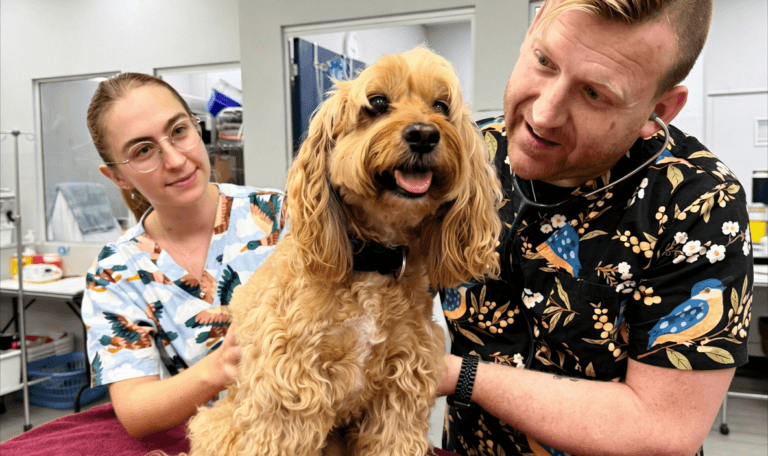
If the licking is persistent, causing redness, hair loss, swelling or discomfort, it’s time to book a veterinary examination.