

Why Is My Cat Vomiting?
Finding a puddle of vomit on the floor is something most cat owners experience at some point. But why is my cat vomiting, and when should you be concerned?
The truth is that vomiting in cats can happen for many different reasons. Sometimes it’s something relatively minor, such as eating too quickly or bringing up a hairball. In other cases, vomiting can be a sign of an underlying illness that requires veterinary attention.
If your cat is vomiting repeatedly, appears unwell or is showing any other unusual symptoms, it’s always safest to have them examined by a veterinarian.
Quick Answer
Cats commonly vomit because of:
- Hairballs
- Eating too quickly
- Dietary changes
- Eating something they shouldn’t
- Parasites
- Infections
- Kidney disease
- Hyperthyroidism
- Gastrointestinal disease
Occasional vomiting may not be serious, but frequent or persistent vomiting should always be investigated.
Hairballs
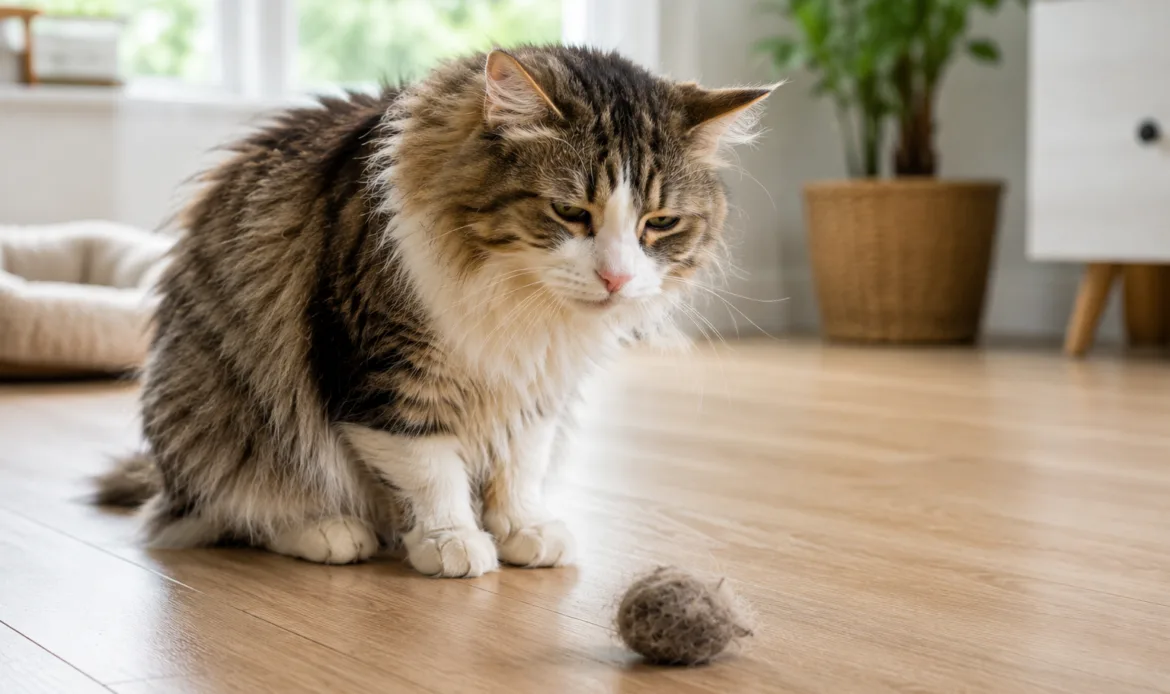
Hairballs are one of the best-known causes of vomiting in cats.
As cats groom themselves, they swallow loose hair. Most of this hair passes through the digestive system, but occasionally it forms a hairball that is vomited back up.
While an occasional hairball can be normal, frequent hairballs may indicate an underlying issue or excessive grooming.
Eating Too Quickly
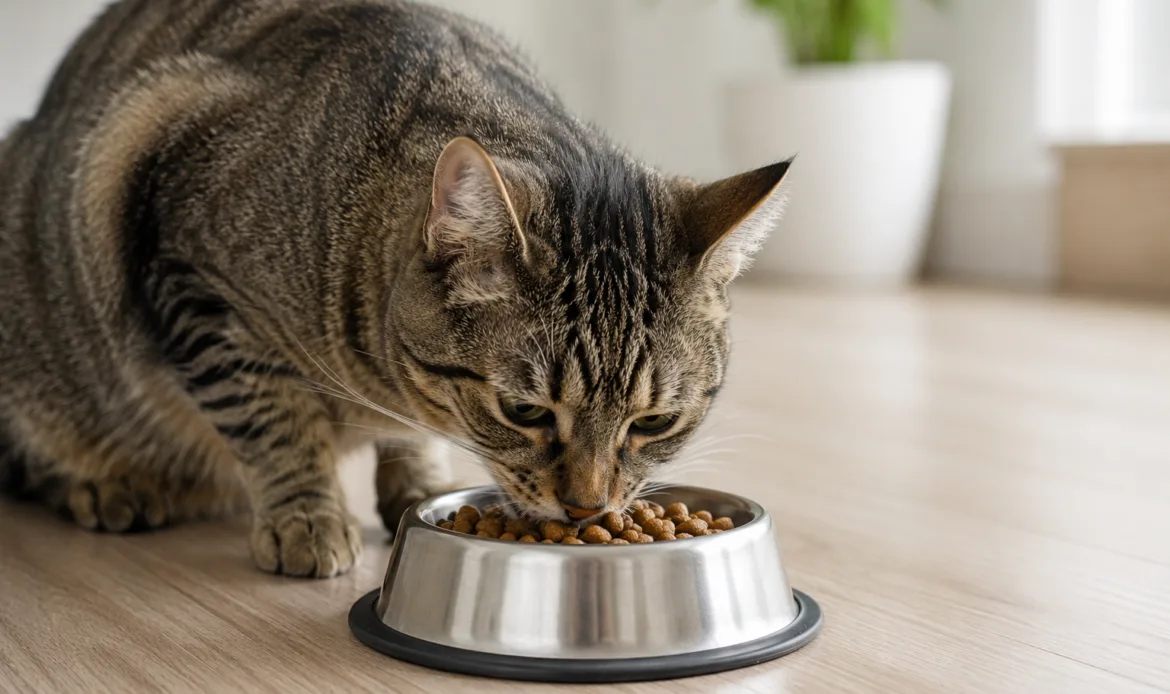
Some cats become so enthusiastic at mealtimes that they eat too fast.
When this happens, food may be regurgitated shortly after eating before it has had a chance to digest properly.
If your cat is vomiting soon after meals, eating too quickly could be the cause.
Using puzzle feeders or offering smaller, more frequent meals may help.
Dietary Upset
Cats can have sensitive stomachs.
Changing food suddenly or eating something unusual can upset the digestive system and result in vomiting.
Whenever possible, new foods should be introduced gradually over several days.
Parasites
Intestinal worms can occasionally cause vomiting, particularly in kittens or cats that aren’t receiving regular parasite prevention.
Keeping up to date with parasite control is an important part of maintaining your cat’s health.
Medical Conditions
If you’ve been asking yourself why is my cat vomiting and it keeps happening, an underlying medical condition may be responsible.
Some conditions that can cause vomiting include:
- Kidney disease
- Hyperthyroidism
- Pancreatitis
- Liver disease
- Inflammatory bowel disease
- Gastrointestinal foreign bodies
These conditions require veterinary assessment and often additional testing to reach a diagnosis.
When Should I Be Concerned?
You should arrange a veterinary appointment if your cat:
- Vomits repeatedly
- Stops eating
- Seems lethargic
- Has diarrhoea
- Is losing weight
- Has blood in the vomit
- Is vomiting every day
Kittens, elderly cats and cats with existing medical conditions should always be assessed promptly if they’re vomiting.
How We Diagnose Vomiting
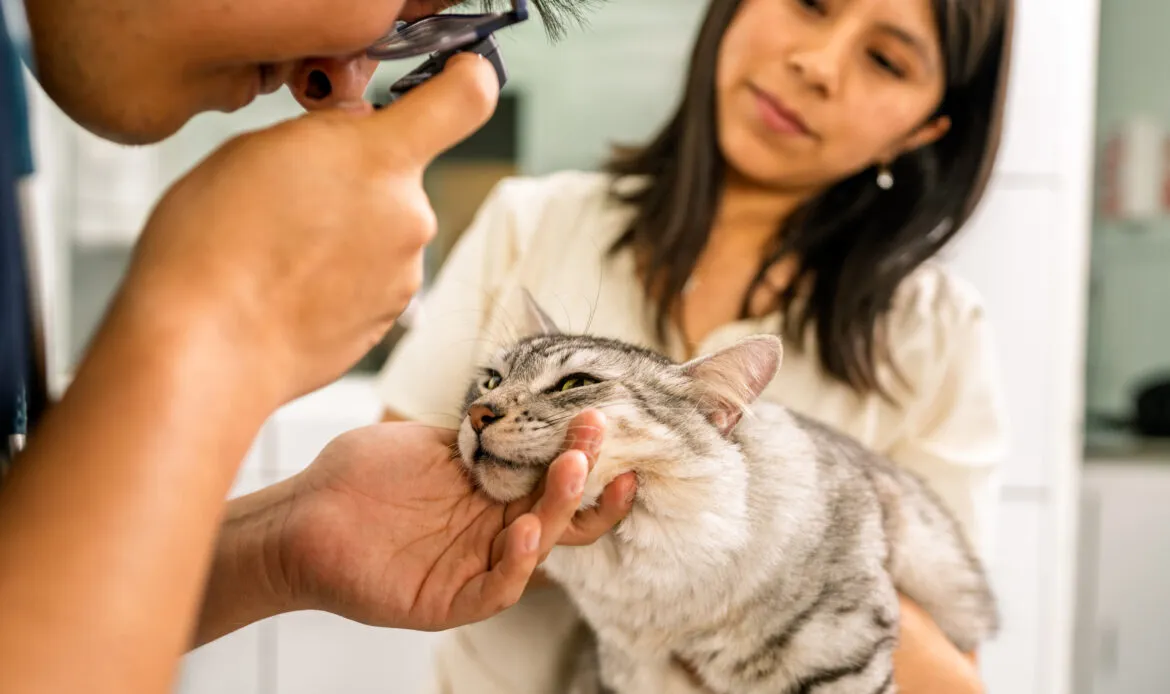
Because there are many possible causes, diagnosing vomiting often involves a combination of:
- A physical examination
- Medical history
- Blood tests
- Urine testing
- X-rays or ultrasound if required
The aim is to identify the underlying cause so the most appropriate treatment can begin.
How Is Vomiting Treated?
Treatment depends entirely on what’s causing the vomiting.
Depending on the diagnosis, treatment may include:
- Fluid therapy
- Anti-nausea medication
- Dietary changes
- Parasite treatment
- Surgery (if a foreign body is present)
- Ongoing management of chronic disease
Rather than simply stopping the vomiting, the goal is to treat the underlying problem.
Frequently Asked Questions
Why is my cat vomiting but acting normal?
An occasional episode of vomiting in an otherwise bright, happy cat may not be an emergency. However, repeated vomiting should always be investigated.
Why is my cat vomiting after eating?
Eating too quickly, food intolerance or regurgitation are common possibilities, but other medical conditions can also be responsible.
Is it normal for cats to vomit hairballs?
Occasional hairballs can be normal, but frequent hairballs may indicate excessive grooming or another underlying issue.
When should I take my cat to the vet for vomiting?
If your cat is vomiting repeatedly, appears unwell, stops eating or has blood in the vomit, they should be seen by a veterinarian as soon as possible.
Can kidney disease cause vomiting in cats?
Yes. Kidney disease is one of several medical conditions that can cause vomiting, particularly in older cats.
Worried About Your Cat Vomiting?
If you’re wondering why your cat is vomiting, our team at Blakehurst Vet is here to help.
We’ll perform a thorough examination, discuss your cat’s symptoms and recommend any tests or treatment needed to identify the cause. Early diagnosis often leads to better outcomes, particularly when vomiting is linked to an underlying illness.