

Pet Cancer Care in Blakehurst: Signs, Diagnosis and Treatment Options
Finding an unusual lump or being told that your pet may have cancer is frightening. It can also leave you with many questions about testing, treatment, quality of life and whether your pet will need to travel to a specialist hospital.
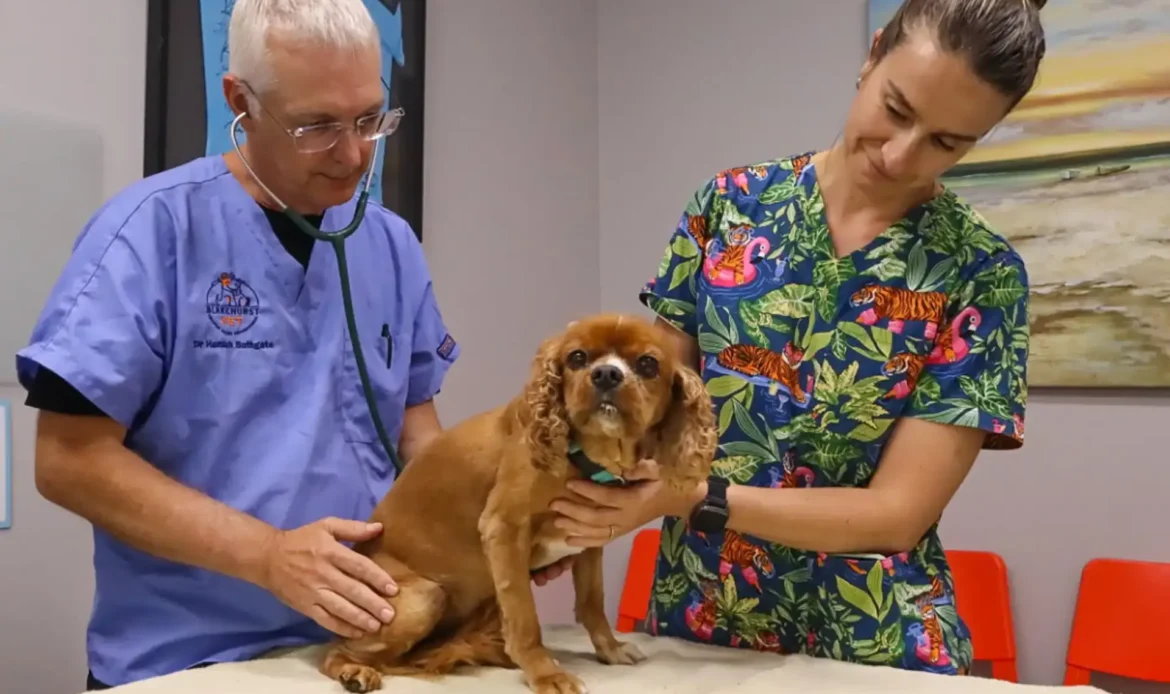
At Blakehurst Vet, pet cancer care is tailored to the individual animal. Our team can investigate concerning symptoms, perform many diagnostic tests on site and discuss the treatment or support most appropriate for your pet. For suitable patients, Dr Hamish Bathgate also provides individualised chemotherapy at our Blakehurst clinic.
Quick Answer: What Does Pet Cancer Care Involve?
Pet cancer care may include examining and testing a suspicious lump, identifying the type and extent of the disease and discussing options such as surgery, chemotherapy, symptom management or palliative care.
The right approach depends on the type of cancer, where it is located, whether it has spread and your pet’s general health. Maintaining comfort and quality of life should remain central to every treatment decision.
What Are the Possible Signs of Cancer in Dogs and Cats?
Cancer can affect many different parts of the body, so there is no single symptom that confirms a pet has cancer. Many of the signs below can also be caused by less serious conditions.
Possible warning signs include:
- A new lump or swelling
- A lump that is growing or changing
- A sore that does not heal
- Unexplained weight loss
- Reduced appetite
- Unusual bleeding or discharge
- Difficulty eating or swallowing
- Persistent limping or stiffness
- Reduced energy or willingness to exercise
- Difficulty breathing, urinating or passing stools
These symptoms do not necessarily mean your pet has cancer, but persistent or unexplained changes should be assessed by a veterinarian.
Blakehurst Vet usually has same-day veterinary appointments available when a pet becomes suddenly unwell or develops a concerning symptom.
Does Every Lump Mean Cancer?
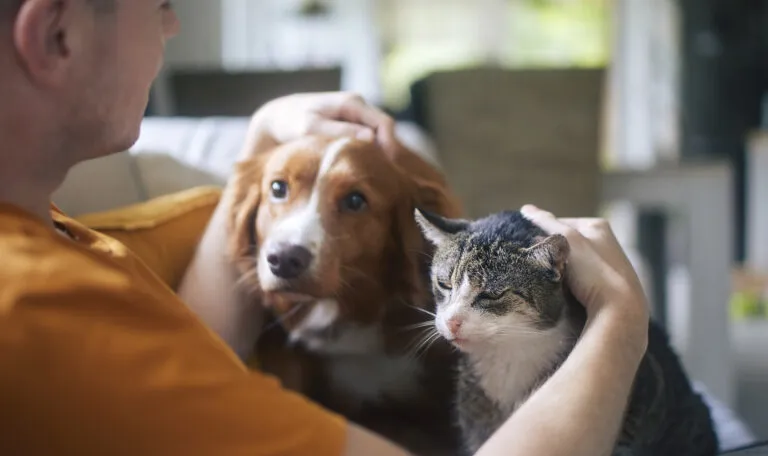
No. Pets can develop many different types of lumps, and some are harmless. However, it is not always possible to identify a lump simply by looking at or feeling it.
Skin tumours can appear as conventional lumps and bumps, but they may also look like discoloured areas, hairless patches or sores that are not healing. A veterinary examination is the safest way to decide whether further investigation is needed.
It is worth arranging an appointment if a lump:
- Has appeared recently
- Is becoming larger
- Changes shape, texture or colour
- Bleeds or becomes ulcerated
- Appears painful or itchy
- Interferes with your pet’s movement, eating or toileting
New lumps can also be identified during regular pet health checks, particularly in older dogs and cats.
How Does Blakehurst Vet Investigate Suspected Cancer?
Cancer cannot usually be diagnosed from symptoms alone. The first step is a thorough consultation that considers your pet’s medical history, the changes you have noticed and the findings from their physical examination.
Depending on the suspected problem, further investigation may include:
- Blood or urine testing
- Sampling cells from a lump
- Biopsy and pathology
- X-rays
- Ultrasound
- Additional tests to assess general health or determine whether disease has spread
Our veterinary hospital in Blakehurst has on-site pathology, an in-house laboratory, X-ray and ultrasound facilities. This means many initial investigations can be performed in one familiar location, allowing the team to reach answers and begin appropriate care without unnecessary delays.
Some samples may still need to be sent to an external pathology laboratory, and advanced imaging or specialist assessment may be recommended when required.
What Treatment Options Are Available for Pets With Cancer?
Pet cancer treatment is not one standard plan. The recommendations will depend on the particular cancer and what treatment is likely to offer your pet a meaningful benefit.
Options may include:
- Surgery to remove a localised tumour
- Chemotherapy
- Medication to control pain or other symptoms
- Nutritional and supportive care
- Palliative care focused on comfort
- Referral for specialist oncology, advanced imaging or radiation therapy
Sometimes the aim is to place the disease into remission or reduce the risk of it spreading. In other cases, treatment may be intended to slow progression, relieve symptoms and preserve good-quality time.
The potential benefits, limitations, side effects and costs should be discussed openly so that you can make an informed decision for your pet.
Can Pets Receive Chemotherapy at Blakehurst Vet?
In many cases, yes.
Dr Hamish Bathgate has treated veterinary cancer patients for many years and provides individualised chemotherapy for suitable dogs and cats at Blakehurst Vet.
Whether chemotherapy can be managed at the clinic depends on your pet’s diagnosis, health and treatment requirements. Some patients will benefit from specialist involvement, while others can receive appropriate treatment and monitoring locally.
A consultation with Dr Hamish allows him to review the diagnosis, previous pathology or imaging results and any recommendations you have already received. He can then explain whether local treatment is suitable or whether referral would provide your pet with better options.
Will Chemotherapy Make My Pet Very Unwell?
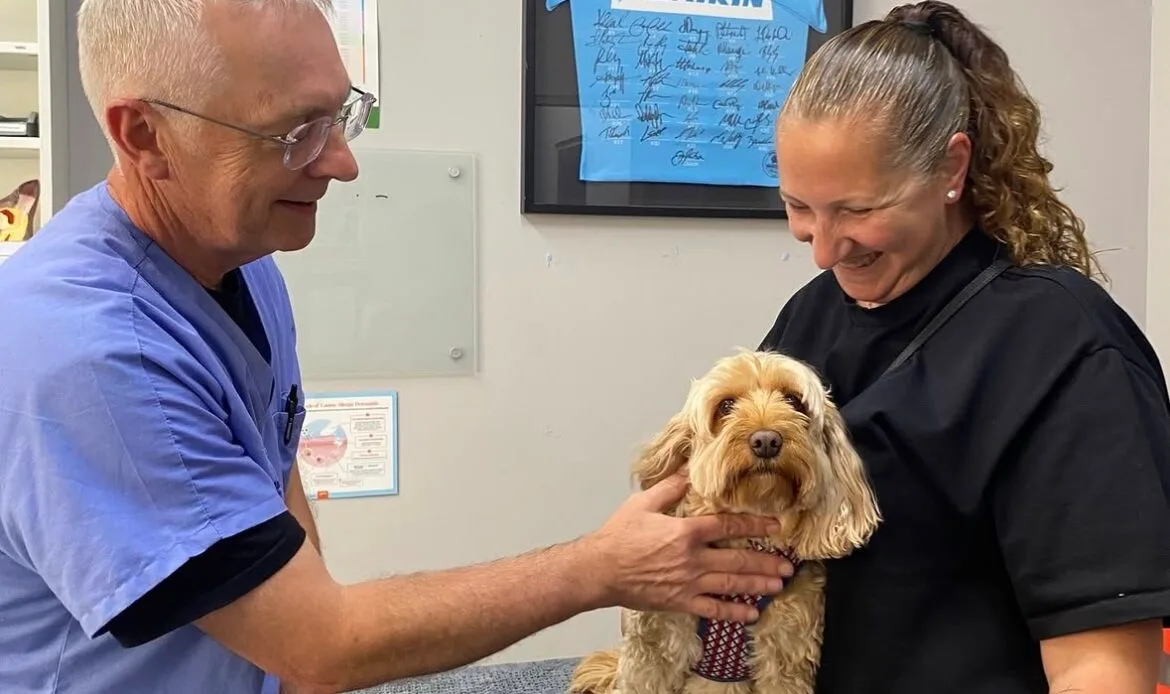
Owners often associate chemotherapy with the severe effects it can have on people. Veterinary chemotherapy is generally planned with a strong emphasis on preserving the animal’s comfort and quality of life.
Side effects can still occur. Possible effects include:
- Reduced appetite
- Nausea
- Vomiting
- Diarrhoea
- Tiredness
- Dehydration
- Changes in blood cell counts
Many side effects are temporary and manageable, although some pets may require additional medication, a change in dosage or further veterinary care. Blood tests may also be used to monitor how your pet is responding and whether it is safe to continue treatment.
Your veterinary team will explain what to monitor at home and when you should contact the clinic.
When Is Specialist Referral Recommended?
Some pets need tests, treatment or hospital care that cannot be provided at Blakehurst Vet. When this happens, our team will explain why referral is recommended and help direct you to the most appropriate specialist or emergency service.
Referral does not mean that Blakehurst Vet is no longer involved in your pet’s care. Where appropriate, our team can continue to provide general veterinary care, follow-up appointments and ongoing support alongside the referral hospital.
The recommendation will always depend on your pet’s diagnosis, individual needs and the type of care required. You can read more about how referrals are handled in our frequently asked questions.
Pet Cancer Care Is About More Than Treating the Disease
Cancer care also involves monitoring your pet’s appetite, comfort, mobility, behaviour and enjoyment of everyday life.
Supportive care may include medication for pain or nausea, nutritional advice and treatment for symptoms caused by either the disease or its treatment. Owners also play an important role by observing changes at home and keeping the veterinary team informed.
Not every cancer can be cured, and not every pet will benefit from intensive treatment. In these situations, palliative care can focus on keeping your pet comfortable and helping your family make difficult decisions with clear, compassionate guidance.
Blakehurst Vet provides support throughout this process, from symptom management and quality-of-life discussions through to end-of-life care when the time comes.
When Should I Book an Appointment?
Book a veterinary appointment if you notice a new or changing lump, unexplained weight loss, persistent loss of appetite, unusual bleeding, ongoing lameness or another change that concerns you.
These signs can have many causes and do not necessarily mean your pet has cancer. However, having them assessed promptly allows the team to determine whether further investigation is needed.
To discuss a concern or an existing diagnosis, book an appointment online or contact Blakehurst Vet
Frequently Asked Questions
Can a Vet Tell Whether a Lump Is Cancerous by Looking at It?
Not reliably. Some lumps may have a typical appearance, but testing is often needed to determine exactly what the lump is. Your vet may recommend taking a cell or tissue sample for examination.
Should Every Lump on My Pet Be Checked?
It is sensible to have new, growing or changing lumps assessed. Even if a lump has previously been checked, arrange another appointment if it begins changing in size, texture, colour or appearance.
Can Dogs and Cats Have Chemotherapy at Blakehurst Vet?
Some dogs and cats can receive individualised chemotherapy at Blakehurst Vet with Dr Hamish. Suitability depends on the diagnosis, treatment required and your pet’s overall health.
Do Pets Lose Their Fur During Chemotherapy?
Complete hair loss is less common in pets than it is in people, although coat changes or hair loss can occur with certain medications and in some breeds. Your vet can explain the expected effects of the particular medication being considered.
Is Pet Cancer Always Treatable?
Treatment options depend on the type, location and extent of the cancer. Some cancers may be removed or controlled, while others are managed by slowing their progression and maintaining quality of life.
Does My Pet Need a Specialist Oncologist?
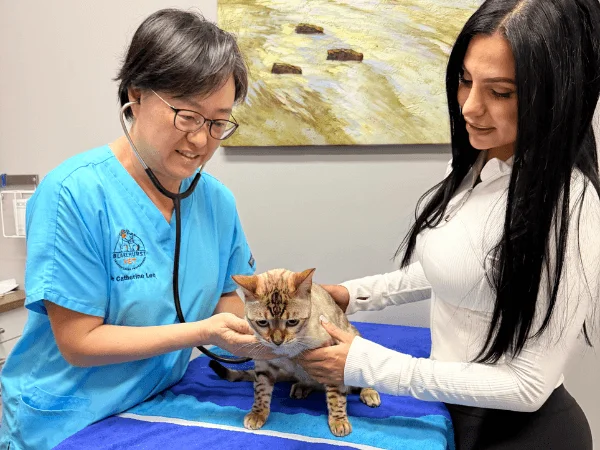
Not always. Some investigations and treatments can be provided through Blakehurst Vet. Specialist referral may be advised when advanced imaging, radiation, specialist surgery or an oncologist’s assessment is likely to benefit your pet.