

Why Is My Cat Drinking More Water Than Usual? Common Causes and When to See a Vet
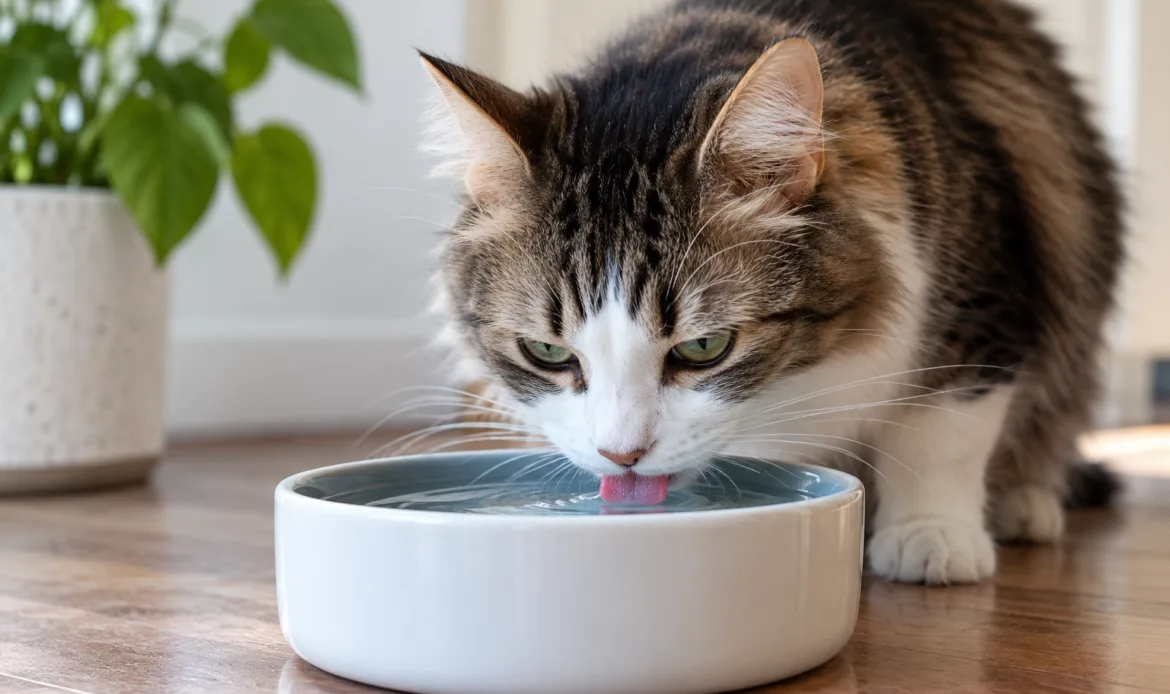
Have you noticed your cat visiting the water bowl more often, drinking from places they normally ignore or producing much larger wet patches in the litter tray?
Sometimes there is a simple explanation. A change in diet, warmer weather or some medications can all affect how much a cat drinks.
But a noticeable or persistent increase in thirst can also be an early sign of an underlying health problem, particularly in older cats.
Quick Answer: Why Is My Cat Drinking More Water Than Usual?
Cats may drink more because of diet, warmer weather or certain medications.
Persistent increased thirst can also be associated with conditions such as kidney disease, diabetes and hyperthyroidism.
If your cat is consistently drinking or urinating more than usual, particularly alongside weight loss, appetite changes, vomiting or changes in behaviour, we recommend arranging a check with us at Blakehurst Vet.
How Do I Know If My Cat Is Drinking Too Much?
There is no single amount that is normal for every cat.
Cats eating mostly wet food get a lot of moisture through their meals and may drink very little from a bowl. Cats eating dry food generally need to drink more.
For most owners, the important thing is noticing a change from what is normal for their own cat.
You might notice:
- The water bowl needs filling more often
- Your cat is spending more time drinking
- They have started drinking from taps, showers or unusual places
- There are larger or more frequent urine clumps in the litter tray
Changes like these are worth mentioning during a regular health check, particularly if they continue.
Kidney Disease
Chronic kidney disease is an important cause of increased thirst, especially in older cats.
When kidney function declines, the kidneys may become less able to concentrate urine properly. The cat then produces more dilute urine and drinks more water to replace what is being lost.
Other signs can include:
- Weight loss
- Reduced appetite
- Vomiting or nausea
- Reduced energy
- Changes in coat condition
Because the early signs can be subtle, we pay particular attention to drinking, urination and weight in older cats.
Our Senior Pet Care program includes blood testing, urine testing, blood pressure measurement and a thorough examination to help identify changes early.
You can also read more about the early signs of illness in senior pets.
Diabetes
Diabetes can also cause a noticeable increase in drinking and urination.
When blood glucose becomes too high, glucose passes into the urine and draws additional water with it. This makes the cat urinate more and then drink more to compensate.
Other signs can include weight loss, increased appetite and reduced energy.
A particularly useful clue is a cat that is eating well, or even seems hungrier than usual, while continuing to lose weight.
We explain this in more detail in Why Is My Cat Losing Weight Even Though It Is Still Eating?.
Hyperthyroidism
Hyperthyroidism is most common in middle-aged and older cats.
Along with increased thirst and urination, it can cause:
- Weight loss
- An increased appetite
- Restlessness or increased activity
- Vomiting or diarrhoea
- Changes in coat condition
These changes often develop slowly and can be easy to mistake for normal ageing.
If you have an older cat, our Senior Pet Care page explains more about the changes we look for as cats age.
Could Food or Medication Be the Cause?
Yes.
A change from wet food to dry food can make a cat drink more because they are getting less moisture through their meals.
Some medications can also affect thirst or urine production.
If we have recently started your cat on medication and you notice a significant change in drinking, let us know. Do not stop prescribed medication without speaking to us first.
Drinking More Is Different From Struggling to Urinate
A cat that drinks more will usually produce more urine as well.
This is very different from repeatedly visiting the litter tray but only passing tiny amounts.
If your cat is:
- Straining to urinate
- Crying or appearing uncomfortable
- Repeatedly going in and out of the litter tray
- Producing very little or no urine
call us straight away.
A urinary blockage, particularly in a male cat, can become life-threatening quickly and needs urgent treatment.
Our emergency vet information explains some of the signs that require prompt attention.
What Will We Check at Blakehurst Vet?
We will first ask about what has changed.
That usually includes when the increased drinking began, whether your cat is also urinating more, appetite changes, weight changes, medication and any other symptoms you have noticed.
After examining your cat, we may recommend blood and urine tests.
These can help us assess:
- Kidney function
- Blood glucose
- Thyroid levels
- Urine concentration
- Other signs of internal disease
In some cats, we may also recommend checking blood pressure or performing further diagnostic tests.
Blakehurst Vet is a full-service veterinary hospital with on-site pathology and diagnostic facilities, so many initial investigations can be carried out here in Blakehurst.
What If My Cat Has Other Symptoms?
Other changes can give us useful clues.
If your cat is drinking more and losing weight, diabetes, hyperthyroidism and kidney disease are among the conditions we may investigate.
If appetite has dropped, our article Why Is My Cat Not Eating? explains when we recommend bringing them in.
If vomiting has become more frequent, you can also read Why Is My Cat Vomiting?.
Should I Restrict My Cat’s Water?
No.
Always keep fresh water available.
If an underlying condition is causing your cat to lose more water through their urine, increased drinking may be their body’s way of compensating.
Restricting water can make the problem worse.
When Should I Bring My Cat to Blakehurst Vet?
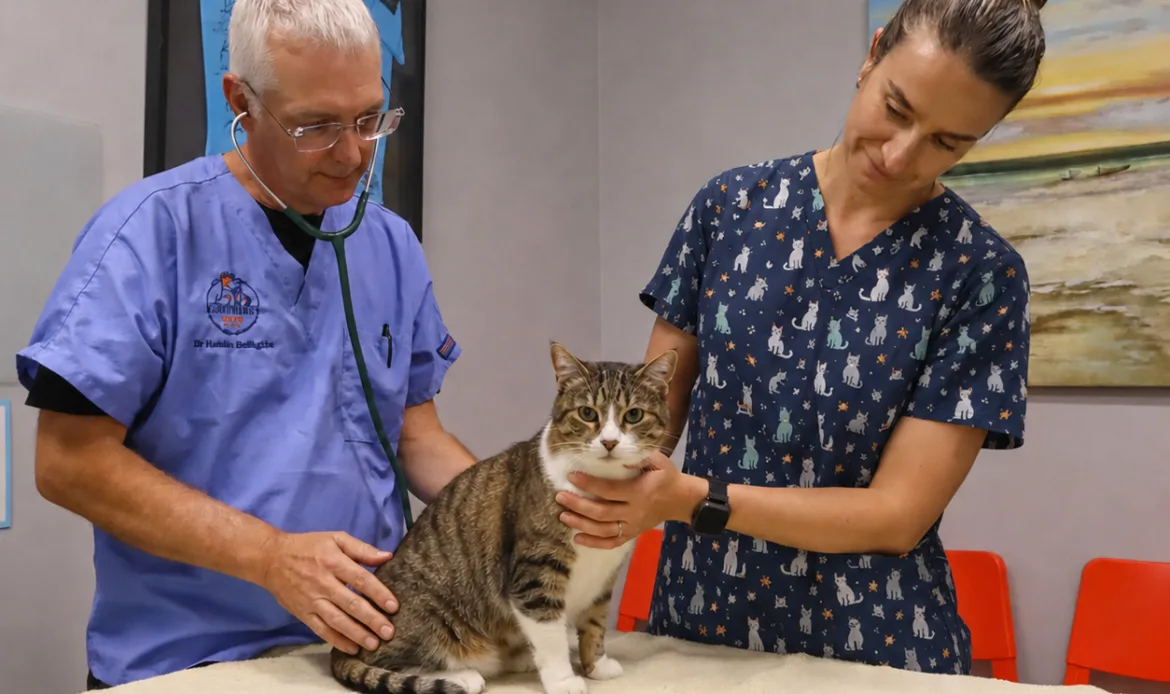
We recommend booking an appointment if your cat is consistently drinking or urinating more than usual and there is no obvious explanation.
We would particularly like to see them if increased thirst is accompanied by:
- Weight loss
- Appetite changes
- Vomiting
- Lethargy
- Behaviour changes
- A noticeable increase in urine production
You do not need to wait until your cat looks obviously unwell.
Cats often hide illness very well, and a small change in routine can sometimes be the first useful clue that something is not quite right.
Blakehurst Vet cares for cats from Blakehurst, Hurstville, South Hurstville, Sylvania, St George and the Sutherland Shire.
You can also read more about our approach to wellness and preventative care.
Frequently Asked Questions
Why is my cat suddenly drinking lots of water?
Diet, warmer weather and some medications can increase thirst. Persistent increased drinking can also be associated with kidney disease, diabetes and hyperthyroidism. If the change continues, we recommend arranging a check with us.
Is drinking more water a sign of kidney disease in cats?
It can be. Cats with kidney disease often produce larger amounts of dilute urine and drink more to compensate. Because increased thirst has several possible causes, we may recommend blood and urine testing.
Why is my older cat drinking more water?
Older cats are more likely to develop conditions including chronic kidney disease, diabetes and hyperthyroidism. A definite new increase in thirst is worth investigating rather than assuming it is simply part of ageing.
Should I stop my cat drinking so much water?
No. Keep fresh water freely available and arrange a check if the increase in thirst continues.