

Why Is My Cat Losing Weight Even Though It’s Still Eating?
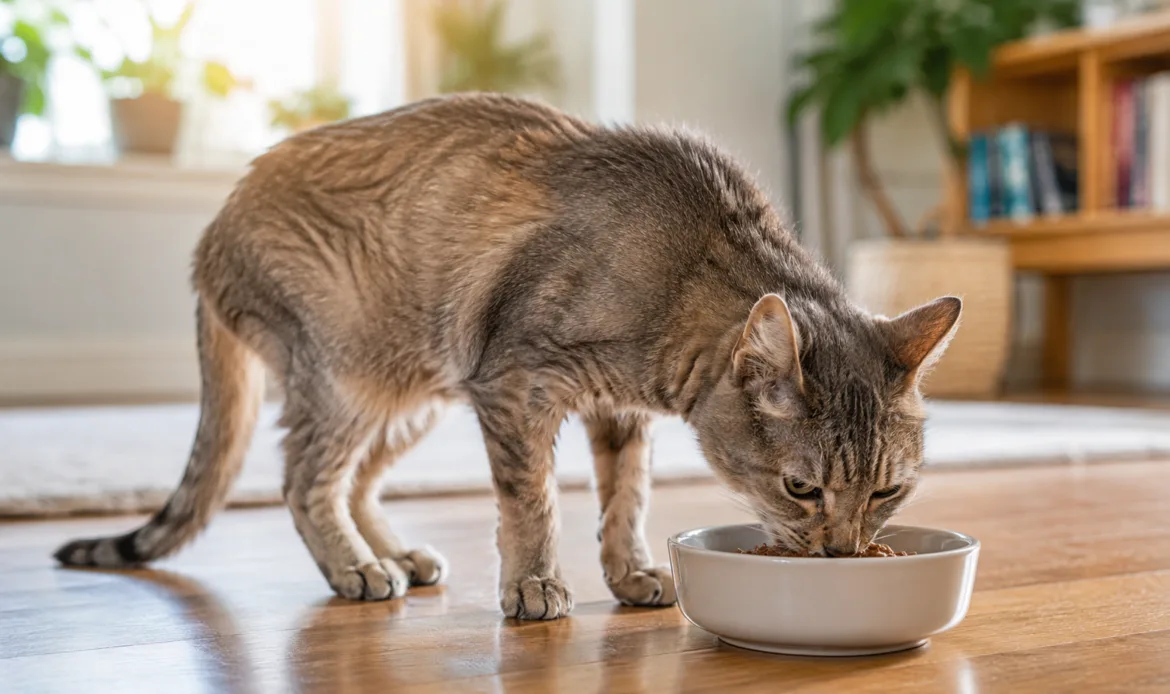
A cat losing weight while still eating may seem confusing. Some cats even appear hungrier than usual while gradually becoming thinner.
Unexplained weight loss is not a normal part of ageing and can be an early sign of an underlying medical condition. If you have noticed that your cat’s ribs, spine or hips are becoming more prominent, it is worth arranging a veterinary check rather than simply increasing their food.
Quick Answer: Why Is My Cat Eating but Losing Weight?
A cat may lose weight despite continuing to eat because their body is using energy too quickly, cannot absorb nutrients properly or cannot use glucose normally.
Common causes include hyperthyroidism, diabetes and gastrointestinal disease. Other medical conditions can also cause weight and muscle loss, particularly in older cats. A veterinary examination and diagnostic testing are usually needed to identify the reason.
Hyperthyroidism
Hyperthyroidism is one of the most common conditions associated with weight loss and an increased appetite in older cats. It occurs when the thyroid glands produce too much thyroid hormone, causing the body’s metabolism to speed up.
Other possible signs include:
- Increased thirst and urination
- Restlessness or hyperactivity
- Vomiting or diarrhoea
- A fast heart rate
- An unkempt or greasy coat
- Increased vocalisation
The signs can begin gradually, so owners may initially notice only that their cat is becoming slimmer despite eating well.
Diabetes
Diabetes can prevent a cat’s body from using glucose properly for energy. As a result, the body begins breaking down stored fat and muscle even though the cat is still eating.
Weight loss despite a good appetite, along with increased thirst and urination, are two of the most common signs of feline diabetes. Some cats may also develop weakness in their back legs.
Diabetes is manageable in many cats, but early diagnosis is important. Contact the clinic if your cat is drinking noticeably more, producing larger amounts of urine or losing weight without a change in diet.
Digestive or Intestinal Disease
Conditions affecting the stomach, intestines or pancreas may prevent a cat from digesting or absorbing nutrients normally.
Weight loss may be accompanied by:
- Vomiting
- Diarrhoea
- Changes in stool
- A dull coat
- Reduced energy
- Changes in appetite
Some intestinal conditions cause a reduced appetite, while others can lead to weight loss even when a cat continues eating normally or becomes hungrier.
Our article Why Is My Cat Vomiting? explains when occasional vomiting becomes a reason to arrange an appointment.
Other Causes of Weight Loss in Cats
Hyperthyroidism and diabetes are important possibilities, but they are not the only causes. Weight loss may also be associated with kidney disease, chronic inflammation, parasites or other underlying illnesses.
Older cats can also lose muscle as they age, particularly along the spine and hindquarters. However, visible weight or muscle loss should not automatically be dismissed as ageing. Regular checks help distinguish gradual age-related changes from a developing medical problem.
You can read more about how often older pets should be examined in How Often Should My Pet Have a Health Check?.
What Will the Vet Check?
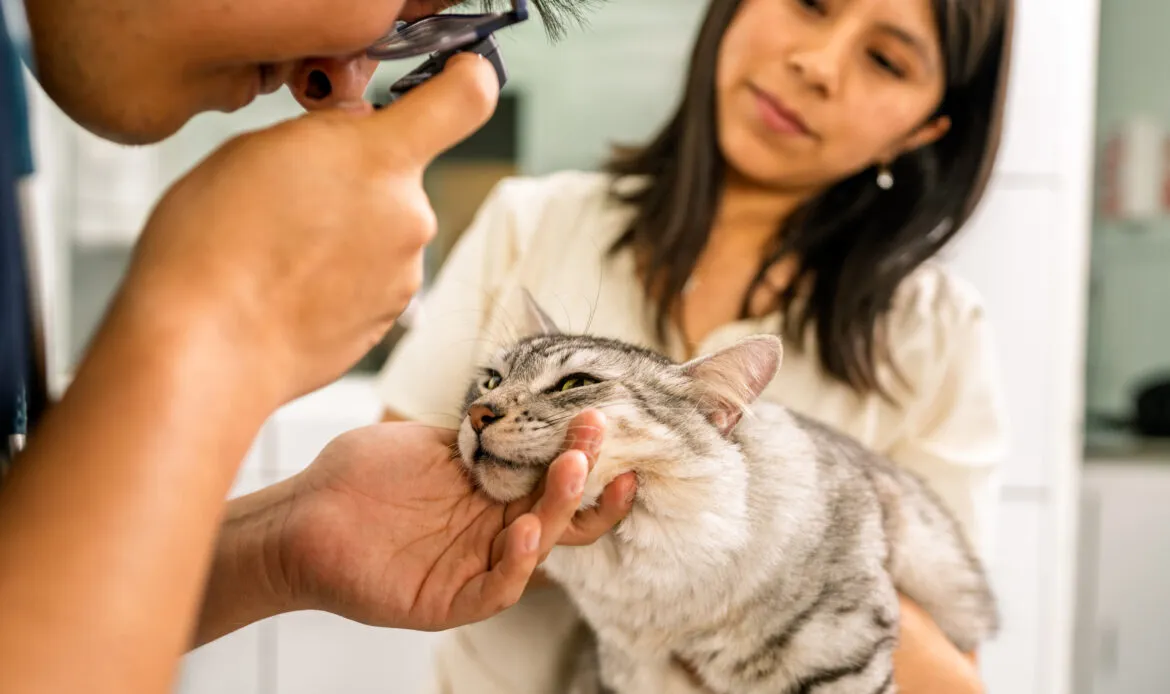
Your vet will begin by discussing what you have noticed at home, including changes in appetite, thirst, urination, vomiting, bowel movements and behaviour.
The examination may include:
- Checking your cat’s weight and body condition
- Assessing muscle loss
- Listening to the heart
- Feeling the abdomen
- Checking the mouth and teeth
- Looking for signs of dehydration
- Feeling the neck for changes around the thyroid glands
Depending on the findings, blood and urine tests may be recommended to check thyroid hormone levels, blood glucose, kidney function and other indicators of illness.
Blakehurst Vet has on-site pathology, an in-house laboratory, ultrasound and X-ray facilities, allowing many initial investigations to be carried out locally.
What Should I Monitor at Home?
Before the appointment, it can help to make a note of:
- How much your cat is eating
- Whether they seem hungrier than usual
- Changes in drinking or urination
- Vomiting or diarrhoea
- Changes in energy or behaviour
- Any recent diet changes
- When you first noticed the weight loss
In a multi-cat household, try to observe each cat separately. It can sometimes look as though every cat is eating normally when one is receiving less food or another is eating from their bowl.
Avoid making major dietary changes simply to encourage weight gain until the cause has been investigated.
When Should My Cat See a Vet?
Book an appointment if your cat is visibly losing weight, feels bonier when stroked or continues becoming thinner despite eating normally.
Arrange a prompt check if weight loss is accompanied by:
- Increased thirst or urination
- Vomiting or diarrhoea
- Weakness or lethargy
- Breathing changes
- A very fast heartbeat
- Sudden changes in behaviour
- Difficulty walking or jumping
Same-day appointments are usually available at Blakehurst Vet. You can contact the clinic or book an appointment online.
Frequently Asked Questions
Is Weight Loss Normal in an Older Cat?
No significant or continuing weight loss should be assumed to be normal. Older cats can lose muscle, but they are also more likely to develop conditions such as hyperthyroidism, diabetes and kidney disease.
Should I Feed My Cat More if They Are Losing Weight?
Do not rely on extra food alone. Increasing their portions may not correct the problem if an underlying condition is affecting metabolism or nutrient absorption. Arrange a veterinary check first.
Can Hyperthyroidism Make a Cat Hungrier?
Yes. Many cats with hyperthyroidism become noticeably hungrier while continuing to lose weight because their metabolism is working faster than normal.
What Are the Signs of Diabetes in Cats?
Common signs include weight loss despite a good appetite, increased thirst and increased urination. Some cats may also become weak through their hind legs.
Will My Cat Need Blood Tests?
Blood and urine tests are commonly recommended when investigating unexplained weight loss. The exact tests will depend on your cat’s age, symptoms and physical examination.