


Itchy Pets: A Practical Guide to Recognising and Managing Allergies
If your pet is constantly scratching, licking their paws or developing recurring ear problems, allergies may be part of the problem. Pet allergy symptoms can include persistent scratching, paw licking, recurring ear problems, excessive grooming, hair loss and irritated skin.
But allergies aren’t the only cause of itchy skin. Fleas and other parasites, bacterial or yeast infections and other skin conditions can cause very similar signs.
If the itching persists or keeps coming back, a veterinary examination can help identify what is causing the problem and the best way to manage it.
Quick answer: how do I know if my pet has allergies?
Common signs of allergies in dogs and cats can include:
- Persistent scratching or licking
- Paw licking or chewing
- Red or irritated skin
- Recurring ear problems
- Hair loss or excessive grooming
- Recurrent skin infections
These signs don’t necessarily mean your pet has an allergy. Our vets may need to rule out parasites, infection and other causes before an allergy can be diagnosed.
You can also learn more about our allergy and dermatology care at Blakehurst Vet.
Common pet allergy symptoms in dogs and cats
Allergic skin problems can look different from one pet to another.
Dogs commonly show persistent scratching, paw licking, rubbing or recurring ear problems. If paw licking is one of your dog’s main symptoms, our guide to why dogs lick their paws explains some of the other possible causes as well.
Cats may scratch, lick or groom themselves excessively. In some cats, this can result in thinning hair, bald areas, sores or irritated skin.
Bacterial or yeast skin infections can also develop when the skin is inflamed or damaged, making the itching even worse.
Can allergies cause recurring ear problems?
Yes. Allergies can contribute to inflammation of the ear canals, particularly in dogs.
Some dogs experience repeated episodes of itchy, red or infected ears alongside paw licking or other skin problems. In these cases, treating each ear infection without considering why it keeps returning may not solve the underlying problem.
If your dog regularly shakes their head or scratches at their ears, read our guide to why dogs shake their heads.

What causes allergies in pets?
There are several different types of pet allergy.
Environmental allergies can involve things such as pollens, grasses, moulds or dust mites. Symptoms may only appear during certain seasons in some pets, while others are affected throughout the year.
Flea allergy occurs when a pet is particularly sensitive to flea saliva. An affected pet can become intensely itchy even when there are very few fleas present.
Food allergy is another possibility, although it is not the cause of every itchy pet. Food-related skin problems can look very similar to environmental allergies and may cause ongoing itching, recurring ear problems or skin infections.
This is one reason it can be difficult to work out the cause of itching from symptoms alone.
How are food allergies diagnosed?
A food allergy cannot reliably be diagnosed simply by changing brands of food or removing one ingredient at a time.
When food allergy is suspected, we may recommend a strict elimination diet using a suitable veterinary diet selected for your pet. During the trial, the prescribed diet needs to be fed exclusively, which usually means avoiding other treats, chews and flavoured products as well.
If your pet improves, we may recommend carefully reintroducing their previous food to see whether the symptoms return. This can help confirm whether food is contributing to the problem.
Because diet trials need to be carefully controlled to give useful results, it is best to speak to your vet before starting one.
When should I take my itchy pet to the vet?
An occasional scratch isn’t usually cause for concern. Make an appointment if you notice:
- Persistent or worsening scratching
- Constant paw licking or chewing
- Red, inflamed or broken skin
- Hair loss or bald areas
- Recurring ear infections or head shaking
- An unusual smell from the skin or ears
- Sores, scabs or hot spots
- Repeated skin infections
- Itching that is disturbing your pet’s sleep or normal behaviour
Getting on top of the problem early can also help prevent scratching and licking from causing further skin damage or infection.
What happens during an allergy or dermatology consultation?
There isn’t one test that diagnoses every pet allergy.
Your vet will usually begin by talking through your pet’s history and examining their skin, coat, paws and ears. Depending on what they find, they may take skin or ear samples or recommend other tests to help identify the cause.
Fleas and other parasites, as well as bacterial or yeast infections, also need to be considered because they can cause itching themselves or make an existing allergy worse.
Environmental allergy is usually considered after other likely causes of the itching have been investigated.
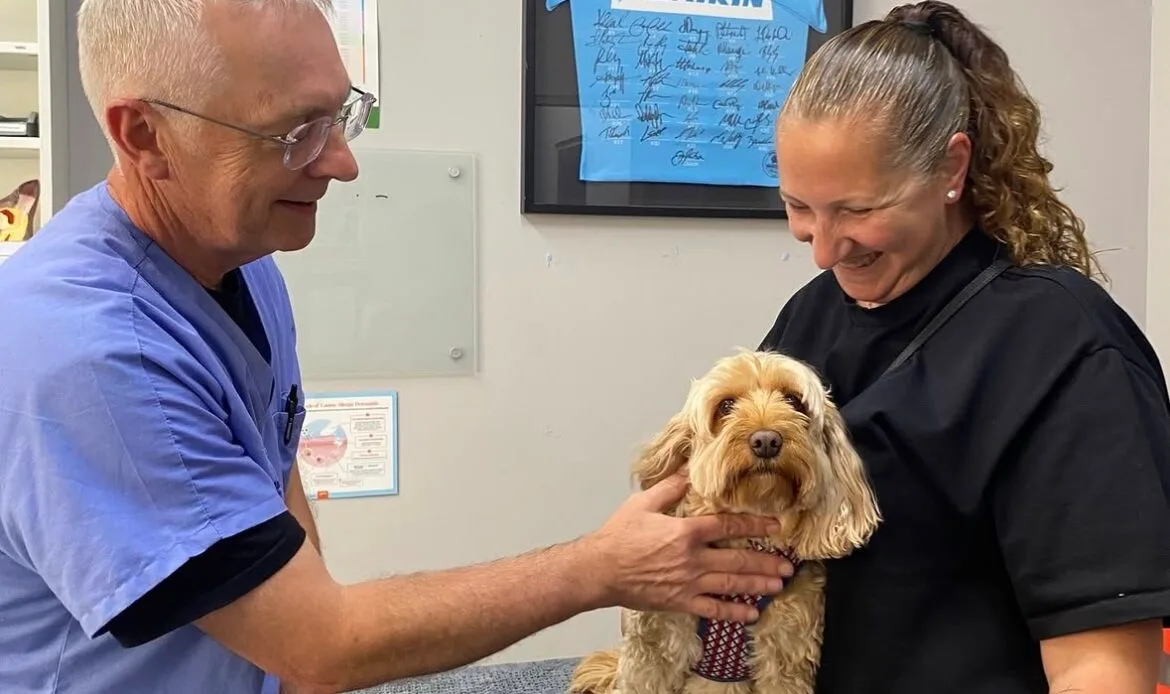
Blakehurst Vet provides allergy and dermatology consultations for dogs and cats with new or recurring skin and ear problems.
What about allergy testing?
Allergy testing can be useful in some pets, but it is not usually the first step in diagnosing an itchy pet.
Blood or skin tests may be recommended when environmental allergies are suspected, particularly if allergy immunotherapy is being considered.
Food allergies are different. They are best investigated with a carefully controlled elimination diet rather than blood or saliva tests.
Your vet can advise whether allergy testing is likely to be useful for your individual pet.
How are pet allergies treated?
Treatment depends on what is causing the itching and how severely your pet is affected.
Your vet may recommend a combination of:
- Treatment for bacterial or yeast infections
- Reliable flea and parasite control
- Medication to control itching and inflammation
- Veterinary-recommended shampoos or skin care
- A supervised elimination diet when food allergy is suspected
- Long-term management for environmental allergies
- Allergy immunotherapy in selected cases
For some dogs, medications such as Cytopoint or Apoquel may be appropriate to help control allergic itching. The treatment chosen depends on the individual dog and their medical history.
Allergies often require a combination of approaches rather than one treatment that works for every pet.
What can I safely do at home?
There are some useful things owners can do between veterinary visits.
Keep your pet’s flea prevention current and follow your vet’s recommendation for the products appropriate for your pet. Washing bedding regularly and keeping your pet’s environment clean may also help.
If bathing or skin care has been recommended, use the product and frequency advised by your vet. A shampoo that is helpful for one skin condition may not be appropriate for another.
Avoid repeatedly changing foods or starting your own elimination diet if a food allergy is being investigated. Frequent diet changes can make a proper food trial much harder to interpret later.
Omega-3 fatty acids may be useful as part of a broader skin-care plan for some pets, but it is best to ask your vet about a suitable product and dose.
Why flea control matters
Fleas are an important cause of itchy skin in dogs and cats, and some pets are particularly sensitive to flea bites.
You may not always see fleas on an affected animal. This can be especially true in cats that groom frequently, so not seeing fleas does not necessarily rule out flea allergy.
Consistent and effective parasite control may therefore form part of both investigating and managing an itchy pet.
If you’re unsure what your cat’s current parasite product actually covers, our guide to flea, tick and worming protection for indoor cats explains the different risks.
Long-term allergy management
Some skin problems clear once the underlying cause is treated. Allergies, however, often need ongoing management.
The best plan may change over time depending on your pet’s symptoms, the season, any skin or ear infections and how well they respond to treatment.
Regular rechecks are particularly useful for pets with recurring problems because they allow treatment to be adjusted before a flare-up becomes severe.
The aim is not simply to stop today’s scratching. It is to keep your pet comfortable and reduce the frequency and severity of future flare-ups.

Frequently asked questions
Are allergies the most common reason my pet is itchy?
Allergies are a common cause of itching, but they are not the only cause. Fleas and other parasites, bacterial or yeast infections and other skin conditions can cause very similar symptoms. A veterinary examination helps narrow down the cause.
Can food allergies suddenly develop in a pet that has eaten the same food for years?
Yes. A pet can develop a reaction to an ingredient they have eaten previously, so having eaten the same food without problems in the past does not completely rule out food allergy. A carefully controlled elimination diet may be recommended if food allergy is suspected.
Can allergies cause ear infections in dogs?
Yes. Allergies can contribute to inflammation of the ear canal and make some dogs more prone to recurring bacterial or yeast ear infections. Repeated ear problems are a good reason to consider whether there may be an underlying skin or allergy issue.
Can pet allergies be cured?
It depends on the type of allergy. A confirmed food allergy may be managed by avoiding the food that triggers the reaction. Environmental allergies are often long-term conditions that need ongoing management to control itching and reduce flare-ups.
Should I give my itchy pet an antihistamine?
Don’t start human or veterinary medication without speaking to your vet first. The appropriate treatment depends on what is causing the itching, your pet’s species, their general health and any other medication they are taking.
Help for itchy pets at Blakehurst Vet
If your dog or cat is constantly scratching, licking their paws, experiencing recurring ear problems or struggling with ongoing skin irritation, we can help investigate the cause.
Blakehurst Vet provides allergy and dermatology care for dogs and cats, including assessment of new and recurring skin problems and individual treatment plans.
Learn more about allergy and dermatology care at Blakehurst Vet or book an appointment if your pet is uncomfortable.