

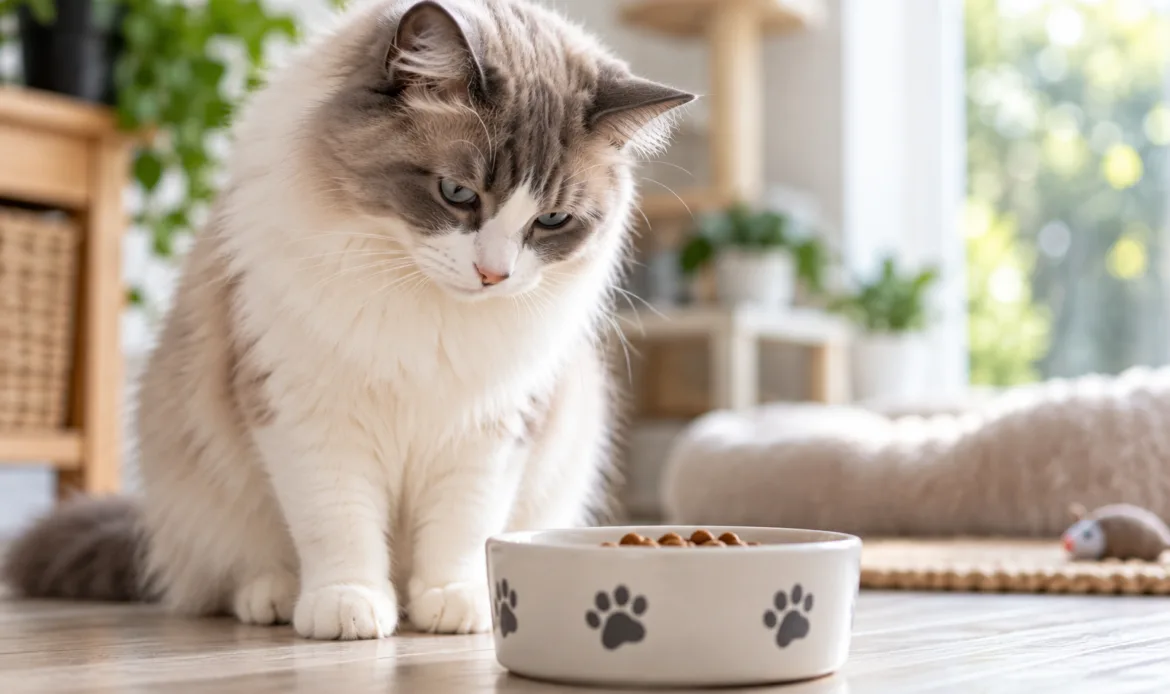
Why Is My Cat Not Eating? When Should I See A Vet?
Cats can be particular about food, so an occasional turned-up nose at dinner is not always unusual.
But if your cat is eating noticeably less than usual or has stopped eating altogether, it is worth paying attention. A change in appetite can be one of the first signs that something is not quite right.
At Blakehurst Vet, we recommend having a cat checked if they have not eaten properly for around 24 hours, or sooner if they also seem unwell.
Quick Answer: Why Is My Cat Not Eating?
A cat may stop eating for many reasons, including:
- Dental or mouth pain
- Nausea or an upset stomach
- Kidney or other internal disease
- Infection or fever
- Pain elsewhere in the body
- Stress or a change in routine
- A blocked nose affecting their sense of smell
- Something they have eaten that has made them unwell
Sometimes the explanation is simple. At other times, reduced appetite is an early sign of illness.
If your cat is not eating normally and you are unsure why, book an appointment with Blakehurst Vet rather than waiting several days to see whether it passes.
Is My Cat Just Being Fussy?
Possibly.
Cats can certainly have strong opinions about their food. A new flavour, different texture, changed recipe or even food that has been sitting out for too long can receive an immediate feline rejection.
Before assuming your cat is simply being fussy, think about what has actually changed.
Are they refusing one particular food but happily eating something else? Or have they lost interest in everything, including food they would normally rush towards?
A cat who rejects a new flavour but enthusiastically eats their favourite meal is quite different from a cat who suddenly has little interest in food at all.
A genuine change in appetite deserves closer attention.
Dental Problems Can Make Eating Uncomfortable
Sometimes a cat wants to eat but their mouth hurts.
Dental disease, inflamed gums, damaged teeth and other mouth problems can make chewing uncomfortable. You might notice your cat approaching the bowl and then walking away, chewing differently, dropping food or preferring softer food.
Some cats continue eating despite quite significant dental disease, so the absence of obvious difficulty does not necessarily mean their teeth are fine.
You can read more about the dental and diagnostic care available at Blakehurst Vet here.
If you are concerned about your cat’s teeth, our nurses also offer free dental checks.
Nausea and Digestive Problems
Cats do not always vomit when they feel nauseous.
A cat may simply lose interest in food, sniff at their meal and walk away. Some may lick their lips, swallow repeatedly or seem interested in eating without actually starting.
Stomach and intestinal problems can cause appetite changes, particularly if your cat also develops vomiting or diarrhoea.
If vomiting is part of the picture, our article Why Is My Cat Vomiting? explains some of the common causes and when it is time to arrange a check.
Could Kidney Disease Affect My Cat’s Appetite?
Yes.
Kidney disease is one of several conditions that can cause appetite changes in cats, particularly as they get older. Other possible signs can include increased drinking and urination, weight loss, nausea or reduced energy.
A cat with an underlying medical condition will not necessarily show every textbook sign.
Sometimes the first thing an owner notices is simply that dinner is being left behind.
This is one reason regular health checks become particularly useful as cats age. Our guide to how often your pet should have a health check explains why we generally recommend more frequent checks for senior pets.
What If My Cat Is Losing Weight Too?
Reduced appetite and weight loss often go together, but not always.
If you have noticed your cat becoming thinner, mention this when you make the appointment.
Weight change can give us an important clue about what is happening and helps determine which tests may be useful.
Interestingly, some medical conditions cause cats to lose weight even while they continue eating normally or become hungrier. We cover that separately in Why Is My Cat Losing Weight Even Though It Is Still Eating?.
Can Stress Make a Cat Stop Eating?
Yes, stress can affect appetite.
Moving house, introducing another pet, visitors, changes to the household or another significant disruption can all affect some cats.
However, it is important not to automatically put a loss of appetite down to stress.
Medical problems are common causes of reduced appetite too, and cats are very good at hiding illness. If your cat continues eating poorly, particularly if there are any other changes, it is sensible to have them examined.
Can a Blocked Nose Affect a Cat’s Appetite?
It can.
Smell is important to a cat’s interest in food. If they have congestion from an upper respiratory infection, food may suddenly seem much less appealing.
You may also notice sneezing, discharge from the nose or eyes, noisy breathing or reduced energy.
Again, the important thing is looking at the whole cat rather than just the food bowl.
Why Is It Important Not to Let a Cat Go Too Long Without Eating?
Cats handle prolonged periods without food differently from people and dogs.
When a cat stops eating for an extended period, particularly if they are overweight, they can be at risk of developing a serious liver condition called hepatic lipidosis, sometimes called fatty liver disease.
That does not mean a cat who skips one meal is automatically in danger.
It does mean that a cat who has genuinely stopped eating should not simply be watched for several days in the hope that hunger eventually wins.
If your cat has not eaten properly for around 24 hours, call us for advice.
What Will We Check at Blakehurst Vet?
The first step is usually a thorough examination.
We will ask about when your cat last ate normally and whether you have noticed changes in:
- Drinking or urination
- Weight
- Vomiting or diarrhoea
- Toileting
- Energy or behaviour
- Breathing or sneezing
- Their usual diet
- Any medications
- Recent changes at home
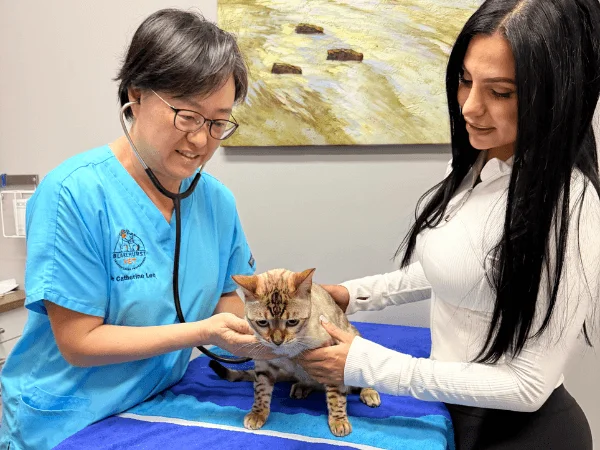
We will also examine your cat’s mouth and teeth, check their weight and hydration, feel their abdomen and look for other clues that could explain the appetite change.
Depending on what we find, we may recommend blood or urine testing, X-rays or ultrasound.
Blakehurst Vet has on-site pathology, X-ray and diagnostic facilities, which means many initial investigations can be performed at the clinic rather than sending your pet elsewhere.
Should I Try to Tempt My Cat With Different Food?
If your otherwise bright and comfortable cat has simply been less interested in one meal, offering their usual favourite food may help you work out whether they are genuinely off their food or simply unimpressed with what was served.
But continually cycling through different foods is not a substitute for investigating an ongoing loss of appetite.
And if your cat appears unwell, do not delay a veterinary appointment while trying increasingly elaborate menus at home.
Sometimes the reason a cat is not eating is nausea, pain or illness, and treating the cause is what brings their appetite back.
When Should I Book a Vet Appointment?
Contact us if your cat has not eaten properly for around 24 hours.
We would want to see them sooner if their loss of appetite is accompanied by signs such as:
- Repeated vomiting
- Marked lethargy or weakness
- Difficulty breathing
- Significant pain
- Straining or difficulty urinating
- A swollen or painful abdomen
- Sudden or concerning changes in behaviour
Kittens and cats with existing medical conditions may also need attention sooner.
If you are unsure, call Blakehurst Vet. Our team can help you decide how quickly your cat should be seen, and same-day appointments are usually available when your pet is unwell.
You can also find answers to common questions about urgent care, appointments and our services in the Blakehurst Vet FAQs.
Cats Often Give Us Small Clues
Cats are exceptionally good at carrying on as though everything is fine.
That is why small changes matter.
Leaving breakfast unfinished, suddenly ignoring a favourite treat or eating less over several days may not look dramatic, but it can be your cat’s way of telling you something has changed.
At Blakehurst Vet, we would rather examine your cat and find a straightforward explanation than have you wait until they are obviously unwell.
We are an independent, family-run vet clinic caring for cats across Blakehurst, Hurstville, South Hurstville, Sylvania, St George and the Sutherland Shire.
If your cat has stopped eating or their appetite has noticeably changed, book an appointment with Blakehurst Vet or call us on (02) 9547 2750.
Frequently Asked Questions
How long can a cat go without eating?
A cat who has stopped eating should not be deliberately left for several days. If your adult cat has not eaten properly for around 24 hours, contact your vet for advice. Kittens and cats who are already unwell may need attention sooner.
Why is my cat not eating but acting normal?
Cats can hide illness extremely well. A cat may still seem relatively normal despite dental pain, nausea or an early medical problem. If the change in appetite persists, arrange an examination.
Why does my cat sniff food but not eat it?
This can happen with nausea, dental or mouth pain, reduced sense of smell or simply because the cat dislikes the food. If it continues or your cat is eating very little overall, have them checked.
Can dental problems make my cat stop eating?
Yes. Painful teeth, inflamed gums and other mouth problems can make eating uncomfortable. Some cats approach food as though they are hungry but then struggle to eat it.
Can stress cause loss of appetite in cats?
Yes, significant changes in a cat’s environment or routine can affect appetite. However, ongoing appetite loss should not automatically be assumed to be stress because medical conditions can cause exactly the same sign.
What will the vet do if my cat isn’t eating?
We will examine your cat and discuss their appetite, behaviour and other changes you have noticed. Depending on the findings, we may recommend blood or urine tests, X-rays, ultrasound or other investigations to find the underlying cause.