

Pet emergencies: when to call the vet now (and what to do next)
Pet emergencies don’t wait for office hours. Knowing the signs that need urgent vet attention can save your dog or cat’s life. This guide breaks down what counts as an emergency, what you can handle at home, and how to get a same-day vet appointment in Blakehurst when every minute matters.
Recognising Emergency Symptoms
Understanding the difference between urgent and critical situations can make all the difference in the world. Let’s explore what requires immediate vet attention and what might be monitored at home.
Urgent vs Critical Situations
Not every concern is an emergency, but knowing when it is can save precious time. Urgent situations include things like minor injuries or mild vomiting. These typically need attention soon but aren’t life-threatening. Critical situations, on the other hand, are those that could potentially endanger your pet’s life. Think of symptoms like difficulty breathing or paralysis tick signs in Sydney. These need immediate action. Many pet owners confuse the two, but recognising the severity can ensure your pet gets the help they need immediately.
Common Red Flags in Pets
Certain symptoms are clear indicators that your pet needs veterinary care. If your dog is vomiting blood, or your cat has stopped eating, these are red flags. Other symptoms like seizures or sudden lameness should never be ignored. A seizure in dogs, for instance, requires swift action. Similarly, a urinary blockage in cats can be a silent killer. These signs aren’t just about the symptoms themselves but about the underlying issues they signal. The sooner you act, the better the outcome for your furry friend.
Local Risks to Watch For
Living in Sydney, especially Blakehurst, comes with its own set of challenges for pets. Snake bites in dogs during warmer months are a real danger. Heatstroke in dogs is another risk, particularly during our Aussie summers. And let’s not forget the menace of rat bait poisoning. Keeping these local risks in mind can help you better protect your pets. Most people think these are rare incidents, but they occur more often than you’d guess. Being prepared means being proactive, not reactive.
Immediate First-Aid Steps
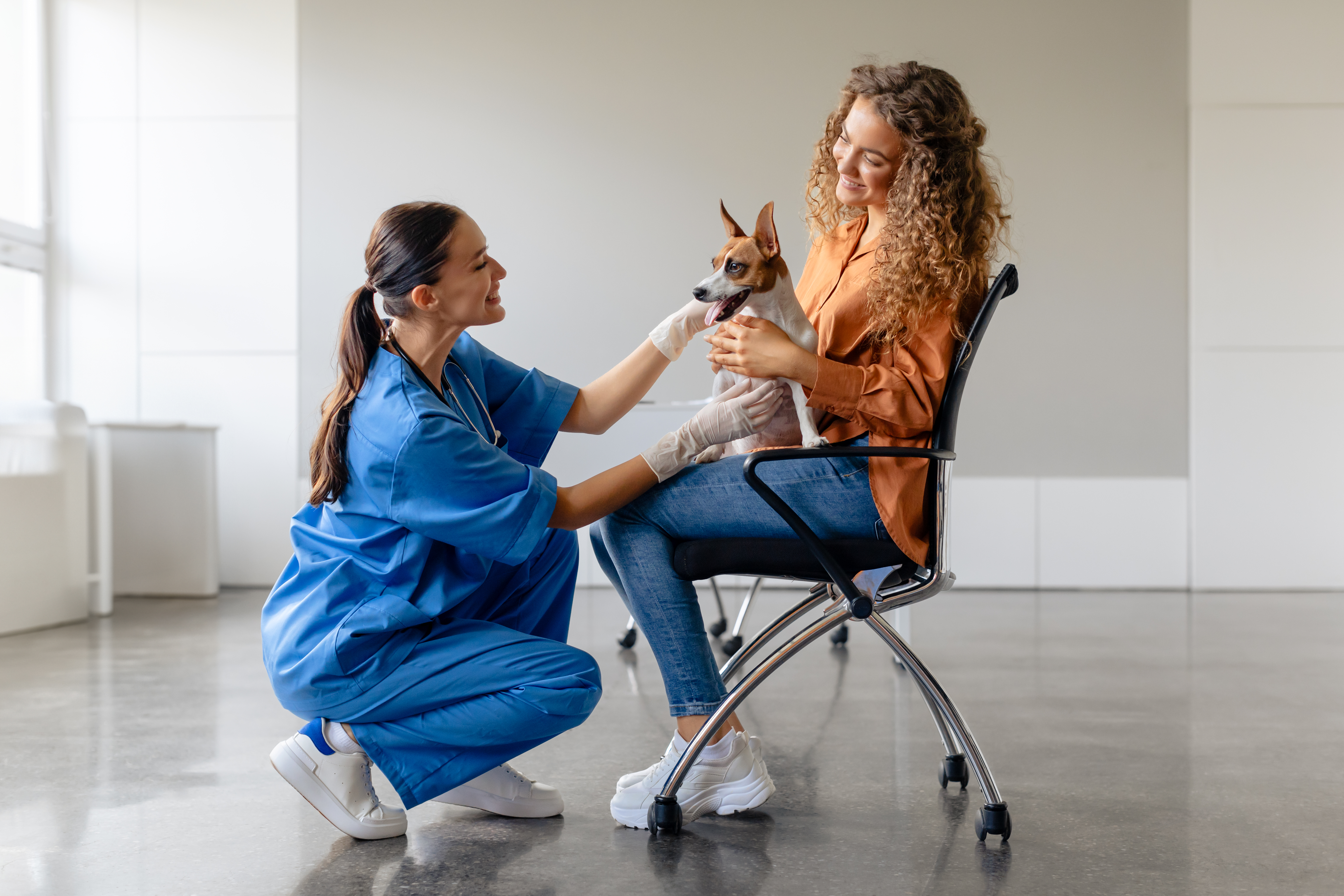
When faced with an emergency, it’s crucial to stay calm and act quickly. Equipping yourself with knowledge about basic first-aid techniques can make a significant difference until professional help is available.
Keeping Calm in a Crisis
In the heat of the moment, staying calm can be your greatest tool. Your pet relies on your composure. Begin by taking a deep breath and assessing the situation. Is your pet conscious? Are they bleeding? Keeping a clear head allows you to take the necessary steps effectively. Remember, your pet can sense your anxiety; staying calm reassures them too. Most pet owners panic, but remember—calmness can save lives.
Basic First-Aid Techniques
Knowing some basic first-aid can be life-saving. For minor wounds, gently clean the area with water and apply a clean dressing. In cases of choking, perform a careful sweep of their mouth to remove any obstructions. For chocolate toxicity in dogs, inducing vomiting might be necessary but only under the guidance of a vet. Always keep a basic first-aid kit handy. It includes bandages, antiseptic wipes, and a muzzle. A well-prepared owner can handle minor situations before getting to the vet.
Preparing for a Vet Visit
Once you’ve administered first-aid, prepare for a vet visit. Transport your pet safely, ideally in a carrier or safely restrained in your vehicle. Gather any relevant information such as your pet’s medical history and any medications they’re on. This information can help the vet provide the best care quickly. Time is crucial in emergencies, and being prepared can shave minutes off your wait.
Navigating Veterinary Care
Knowing when and how to seek professional help is an essential part of being a responsible pet owner. From making that crucial call to understanding what happens next, let’s break it down.
When to Call Blakehurst Vet
If you’re in doubt, it’s always better to call. Our team at Blakehurst Vet can guide you on whether a vet visit is necessary. Whether it’s for a same-day appointment or after-hours advice, we’re here to help. Our phones are manned by caring professionals who understand the urgency of your situation. Remember, the longer you wait, the more dangerous it can become for your pet.
What to Expect at Our Clinic
When you arrive at Blakehurst Vet, expect a warm and compassionate welcome. Our team is trained to handle emergencies with the utmost care. We’ll perform an initial assessment and prioritise treatment based on the severity of the case. Transparency is key; we’ll explain every step of the process to keep you informed. Our goal is to provide not just care but peace of mind. Most people expect a cold clinical setting, but we offer a caring, community-focused environment.
After-Hours Advice and Care
Emergencies don’t stick to a 9-to-5 schedule. That’s why we offer after-hours advice and care. If you’re faced with a pet emergency outside regular hours, we can provide initial guidance and help you decide on the next steps. We understand the stress involved in these situations and are committed to being your reliable support system. Remember, you’re not alone. Our community of pet lovers is here to back you up, whenever you need it.
This guide equips you with the knowledge to make informed, quick decisions about your pet’s health. Your local Blakehurst Vet is here, ready to support you and ensure your beloved pets receive the care they need, whenever they need it.