

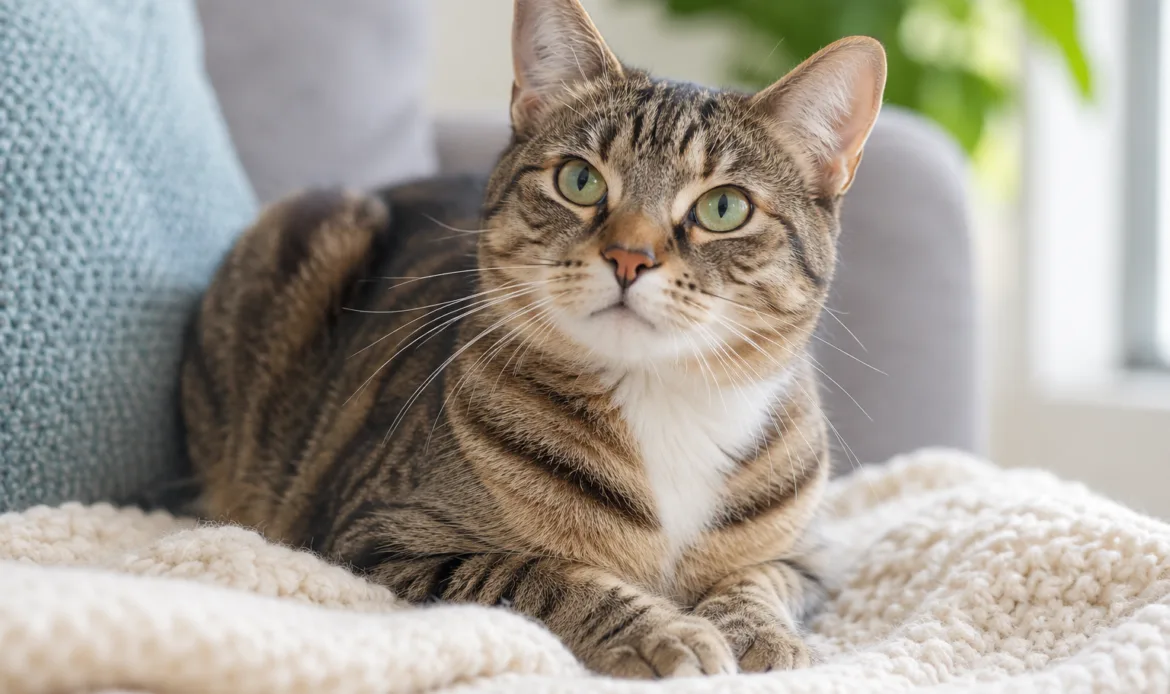
Why Is My Cat Sneezing? When Should I Worry?
You’ve probably heard your cat sneeze before. Maybe it was one tiny sneeze after investigating a dusty corner, followed by a slightly offended expression.
But what happens when they keep sneezing?
It’s natural to wonder whether your cat has simply encountered something irritating or whether they’re feeling unwell.
At Blakehurst Vet, we know how concerning even small changes in your cat’s behaviour can feel. The good news is that occasional sneezing isn’t always a cause for worry.
However, persistent sneezing, particularly when accompanied by other symptoms, is worth investigating.
Quick Answer: Why Is My Cat Sneezing?
Cats sneeze when something irritates the lining of their nose.
Common causes include:
- Dust, perfume, cleaning products or other environmental irritants
- Upper respiratory infections, sometimes called cat flu
- Inflammation inside the nose
- Dental problems affecting nearby nasal structures
- Something irritating or lodged inside the nasal passage
An occasional sneeze in an otherwise healthy, happy cat is usually less concerning.
But if your cat keeps sneezing, has discharge from their nose or eyes, stops eating or seems unusually quiet, we recommend contacting Blakehurst Vet for advice.
Is It Normal for Cats to Sneeze Occasionally?
Yes. Just like humans, cats sneeze from time to time.
Sneezing is a natural reflex that helps clear irritants from the nose.
Perhaps your cat has been exploring underneath the furniture, sniffing a dusty blanket or investigating something with a particularly strong smell.
A quick sneeze or two can simply be their body’s way of responding.
If your cat immediately returns to eating, playing, grooming and behaving normally, there may be no reason for concern.
What matters is whether the sneezing becomes frequent, continues over time or appears alongside other changes.
Could Dust, Perfume or Cleaning Products Be Causing It?
Cats have sensitive noses, and strong smells or airborne particles can sometimes trigger sneezing.
Common household irritants include:
- Dust from cleaning or vacuuming
- Strong perfumes and air fresheners
- Aerosol sprays
- Household cleaning products
- Smoke
- Dusty cat litter
If your cat starts sneezing after you’ve introduced a new product or cleaned a particular area, it’s worth considering whether something in their environment could be contributing.
Try keeping their surroundings well ventilated and avoiding strong fragrances around them.
Choose pet-safe cleaning products and keep your cat away from cleaning chemicals.
However, don’t automatically assume an environmental irritant is responsible if the sneezing continues. Other causes may need veterinary attention.
Can Cats Get Colds Like Humans?
Cats can develop upper respiratory infections that cause symptoms similar to a human cold.
You may hear these infections referred to as cat flu.
Common signs include sneezing, a runny nose, watery eyes and reduced energy.
Some cats may also develop a fever, lose interest in food or become more withdrawn than usual.
Several infections can cause these symptoms, including feline herpesvirus and feline calicivirus.
Cat flu isn’t the same illness as the common cold in humans, and the severity can vary considerably.
Some cats have mild symptoms, while others need veterinary care, particularly young kittens, older cats and those with existing health conditions.
If your cat appears unwell, our vets can assess their symptoms and recommend appropriate care.
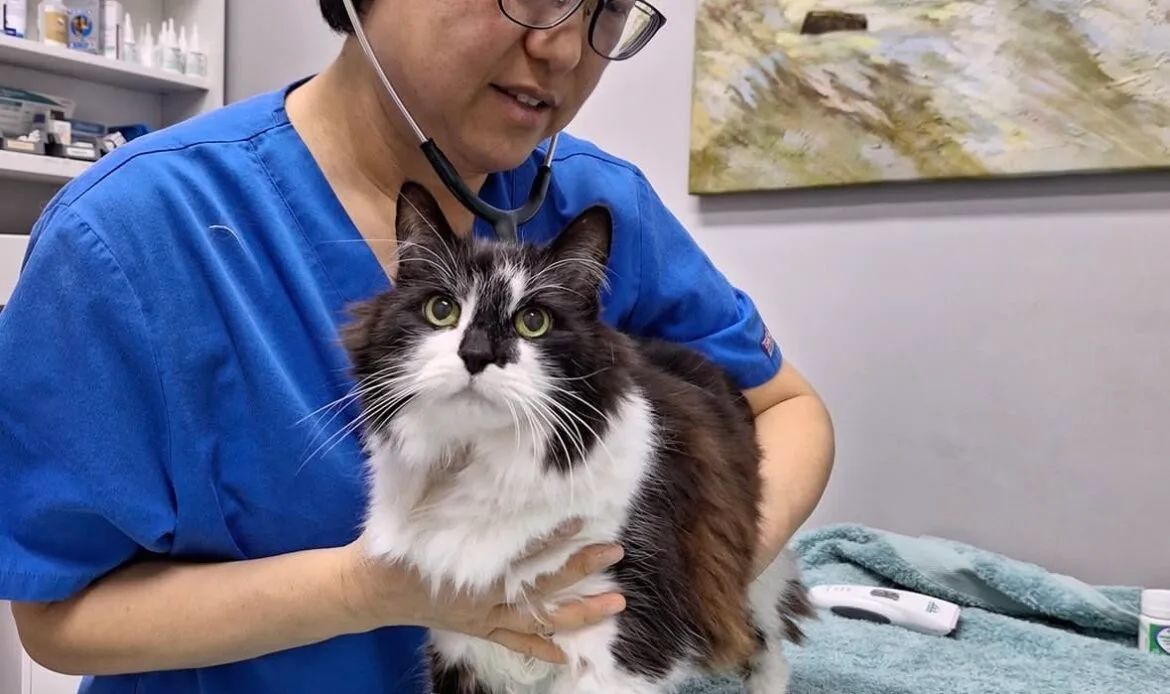
What If My Cat Is Sneezing and Has Watery Eyes?
Sneezing combined with watery, sticky or irritated eyes can be a sign of an upper respiratory infection.
You might notice your cat blinking more often, developing discharge around their eyes or rubbing their face.
Discharge from the nose can also occur.
These symptoms deserve attention because eye problems and respiratory infections can become uncomfortable and sometimes worsen.
If your cat has eye discharge, redness or difficulty keeping an eye open, contact Blakehurst Vet promptly rather than waiting for it to resolve.
Can Dental Problems Make a Cat Sneeze?
Surprisingly, yes.
A cat’s upper teeth sit close to structures within the nose. In some cases, significant dental disease or infection can contribute to nasal problems.
Your cat might also show signs such as bad breath, difficulty chewing, dropping food or favouring one side of their mouth.
However, cats are excellent at hiding dental discomfort, so the signs aren’t always obvious.
During an examination, our vets may check your cat’s mouth and teeth as part of investigating persistent sneezing.
You can learn more about our Dental Care services and why regular dental assessments matter.
When Should I Worry About My Cat Sneezing?
The occasional sneeze is usually less concerning than frequent sneezing accompanied by other symptoms.
We recommend arranging an appointment if your cat:
- Sneezes repeatedly or for several days
- Has ongoing discharge from their nose or eyes
- Has blood coming from their nose
- Appears uncomfortable or paws repeatedly at their face
- Becomes unusually quiet or lethargic
- Has reduced interest in food or water
- Develops noisy breathing or other respiratory symptoms
A cat that is struggling to breathe, breathing with an open mouth or showing significant respiratory distress needs immediate emergency veterinary attention.
Also, don’t wait several days if your cat stops eating. Cats can become unwell quite quickly when they aren’t getting enough food.
Our related article, Why Is My Cat Not Eating?, explains why appetite changes deserve attention.
What Should I Do at Home If My Cat Keeps Sneezing?
If your cat seems otherwise well, start by paying attention to the pattern.
Does the sneezing happen after cleaning? When they’re using their litter tray? Or throughout the day regardless of what they’re doing?
A few simple steps can help:
- Keep their environment free from strong fragrances and smoke.
- Avoid using aerosol sprays near your cat.
- Monitor their appetite, drinking and energy levels.
- Note any discharge from their nose or eyes.
- Record a short video of repeated sneezing to show our vets.
Don’t give your cat human cold medicines, decongestants or antihistamines unless specifically directed by a veterinarian.
Some products intended for people can be dangerous for cats.
If you suspect an infection, it’s also sensible to limit close contact with other cats until you’ve received veterinary advice.
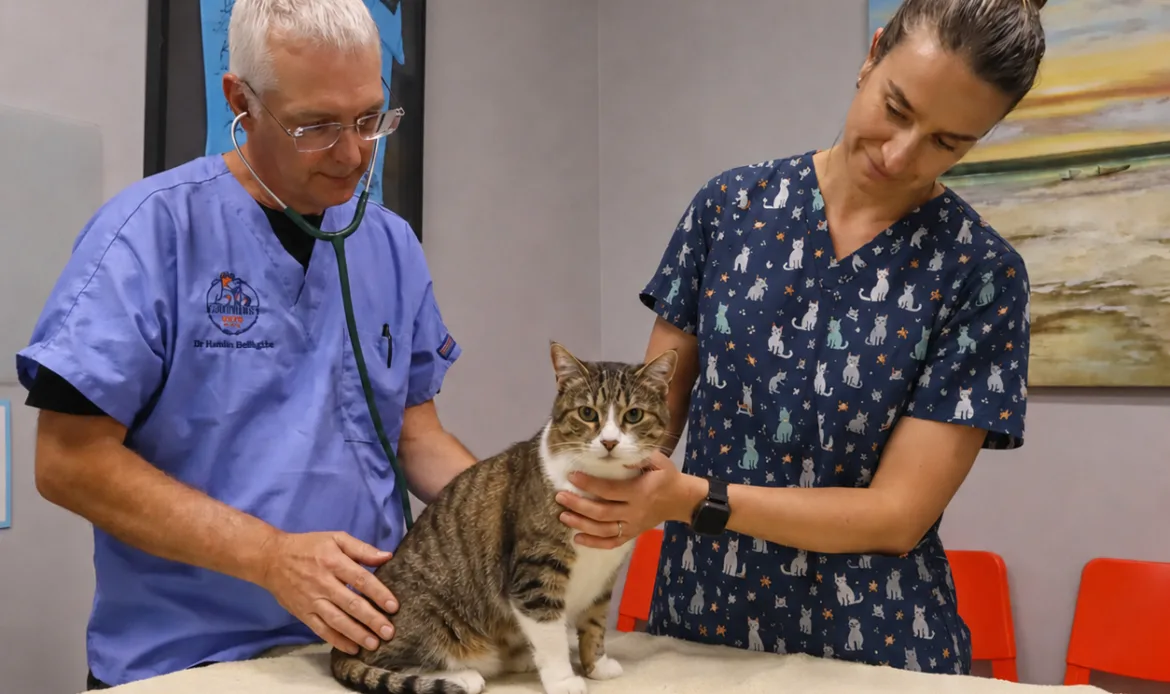
What Happens When We Check a Sneezing Cat at Blakehurst Vet?
We’ll start by asking about your cat’s symptoms, when the sneezing began and whether anything has changed at home.
Our vets will examine your cat, including their nose, eyes, mouth and general health.
We’ll also listen to their breathing and discuss any changes in appetite, behaviour or energy.
Depending on what we find, we may recommend monitoring, treatment or further investigations.
Not every sneezing cat needs tests or medication.
Our aim is to understand what’s causing the symptoms and help your cat feel comfortable again.
Can Vaccinations Help Prevent Cat Flu?
Vaccination is an important part of protecting your cat against common infectious diseases.
The routine F3 vaccination includes protection against major viral causes of cat flu.
Although vaccinated cats can still develop respiratory infections, vaccination can help reduce the severity of illness from the viruses it covers.
Both indoor and outdoor cats can benefit from appropriate preventative care.
At Blakehurst Vet, we can review your cat’s vaccination history and recommend a schedule suited to their age, lifestyle and health.
Learn more about our Wellness & Prevention services.
Frequently Asked Questions
Why is my indoor cat sneezing?
Indoor cats can sneeze because of dust, fragrances, cleaning products or respiratory infections. Being indoors doesn’t rule out illness, particularly if the sneezing is frequent or accompanied by other symptoms.
Why is my cat sneezing but otherwise acting normal?
An occasional sneeze may simply be caused by mild irritation. If your cat is eating, playing and behaving normally, monitoring may be reasonable. Persistent or worsening sneezing should be checked.
Can cat litter make my cat sneeze?
Yes. Dusty or strongly scented litter can irritate some cats’ noses. If sneezing seems associated with the litter tray, consider discussing a less dusty, unscented option with our team.
Is cat sneezing contagious?
Some causes, including certain respiratory infections, can spread between cats. Environmental irritation and dental problems are not contagious. A veterinary examination can help identify the likely cause.
When is sneezing an emergency?
Seek urgent veterinary attention if your cat is struggling to breathe, breathing through an open mouth, collapsing or showing severe distress. Persistent bleeding from the nose or severe illness also requires prompt assessment.
A Little Sneeze Isn’t Always a Big Problem
Cats have plenty of little quirks, and an occasional sneeze is often nothing to worry about.
The important thing is knowing when something has changed.
If your cat is sneezing frequently, seems uncomfortable or has developed other symptoms, our team at Blakehurst Vet is here to help.
We care for cats across Blakehurst, Hurstville, St George and the Sutherland Shire, providing friendly veterinary care tailored to each pet.
Contact Blakehurst Vet to arrange an appointment or call us on (02) 9547 2750.