

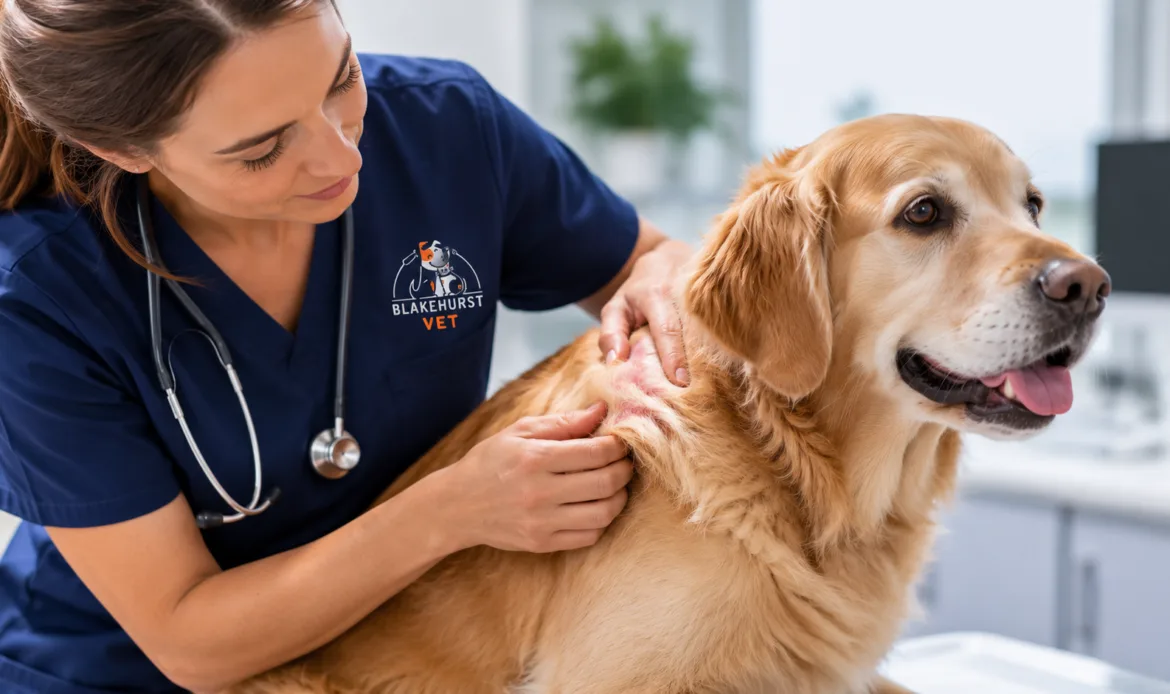
What Should I Do If I Find a New Lump on My Pet?
You are giving your dog a scratch or stroking your cat and suddenly notice something that was not there before.
A lump.
It is understandable to worry, but finding a new lump does not automatically mean something serious is wrong.
Pets can develop lumps and bumps for lots of different reasons. Some are harmless, while others need treatment. The important thing is that it can be difficult to tell what a lump is just by looking at it or feeling it.
At Blakehurst Vet, we recommend having new or changing lumps checked rather than trying to work out what they are at home.
Quick Answer: What Should I Do If I Find a Lump on My Pet?
Make a note of where the lump is, take a photo if you can, and book an appointment so one of our vets can take a look.
Many lumps turn out to be nothing serious, but getting them checked early means we can decide whether they simply need monitoring or whether further investigation would be useful.
If the lump is growing quickly, painful, bleeding, irritated or your pet seems unwell, let us know when you book.
Does Every Lump Mean Cancer?
No.
Dogs and cats can develop all sorts of lumps during their lives, and many are benign.
Some may be related to fatty tissue, cysts, inflammation or other skin and soft-tissue changes.
The problem is that lumps can sometimes look or feel very similar from the outside, even when they are completely different underneath.
That is why we prefer to assess each new lump rather than assuming it is harmless.
Our Pet Cancer Care service includes checking new or changing lumps and arranging further investigation where needed.
What Should I Look for at Home?
Before your appointment, it can help to make a few simple observations.
Try to note:
- Where the lump is
- Roughly how big it is
- When you first noticed it
- Whether it seems to be growing
- Whether your pet reacts when you touch it
- Whether the skin looks red or irritated
- Whether there is any bleeding or discharge
Taking a photo can also be helpful, particularly if you think the lump may be changing over time.
You do not need to try to diagnose it yourself. These details simply give our vets a little more information when we examine your pet.
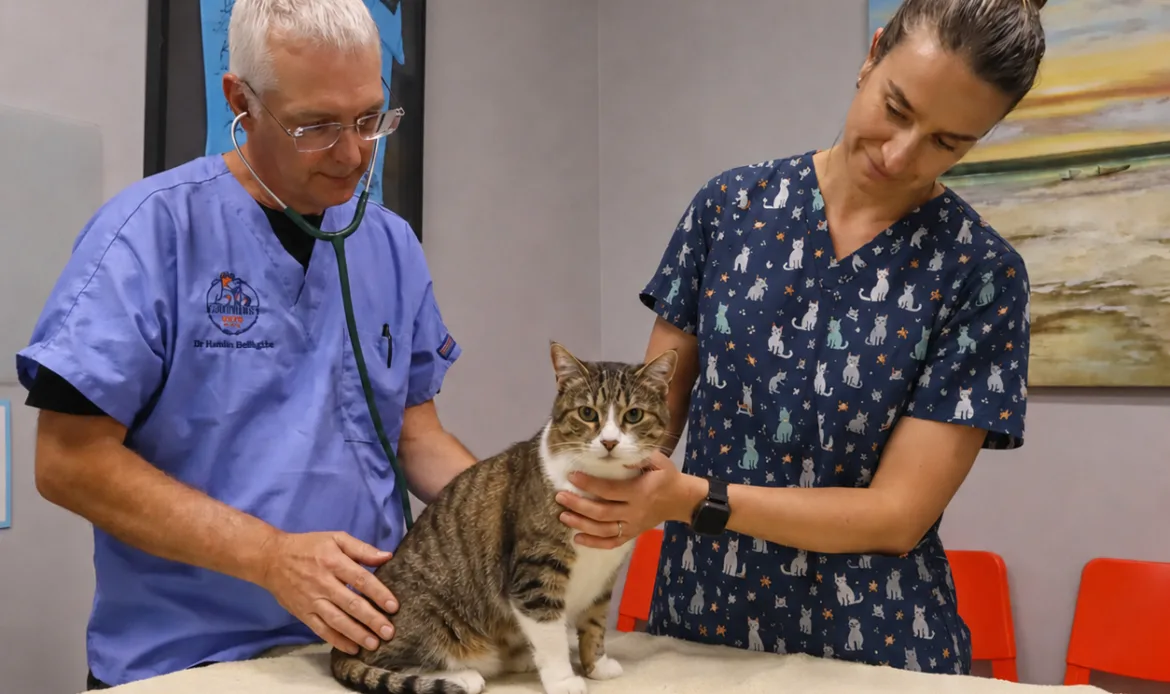
What Happens When We Check a Lump?
The first step is usually straightforward.
One of our vets will examine the lump and your pet as a whole.
We may ask when you first noticed it, whether it has changed and whether you have noticed any other differences in your pet’s health or behaviour.
Sometimes the best option is simply to monitor the lump.
Other times, we may recommend taking a small sample or arranging further testing so we can get a better idea of what it is.
We will explain what we recommend and why before anything further happens.
Could My Pet Need Other Tests?
Possibly, but not every pet with a lump needs lots of testing.
If we need more information about your pet’s overall health or the area we are investigating, we may recommend blood tests or diagnostic imaging.
Our guide to pet blood tests, X-rays and ultrasound explains what these tests can help us look at.
The important thing is that testing is based on your pet’s individual situation rather than following the same process for every lump.
Are Lumps More Common in Older Pets?
We tend to pay particularly close attention to new lumps as pets get older.
That does not mean every lump on a senior pet is serious.
It simply means regular checks become even more useful because they give us the chance to notice changes that may be developing gradually.
Our Senior Pet Care appointments include checking for changes such as new or changing lumps alongside other age-related health concerns.
Should I Monitor a Lump or Book an Appointment?
If you have found a new lump, we would rather check it first.
Once we have examined it, we may recommend monitoring it at home.
If so, keep an eye on whether it:
- Gets bigger
- Changes shape
- Becomes red or inflamed
- Starts bleeding or weeping
- Becomes painful
- Seems to bother your pet
If anything changes, book another appointment rather than waiting until the next routine health check.
When Should I Have a Lump Checked More Quickly?
Contact us sooner if the lump is growing rapidly, painful, bleeding, irritated or producing discharge.
You should also let us know if your pet seems generally unwell, has lost weight unexpectedly, has a reduced appetite or has another change that concerns you.
These signs do not necessarily mean something serious is wrong, but they can help us decide how quickly your pet should be seen.
FAQs
Can You Tell What a Lump Is Just by Feeling It?
Not always. How a lump looks and feels can give us useful information, but sometimes further testing is needed to know exactly what it is.
Are Soft Lumps Usually Harmless?
Some harmless lumps are soft, but texture alone cannot tell us whether a lump needs further investigation.
Should I Try to Squeeze My Pet’s Lump?
No. Avoid squeezing, cutting or trying to drain a lump at home. It may cause irritation, infection or discomfort.
What If My Pet Already Has Other Harmless Lumps?
A new lump should still be checked. Just because one previous lump was harmless does not mean every new lump will be the same.
Will My Pet Need Surgery?
Not necessarily. Some lumps are simply monitored, while others may need further investigation or removal. We will talk you through the options if anything further is recommended.
Found a New Lump?
Finding something new on your pet can be worrying, but the best thing you can do is have it checked rather than trying to guess what it might be.
At Blakehurst Vet, we can examine the lump, explain whether it needs monitoring or further investigation, and talk you through the next step.
Contact Blakehurst Vet to arrange an appointment.