

Spotting Early Signs of Illness in Senior Pets
As pets get older, changes in their health are not always obvious. Drinking a little more, losing weight, becoming less active or hesitating before jumping onto the couch can be easy to put down to ageing.
But getting older does not mean every change is normal. Some seemingly small changes can be early signs of illness, pain or another health problem.
Knowing what to watch for can help you recognise when your older dog or cat may need a veterinary check.
Quick answer: what are the early signs of illness in senior pets?
Changes worth paying attention to include:
- Drinking or urinating more than usual
- Changes in appetite
- Unexplained weight loss or weight gain
- Becoming less active or unusually tired
- Difficulty getting up, walking, climbing stairs or jumping
- Behaviour or sleep changes
- New lumps or bumps
- Changes in toileting habits
- Coughing or changes in breathing
- Changes to the skin, coat or grooming habits
One of these signs does not necessarily mean your pet has a serious illness. However, a new change that persists, worsens or seems unusual for your pet is worth discussing with your vet.
Changes in appetite
Older pets may occasionally be less interested in a meal, but an ongoing change in appetite should not simply be assumed to be part of ageing.
Eating less can occur with dental pain, nausea, kidney disease and many other health problems. A sudden increase in appetite can also be significant, particularly if it occurs alongside weight loss or increased thirst.
Pay attention not only to how much your pet eats, but also to changes in how they eat. Dropping food, chewing differently or suddenly avoiding harder foods can indicate discomfort in the mouth.
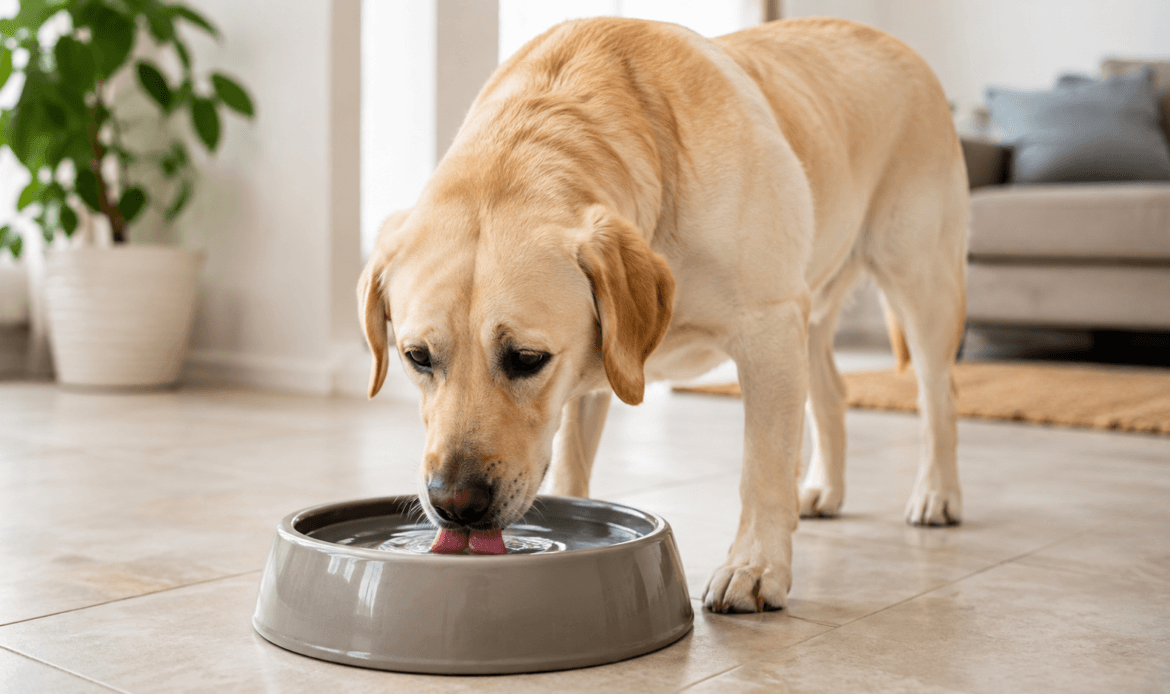
Drinking or urinating more than usual
Increased thirst is an important change to notice in an older pet.
Conditions including kidney disease and diabetes can cause pets to drink and urinate more, although there are many possible causes.
You may notice yourself filling the water bowl more often, your dog asking to go outside during the night, or a cat producing larger clumps in the litter tray.
If your dog has started drinking noticeably more than usual, read our guide Why Is My Dog Drinking More Water Than Usual? for more information about possible causes and when to book an appointment.
Unexplained weight loss
Weight changes can be gradual, particularly in long-haired pets, so they are sometimes difficult to notice.
Unexplained weight loss deserves attention even when your pet is still eating normally. In older cats, for example, conditions including kidney disease, hyperthyroidism and diabetes can cause weight loss despite a normal or increased appetite.
You may first notice that your pet feels bonier over the spine or hips, their collar or harness fits differently, or they simply look thinner.
If your cat is losing weight while continuing to eat, our guide Why Is My Cat Losing Weight Even Though It Is Still Eating? explains some of the reasons this can happen.
Weight gain matters too. Reduced activity, pain and changes in calorie needs can all contribute, and excess weight can make mobility problems more difficult.
Slowing down or becoming less active
It is easy to assume that an older pet who sleeps more, walks more slowly or no longer wants to play is simply getting old.
Sometimes they are slowing down naturally. But reduced activity can also be a sign of pain or illness.
Watch for changes such as:
- Reluctance to go for walks
- Difficulty getting up after resting
- Hesitating before climbing stairs
- No longer jumping onto furniture
- Falling behind on walks
- Becoming less interested in play
- Sleeping considerably more than usual
Arthritis and other causes of chronic pain are common in older pets and are not always obvious. Cats in particular may simply stop jumping to places they previously reached easily.
Changes in behaviour or sleep
Behaviour changes can provide useful clues about an older pet’s health.
A normally social pet becoming withdrawn, unusually clingy or irritable may be uncomfortable or unwell.
Older pets can also develop changes in cognitive function. Signs can include seeming confused in familiar surroundings, changes to sleep patterns, pacing, increased vocalisation or forgetting previously learned behaviours such as house training.
Pain, vision or hearing loss and other medical problems can cause similar changes, so it is worth having new behaviours assessed rather than assuming they are simply part of ageing.

Changes in toileting habits
Pay attention to changes in urination and bowel movements.
These might include:
- Urinating more frequently
- Accidents inside the house
- Difficulty passing urine or stools
- Diarrhoea or constipation
- Blood in the urine or stools
- Changes in the size or frequency of litter tray clumps
Some toileting changes can be related to mobility. For example, an arthritic cat may find climbing into a high-sided litter tray difficult. Others may indicate urinary, kidney, digestive or other health problems.
New lumps or bumps
Lumps become more common as pets age, and many turn out to be harmless. However, you cannot reliably tell what a lump is simply by looking at or feeling it.
Let your vet know if you find a new lump or notice an existing one changing in size, shape, texture or appearance.
A useful habit is to check your pet regularly while patting or grooming them. If you find something, take a photo and note approximately where it is so you can monitor any change and show your vet.
Changes in breathing or coughing
A new or persistent cough, changes in breathing or reduced tolerance for exercise should be assessed.
Seek urgent veterinary attention if your pet is struggling to breathe, breathing with obvious effort, collapses or develops a sudden significant change in their breathing.
Skin, coat and grooming changes
Changes to the coat can sometimes be an early indication that something is different.
Look for hair loss, irritated skin, new sores, excessive licking or grooming, or a pet that has stopped grooming themselves as effectively as before.
In older cats, a scruffier coat may sometimes occur because stiffness or pain makes grooming difficult.
Persistent itching, hair loss or recurring skin problems may also have a dermatological cause and should be investigated.
What happens at a senior pet health check?
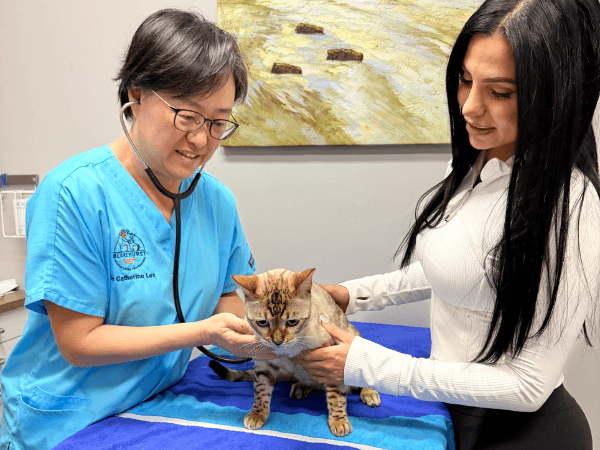
A health check gives your vet an opportunity to look for changes that may not be obvious at home.
Your vet can assess areas such as your pet’s:
- Weight and body condition
- Teeth and gums
- Heart and lungs
- Skin and coat
- Joints and mobility
- Eyes and ears
- Abdomen
- Overall behaviour and wellbeing
Your pet’s history is just as important. Tell your vet about changes you have noticed in eating, drinking, toileting, sleep, movement or behaviour, even if they seem minor.
Depending on your pet’s age, medical history and what is found during the examination, your vet may recommend further testing such as blood or urine tests.
How often should an older pet have a health check?
Health can change more quickly as pets get older, so more frequent veterinary checks can be useful.
At Blakehurst Vet, we recommend six-monthly health checks for older pets. These visits give us an opportunity to monitor changes over time and discuss any new concerns before they become more advanced.
You can read more in our guide How Often Should My Pet Have a Health Check?
When should I book an appointment?
Book a veterinary check if you notice a new or persistent change in your senior pet, particularly:
- Unexplained weight loss
- Increased thirst or urination
- Reduced appetite
- Ongoing lethargy
- Difficulty walking, jumping or getting up
- Behaviour or sleep changes
- A new or changing lump
- Persistent vomiting or diarrhoea
- Coughing or changes in breathing
- Changes in toileting habits
You don’t need to wait until your pet seems seriously unwell.
Knowing what is normal for your pet and noticing when that changes is one of the most useful things you can do as they get older.
Frequently asked questions
Is slowing down normal for an older dog or cat?
Some reduction in activity can occur with age, but a noticeable change in movement or willingness to exercise can also be caused by pain, arthritis or illness. If your pet is suddenly less active or struggling with things they previously managed easily, it is worth having them checked.
Why is my senior pet drinking more water?
There are several possible causes, including kidney disease, diabetes and other medical conditions. If you notice a persistent increase in thirst or urination, book a veterinary check rather than assuming it is part of ageing.
Is weight loss normal in an older pet?
No. Older pets can lose muscle as they age, but unexplained weight loss should still be investigated. This is particularly important if your pet is losing weight despite eating normally or seems hungrier than usual.
Should senior pets have blood tests?
Blood and urine testing can help detect or monitor some health conditions that may not be obvious from a physical examination alone. Whether testing is recommended, and how often, depends on your pet’s age, health history and individual circumstances.
My older pet seems healthy. Do they still need regular vet checks?
Yes. A pet does not need to appear sick to benefit from regular health checks. Monitoring weight, mobility, dental health and other changes over time can help identify problems earlier.
Caring for senior pets at Blakehurst Vet
Older pets deserve more than having every change dismissed as “just getting old”.
If you have noticed a change in your dog’s or cat’s appetite, weight, drinking, mobility or behaviour, book a health check with Blakehurst Vet. Same-day appointments are usually available if something has changed suddenly or you are concerned.
Book an appointment or call (02) 9547 2750.