
Puppy Communication 101: Understanding Your Pup’s Silent Language
Puppies speak volumes before they know a single command. Their tiny shifts in posture and movement carry clear messages about how they feel. Learning puppy body language helps you understand what your pup is really saying—whether it’s a friendly hello or a sign they’re unsure. At Blakehurst Vet, we’ll help you read these signals so you can build a calm, confident bond from day one.
Reading Puppy Body Language

Understanding your puppy’s cues can transform your connection with them. Reading their tail wags and play bows is a great place to start. Here’s how to decode these signals.
Tails and Play Bows
Your puppy’s tail is a telling indicator of their mood. A wagging tail often signals happiness or excitement. But watch the speed and height. A high, stiff wag might mean they’re unsure about something. When they lower their front with their rump in the air, it’s game time. This classic play bow invites you to join in the fun. It’s your pup’s way of saying, “Let’s play!” Recognising these actions helps you respond appropriately, making your interactions more enjoyable for both of you.
Eyes and Ears Speak Volumes
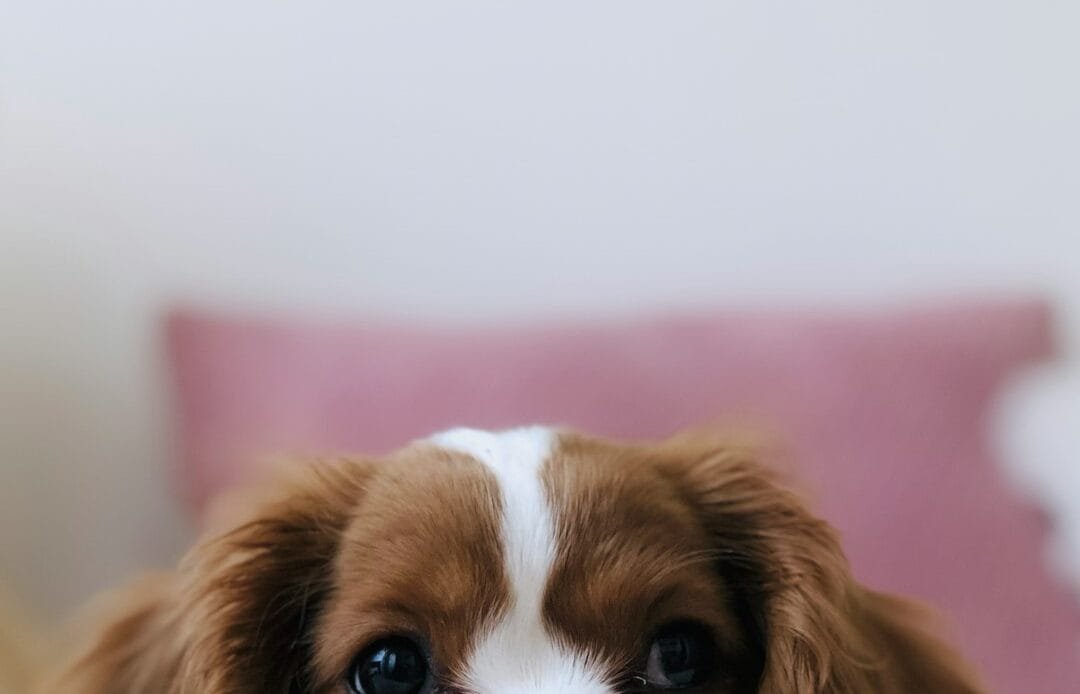
Puppies communicate a lot through their eyes and ears. Soft, relaxed eyes mean they trust you. If their gaze is steady and their ears are perked up, they’re keen and curious. But if their eyes seem wide or their ears are pinned back, they might be feeling stressed or frightened. Being able to read these subtle signals helps you provide comfort when needed. Most people assume a wagging tail means a happy dog, but eyes and ears can tell a different story.
Small Gestures, Big Meanings
Beyond the obvious signals, smaller gestures also carry big meanings. Paws and noses are key tools in your puppy’s communication toolkit.
Paws and Noses
A gentle paw on your arm could be a sign of affection or a request for attention. It’s your puppy’s polite way of saying, “I’m here, notice me!” Meanwhile, a nose nudge might mean they’re curious or greeting you warmly. Sniffing is also their way of gathering information. They use their nose like we use our eyes. Next time your puppy paws at you, consider what they might be trying to express.
Movement and Emotion
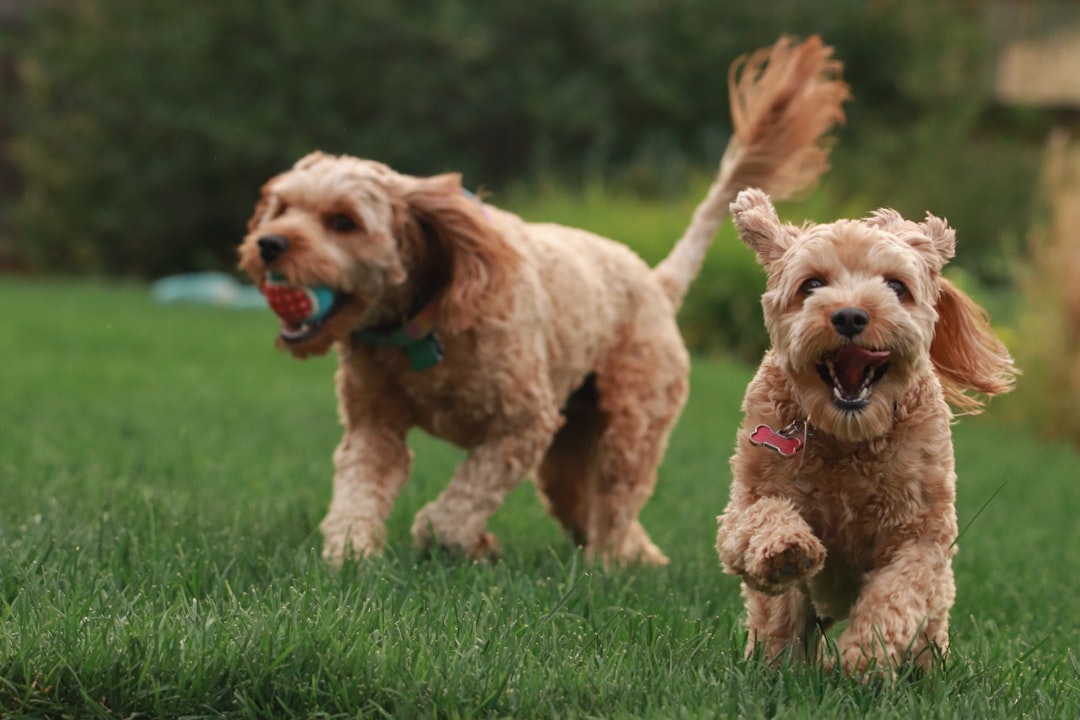
Puppies use movement to convey their emotions. A bouncy stride usually means they’re feeling playful or excited. But if they’re moving slowly or hesitantly, they may be unsure about their surroundings. Watching these movements helps you understand their emotions better. You might think stillness means calm, but in puppies, it could mean uncertainty.
Strengthening Your Bond
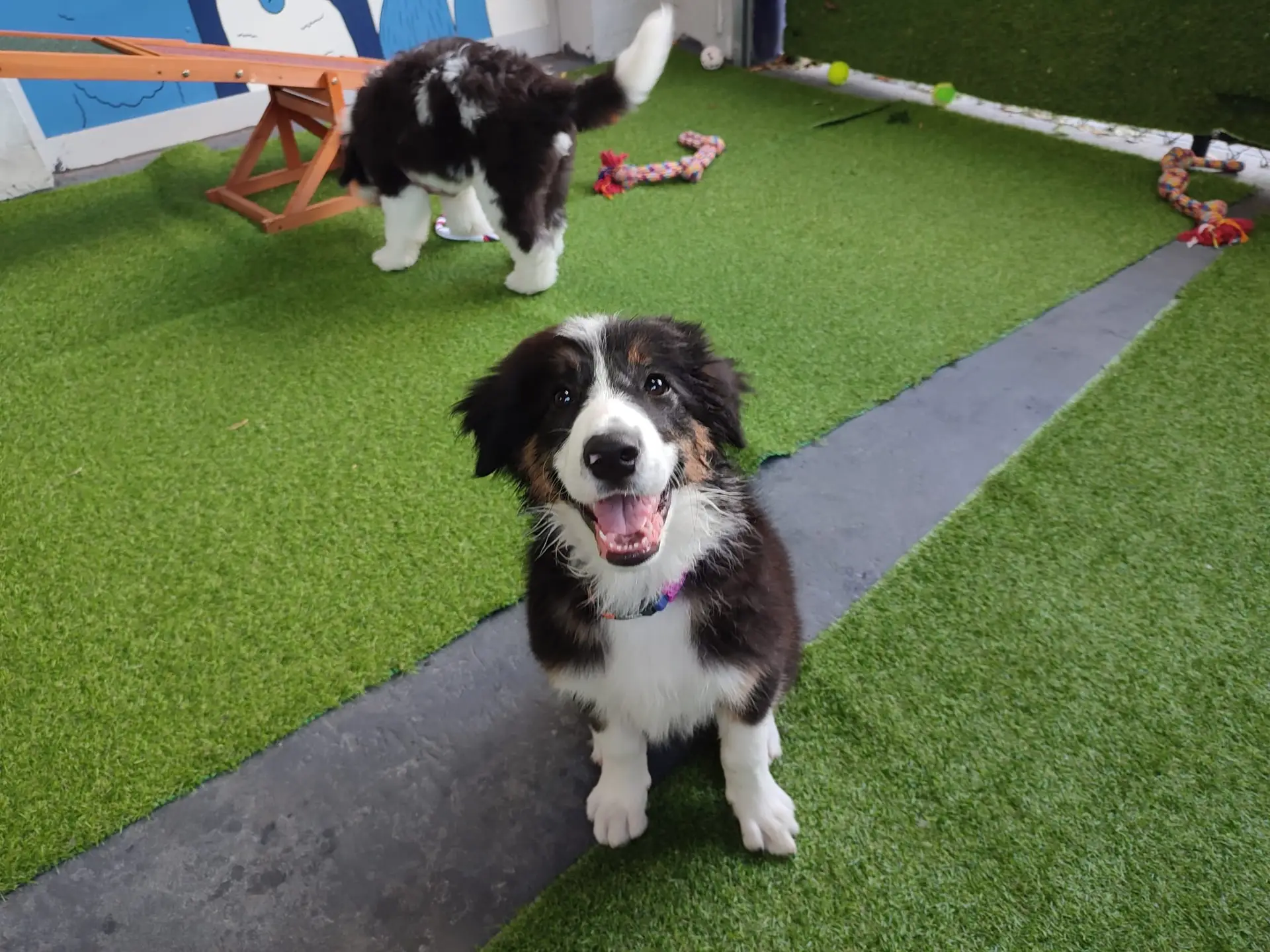
By understanding these cues, you can create a deeper bond with your pup. Supporting them through different emotions is key to building trust.
Supporting Shy Puppies
If your puppy seems shy, gentle encouragement can help them feel safe. Offer treats and praise to build their confidence. Creating a calm environment allows your shy pup to explore at their own pace. Watching a shy puppy blossom into a confident one is incredibly rewarding.
Celebrating Confident Pups
Confident puppies are a joy to watch. They’re eager to explore and interact. Celebrate their outgoing nature by introducing them to new experiences. This not only enriches their life but strengthens your bond. Enjoy the journey together as your confident pup grows into a well-rounded dog.
Understanding your puppy’s language helps you respond to their needs, creating a loving and trusting relationship. The longer you wait, the more you miss out on these precious bonding moments. With patience and care, you’ll soon be fluent in puppy communication, making every day with your new friend a memorable one.