
Understanding Pet Surgical Procedures: What Every Owner Needs to Know
Pet surgery can feel overwhelming for any owner. When your furry mate needs vet surgical procedures, knowing what’s involved helps ease the worry. At Blakehurst Vet, we guide you through every step—from preparing your pet to supporting their surgical recovery. Let’s walk through what you can expect, so you feel confident and ready to care for your pet’s health with us.
Preparing for Pet Surgery
Getting your pet ready for surgery can feel daunting, but having the right information makes all the difference. Understanding each step helps you feel more at ease and confident.
Understanding Vet Surgical Procedures
When it comes to vet surgical procedures, you’re probably curious about what happens behind the scenes. First, let’s talk about the various types of surgeries your pet might need. These can range from routine spaying or neutering to more complex procedures like tumour removal. Our experienced vets at Blakehurst Vet use the latest techniques to ensure your pet receives top-notch care. Every procedure is conducted with precision, aiming to minimise discomfort and promote quick healing.
You might wonder about the safety of these surgeries. Rest assured, our team follows strict protocols to ensure your pet’s safety. From pre-surgery checks to post-operative care, each step is carefully planned. This process not only ensures the best outcome but also provides peace of mind for you as a pet parent.
Essential Pre-Surgery Steps
Before any surgery, there are key steps to follow. First, your vet will conduct a thorough health check. This includes blood tests to assess organ function and detect any underlying issues. Fasting is another crucial step; it reduces the risk of complications during anaesthesia. Typically, your pet should not eat for 12 hours before surgery.
Next, discuss your concerns with the vet. Open communication ensures you’re fully prepared and know what to expect. Remember, you’re not alone in this process. Our team is here to answer questions and provide guidance every step of the way.
Pet Care Tips Before Surgery
In the days leading up to surgery, focus on keeping your pet calm and comfortable. Ensure they have a cosy place to rest, away from noise and stress. Short walks and gentle playtime can help burn off energy while keeping them relaxed.
Hydration is key. Always provide fresh water, but follow your vet’s instructions about when to stop before surgery. Lastly, shower your pet with affection. A reassuring presence helps soothe any anxiety they might feel, setting a positive tone for a smooth procedure.
During the Procedure
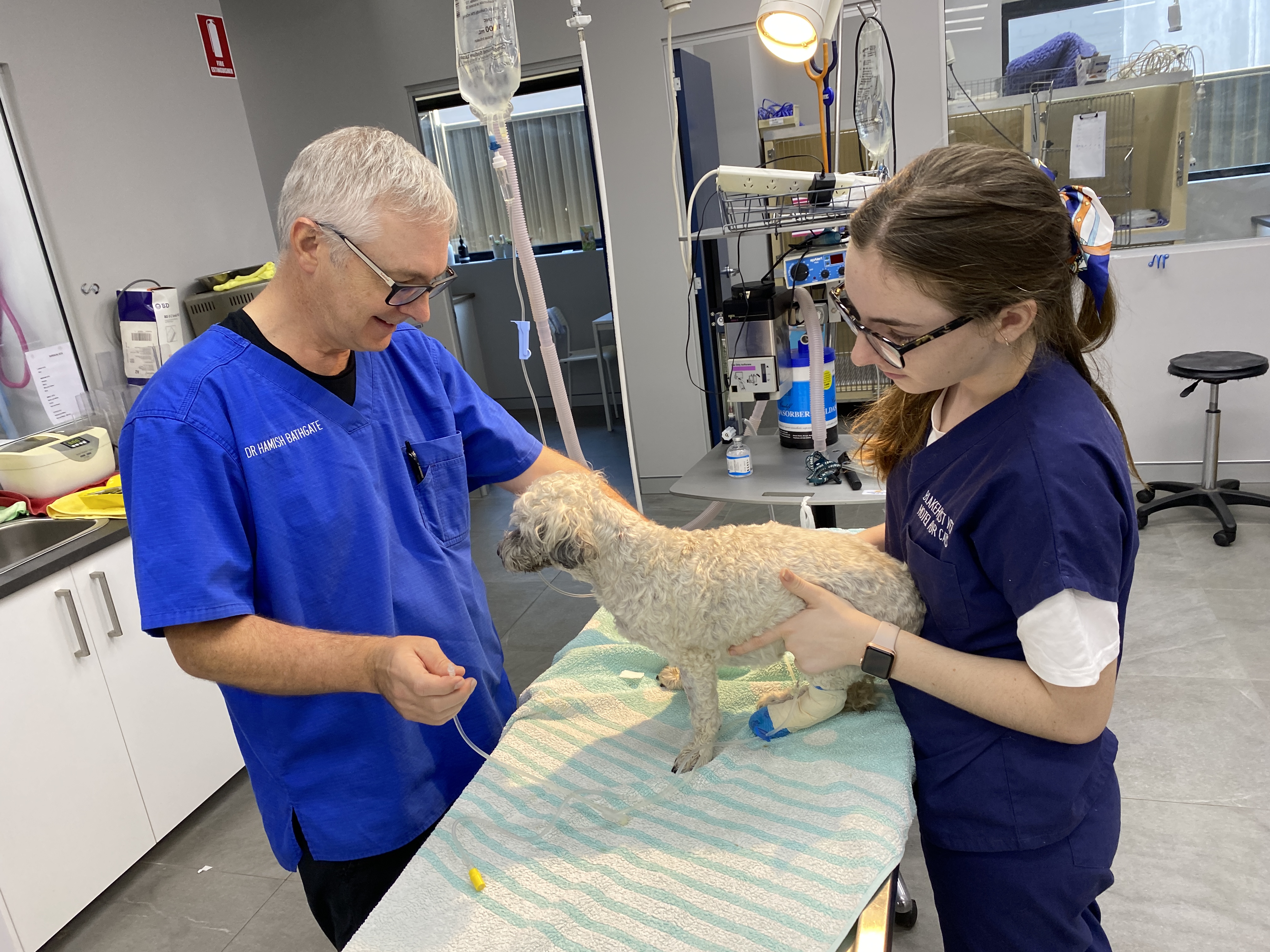
As surgery day arrives, knowing what happens during the procedure can ease your mind. Our dedicated team ensures your pet feels safe and cared for throughout.
What Happens in Pet Surgery
Once your pet arrives, we conduct a final check to ensure they’re ready. An anaesthetic is administered, allowing your pet to sleep peacefully during the operation. Our veterinarians then perform the surgery with precision, focusing on the specific needs of your pet.
Throughout the procedure, our team monitors vital signs closely. This ensures your pet remains stable and comfortable. It’s a detailed process, but one that’s designed to give your pet the best possible outcome. Knowing these details removes the mystery and helps you feel more connected to your pet’s journey.
Keeping Pets Calm and Comfortable
Keeping your pet calm is crucial, and it starts with the environment. Our clinic is designed to be quiet and soothing, reducing stress for both pets and owners. During the procedure, we use gentle handling techniques to ensure your pet remains relaxed.
We also employ advanced anaesthesia monitoring. This not only maintains your pet’s comfort but also ensures their safety. After surgery, we continue to provide a calming atmosphere as your pet begins to wake up, reducing anxiety and promoting a peaceful recovery.
Post-Surgery Recovery
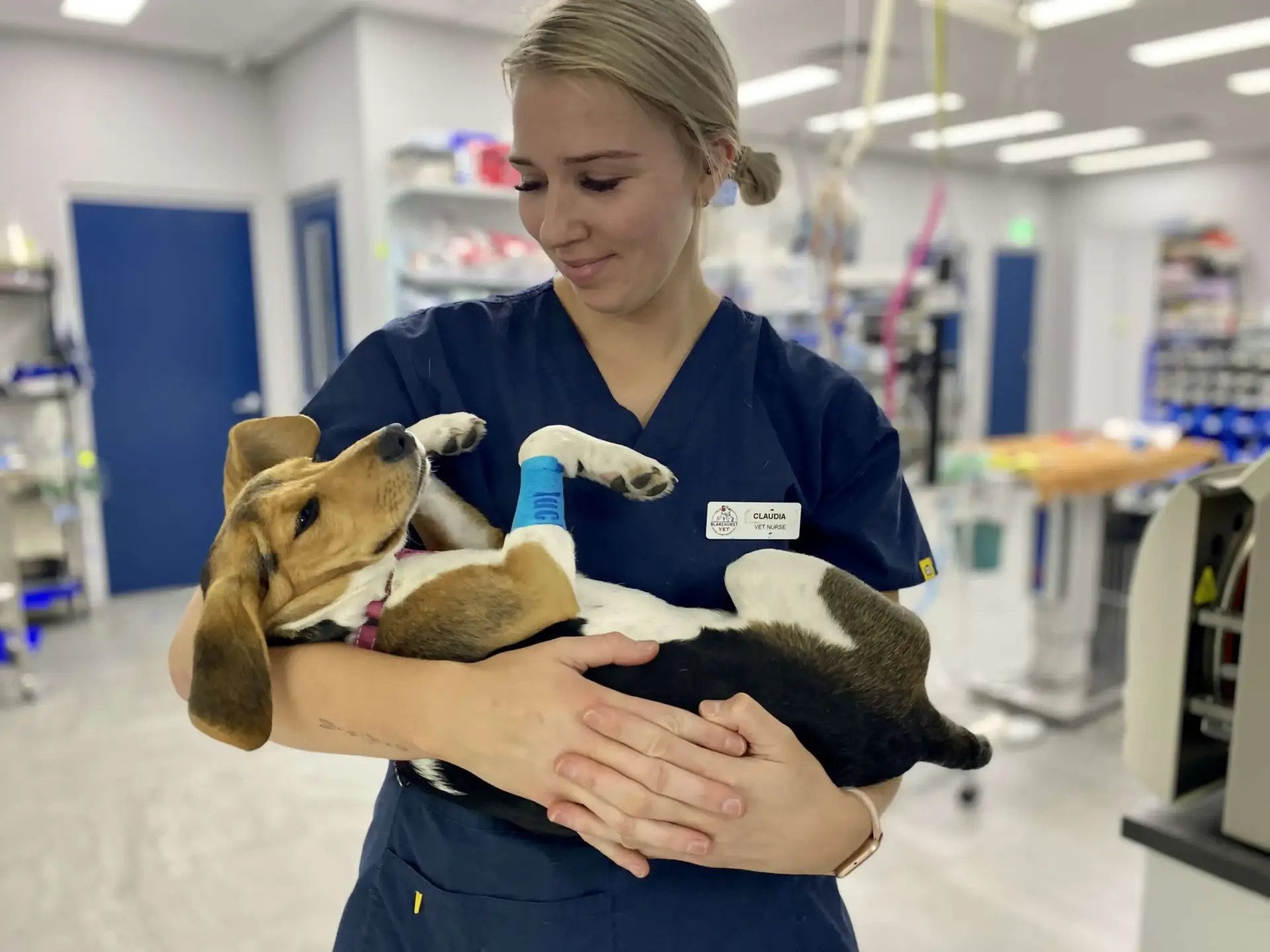
After surgery, your focus shifts to helping your pet recover smoothly. With the right care, you can ensure a speedy return to their happy, playful self.
Ensuring a Smooth Surgical Recovery
The first few days after surgery are crucial. Keep your pet in a quiet, comfortable space to rest. Limit physical activity to prevent stress on healing incisions. Follow the vet’s instructions on medication to manage pain and prevent infections.
Here’s the key insight: Consistency is vital. Sticking to a regular schedule for feeding, medication, and check-ups helps your pet heal faster. It’s all about creating a routine that supports their recovery and makes them feel secure.
Monitoring Pet Health After Surgery
Watch for any unusual signs such as swelling or lethargy. These could indicate a complication and should be addressed promptly. Regular check-ins with our team at Blakehurst Vet ensure your pet is on the right track.
Most people think that only major symptoms matter, but even small changes in behaviour can be significant. Trust your instincts as a pet owner. If something feels off, don’t hesitate to reach out. We’re here to support you and your pet through every step of recovery.
Support from Blakehurst Vet
At Blakehurst Vet, support doesn’t end when you leave the clinic. Our team is always ready to answer your questions and provide guidance. You’re part of our community, and we’re committed to helping your pet live a healthy, happy life.
Whether it’s a follow-up appointment or a quick phone call to ease concerns, we’re just a reach away. Our personalised care and expert advice ensure you’re never alone in caring for your pet’s health. Thank you for trusting us with their wellbeing. Together, we’ll make their recovery a success.