
The Truth About Dental Disease in Dogs and Cats
Dental disease in pets sneaks up quietly but hits hard. Too many dogs and cats show pain only when the damage is deep. At Blakehurst Vet, we see how early checks and simple care can keep your furry mate comfortable and healthy for years. Let’s clear up what dental disease really means for your pet—and why it matters now.
Understanding Dental Disease in Pets
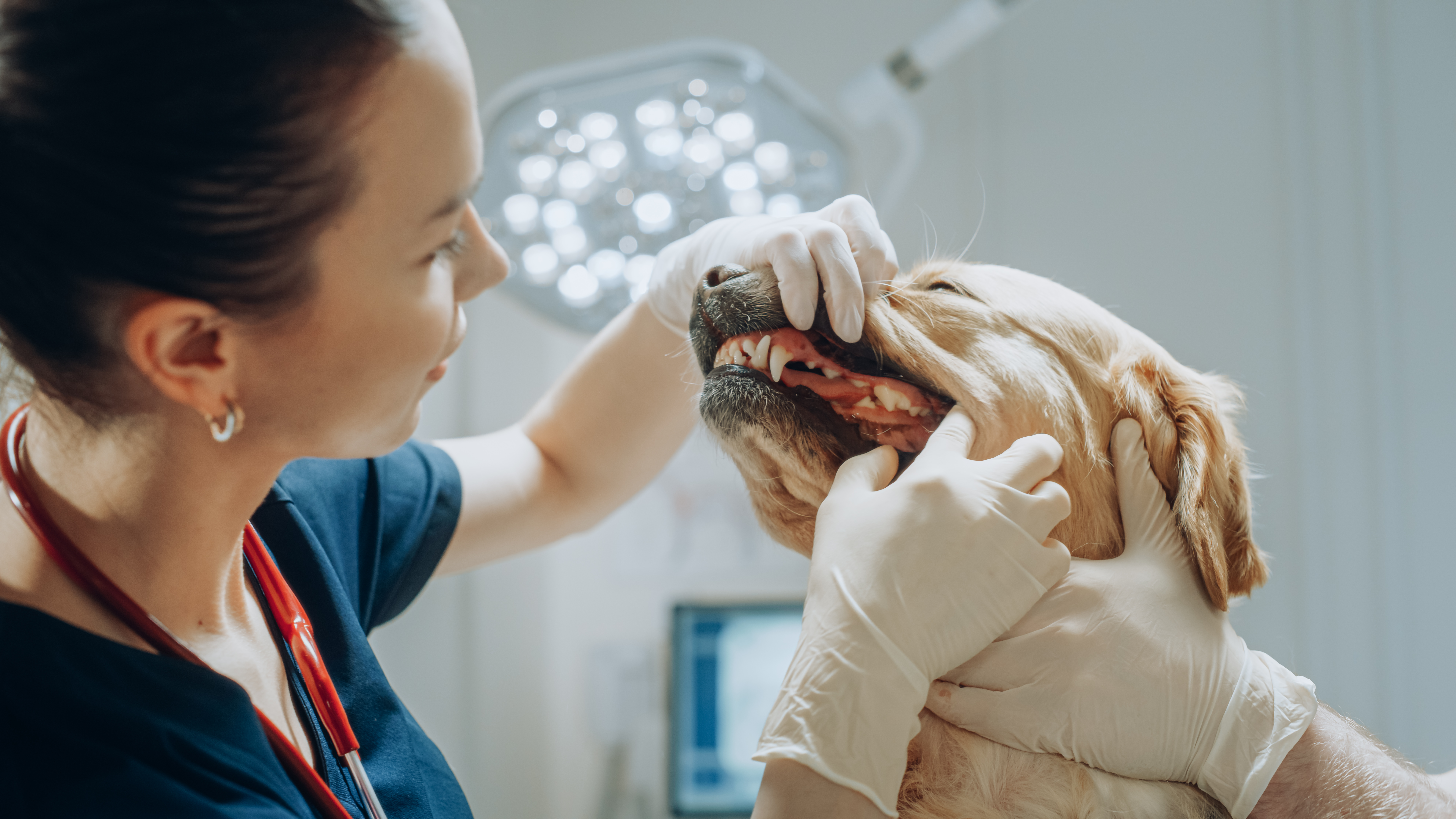
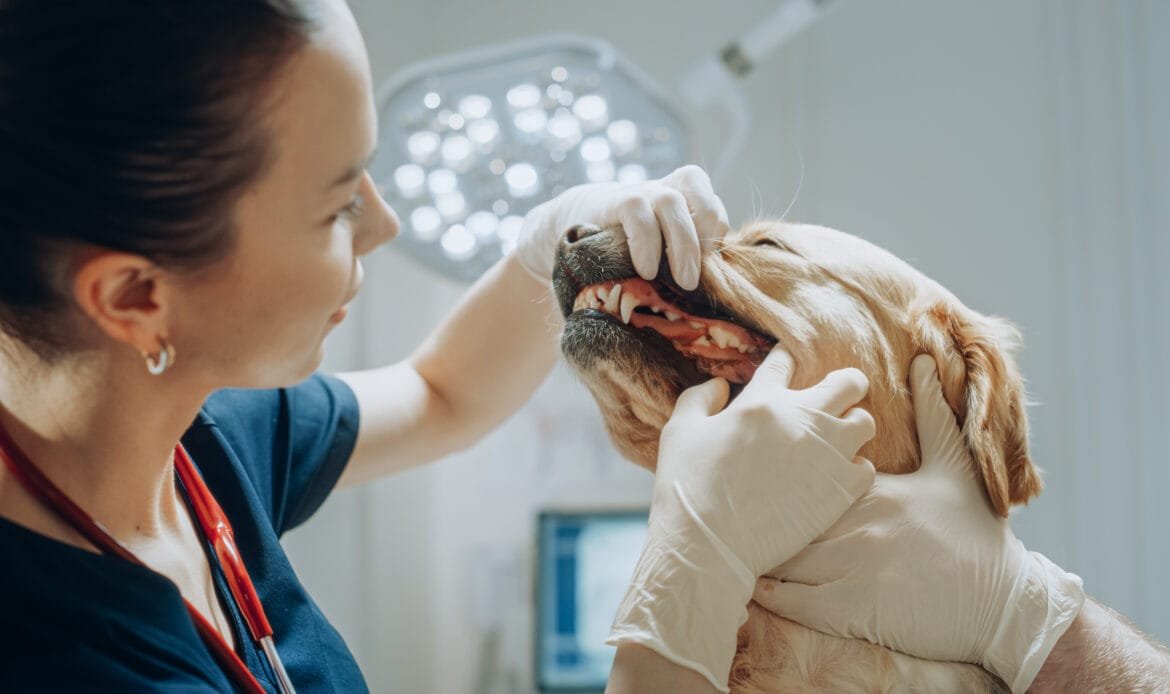
Dental disease in pets often goes unnoticed until it’s severe. Many pet owners are surprised to learn that this common issue can affect their furry friend’s overall health. Let’s explore the telltale signs and how dental disease can impact your beloved pet’s wellbeing.
Common Signs and Symptoms
Imagine your dog or cat hiding a toothache. Pets are masters at masking pain, making it hard to spot dental issues early. Bad breath is often the first clue. If your pet’s kisses smell foul, it might be time for a dental check.
Watch for red or bleeding gums. These can indicate inflammation, which could lead to severe problems like gum disease. Also, pay attention if your pet is reluctant to eat hard foods or is drooling more than usual. These behaviours signal discomfort and the need for a vet visit.
Remember, spotting these signs early makes a world of difference. A pet with a healthy mouth is a happier pet. And with the right care, you can keep those tails wagging and purrs rumbling for years to come.
Impact on Overall Health
Dental disease doesn’t just stop at the mouth. It can lead to serious health issues affecting your pet’s whole body. When bacteria from gum disease enter the bloodstream, they can damage vital organs like the heart, liver, and kidneys.
Think about it—your pet’s smile affects more than just their looks. Infections can spread silently and cause long-term harm. This is why dental checks are so crucial. They act as a protective shield, keeping your pet safe from hidden threats.
Here’s the key insight: Regular dental care can add years to your pet’s life. The longer you wait, the more damage occurs. Make dental health a priority today, and your pet will thank you with every wag and purr.
Dog Dental Health Essentials
Now that we’ve understood the broader impacts, let’s focus on our canine companions. Dogs need specific care to maintain their dental health. Regular check-ups and preventive tips can ensure your dog stays healthy and happy.
Importance of Regular Check-Ups
Many people think dogs naturally maintain their teeth. But much like humans, dogs need dental check-ups to prevent issues. Vets can spot problems early, saving your pet from pain and you from costly treatments down the line.
Imagine catching a problem before it starts. Routine dental exams can identify plaque buildup and gum disease early. Regular check-ups aren’t just a chore—they’re a lifesaver. They help keep your dog’s tail wagging and their energy levels high.
By committing to regular visits, you’re investing in your dog’s future. It’s a simple step with a big payoff: a healthier, happier life for your furry friend.
Tips for Preventive Pet Care
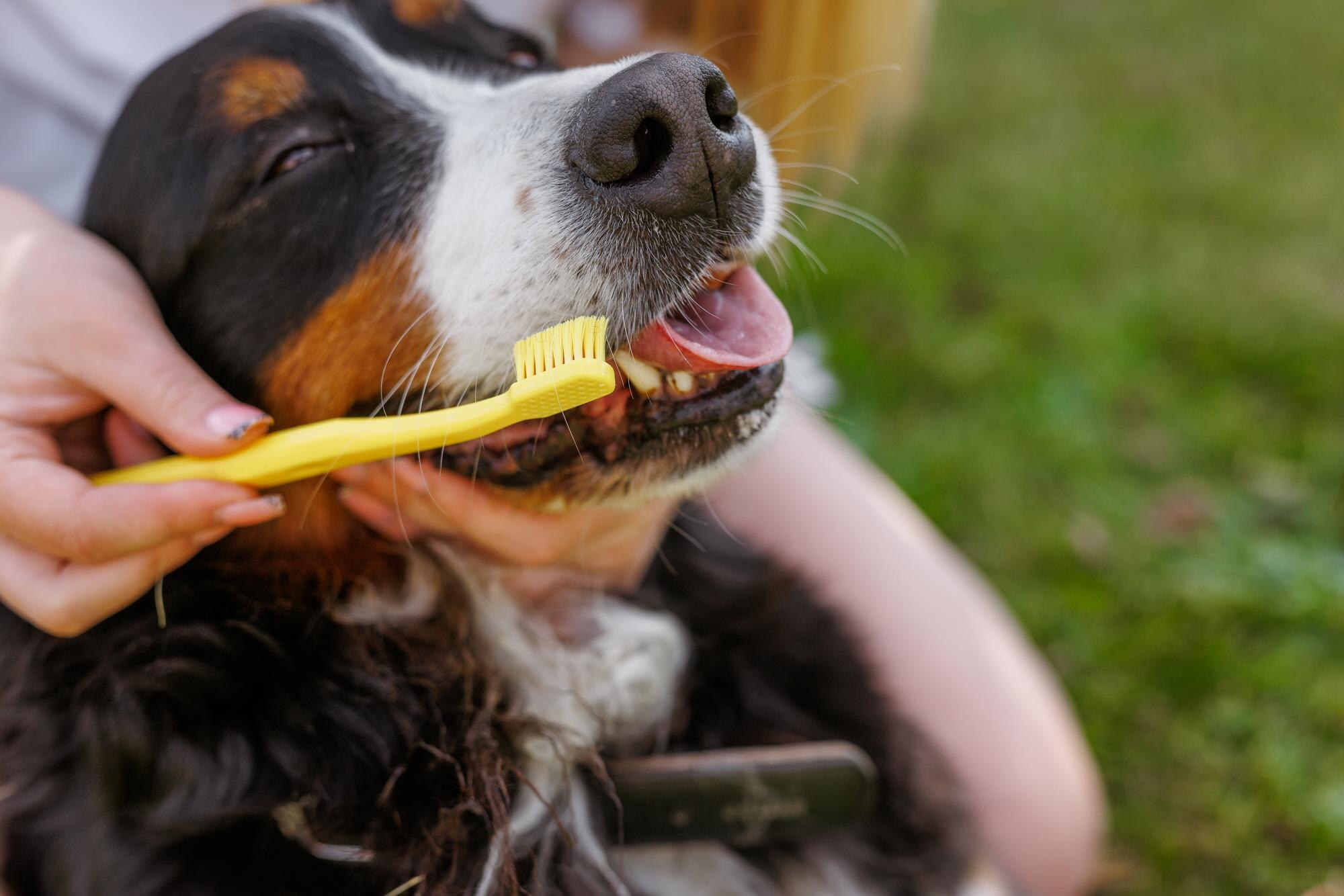
You can take steps at home to protect your dog’s teeth between vet visits. Daily brushing is the gold standard. Use a pet-safe toothpaste and make it a fun routine. Your dog might resist at first, but gentle persistence pays off.
Consider dental toys and treats that help clean teeth. These products can reduce plaque and tartar while keeping your dog entertained. But remember, they’re supplements—not substitutes—for brushing.
Here’s where most people go wrong: thinking treats alone are enough. The truth is, a combination of brushing, toys, and vet visits offers the best defence against dental disease. Your dog’s health is worth the effort.
Cat Dental Care Tips
Cats often get less attention when it comes to dental health. Yet, they are just as susceptible to dental disease as dogs. Here’s how you can ensure your feline friend stays healthy and purrfect.
Recognising Dental Issues Early
Cats are experts at hiding pain, making it tricky for owners to spot dental issues. Look for subtle signs like avoiding hard food or dropping food while eating. These can indicate tooth pain or gum problems.
Another red flag is decreased grooming. Cats with dental pain may neglect their coats due to discomfort. Check for signs of drooling or bleeding from the mouth, as these require immediate attention.
Most people assume cats will show obvious signs of pain, but the opposite is true. Being observant and proactive can prevent minor issues from turning major. Regular vet visits will catch problems you might miss at home.
Maintaining Good Oral Hygiene
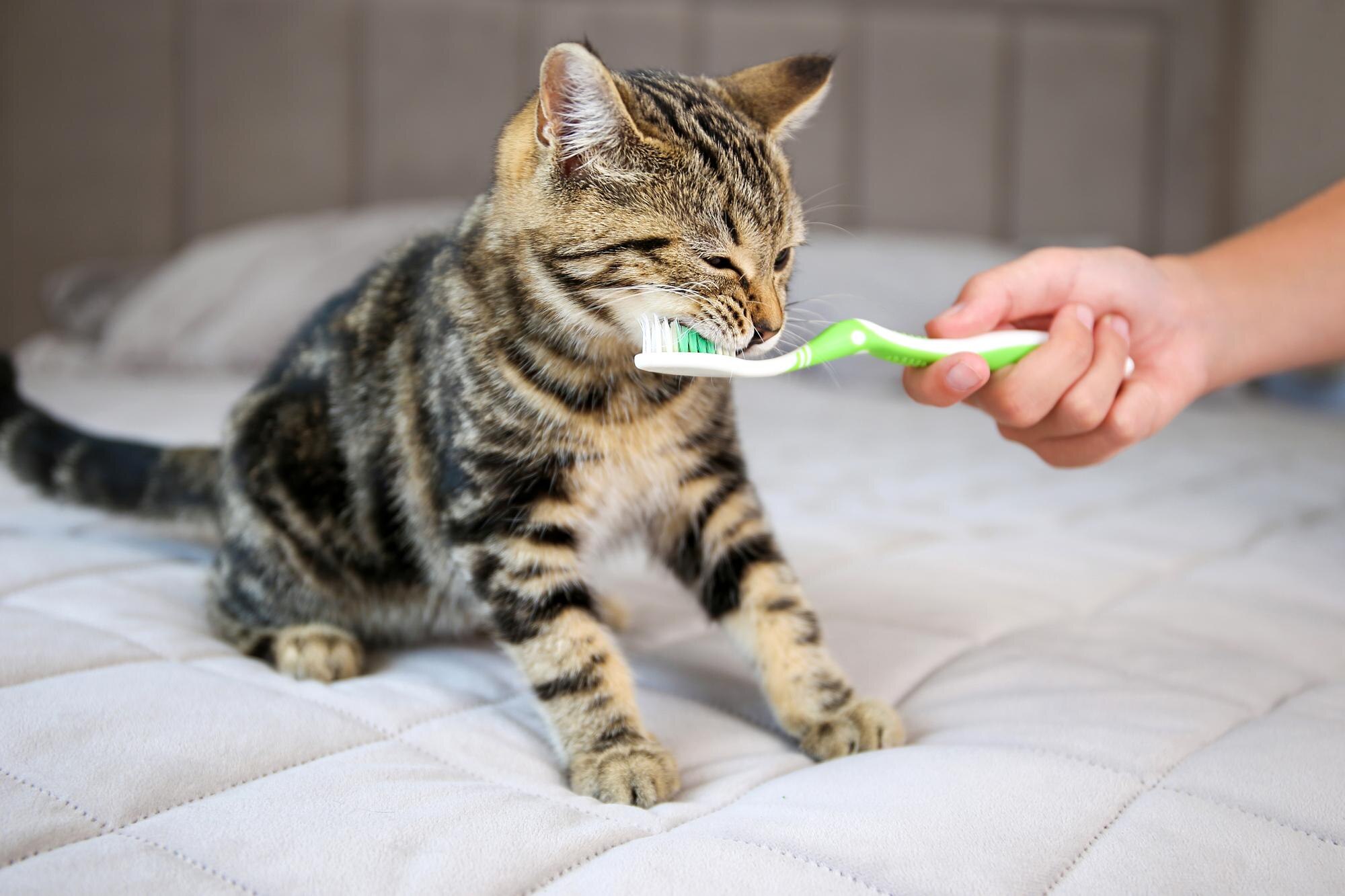
Keeping your cat’s teeth clean is simpler than you think. Start with a soft-bristled toothbrush and cat-specific toothpaste. Introduce brushing slowly, ensuring your cat stays calm and comfortable.
Additionally, consider dental diets or special treats designed to reduce tartar. These can complement brushing and help maintain oral health. But remember, they should never replace regular brushing and vet check-ups.
Here’s a tip: Many people underestimate the power of a good oral hygiene routine. By making it a habit, you’re setting your cat up for a lifetime of good health. It’s the small actions today that lead to big smiles tomorrow.
Understanding the significance of dental care is crucial for your pet’s overall health. At Blakehurst Vet, we’re here to support you with expert advice and services tailored to your furry friend’s needs. Prioritising their dental health today means extra years of joy and companionship tomorrow.