

Top strategies to manage pet anxiety and stress — from your local, trusted vet
Pet anxiety isn’t just “nervousness”—it can affect your pet’s health and happiness every day. You’ve probably spotted signs of stress but aren’t sure how to help at home or when to call the vet. We’ll share clear, practical strategies that work, so you and your pet feel safe and supported every step of the way.
Recognising Anxiety in Pets
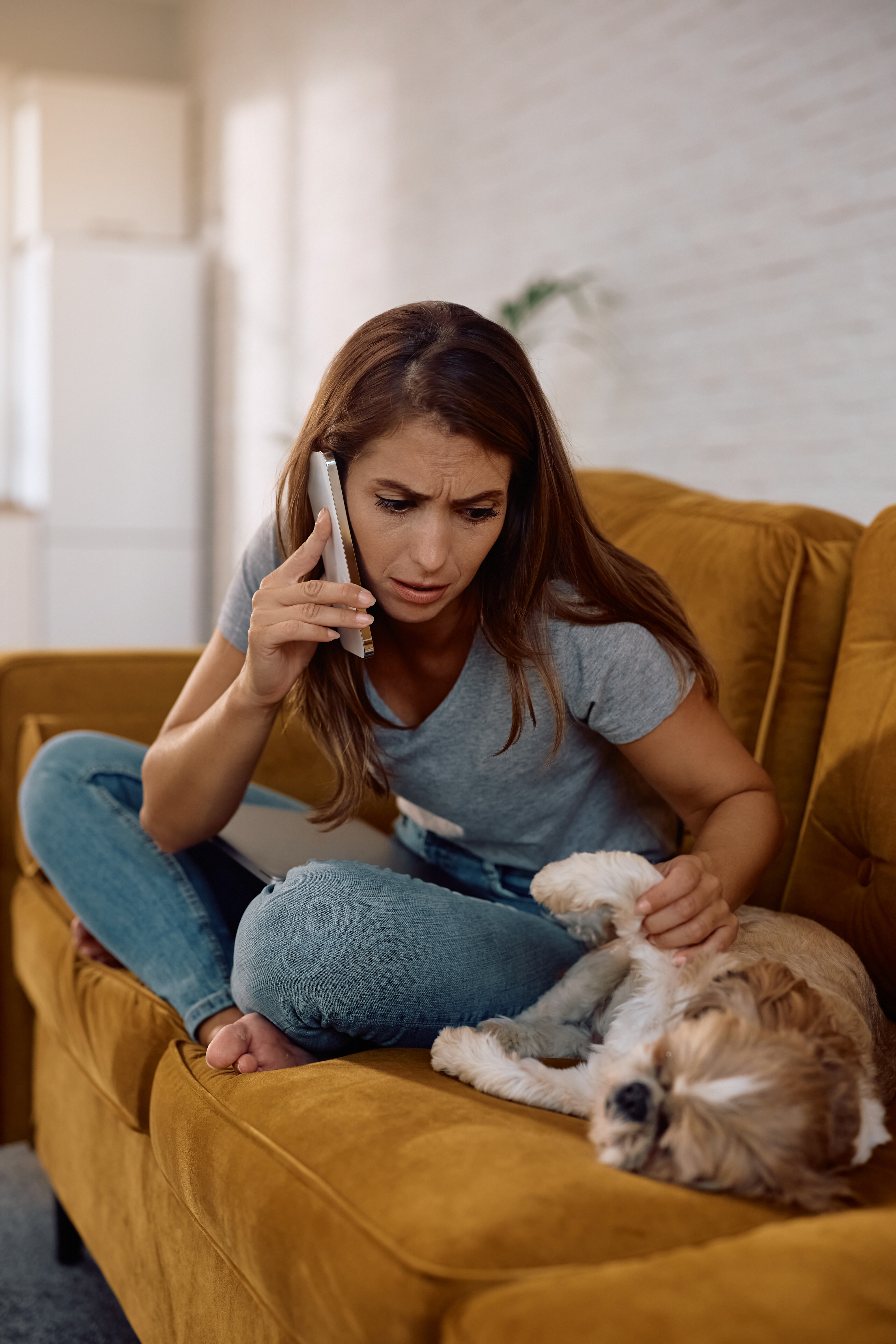
Understanding anxiety in pets is crucial for their wellbeing. It’s not just about spotting signs—it’s about knowing when to seek help. Let’s dive into recognising anxiety and the best time to reach out to a vet.
Common Signs of Pet Anxiety
Does your dog pace or your cat hide more often? These can be signs of anxiety. Pets may also show stress through excessive panting, drooling, or destructive behaviour. Dogs might bark more or have accidents indoors, while cats might groom excessively or refuse food. Separation anxiety in dogs is common, leading to these behaviours when left alone.
Every pet is unique, so it’s important to notice changes in their usual behaviour. For instance, if your usually playful dog becomes withdrawn, it might be feeling anxious. Consistently observing these signs can help you understand your pet better.
Thunderstorm anxiety and fireworks and pets are other triggers that can cause your pet to act out. Knowing these signs allows you to take action before stress becomes overwhelming.
When to Seek Veterinary Advice
When should you call the vet? If your pet’s behaviour changes suddenly or severely, it’s time to consult a professional. Persistent anxiety can affect your pet’s health, so don’t hesitate to seek expert advice. Vet Blakehurst is here to help with personalised and compassionate care.
Sometimes, anxiety masks underlying health issues. A professional check-up ensures nothing is overlooked. If your pet’s anxiety doesn’t improve with home strategies, a vet can provide tailored solutions, like behaviour consults or medications. Remember, early intervention can prevent more serious problems.
At-Home Calming Strategies
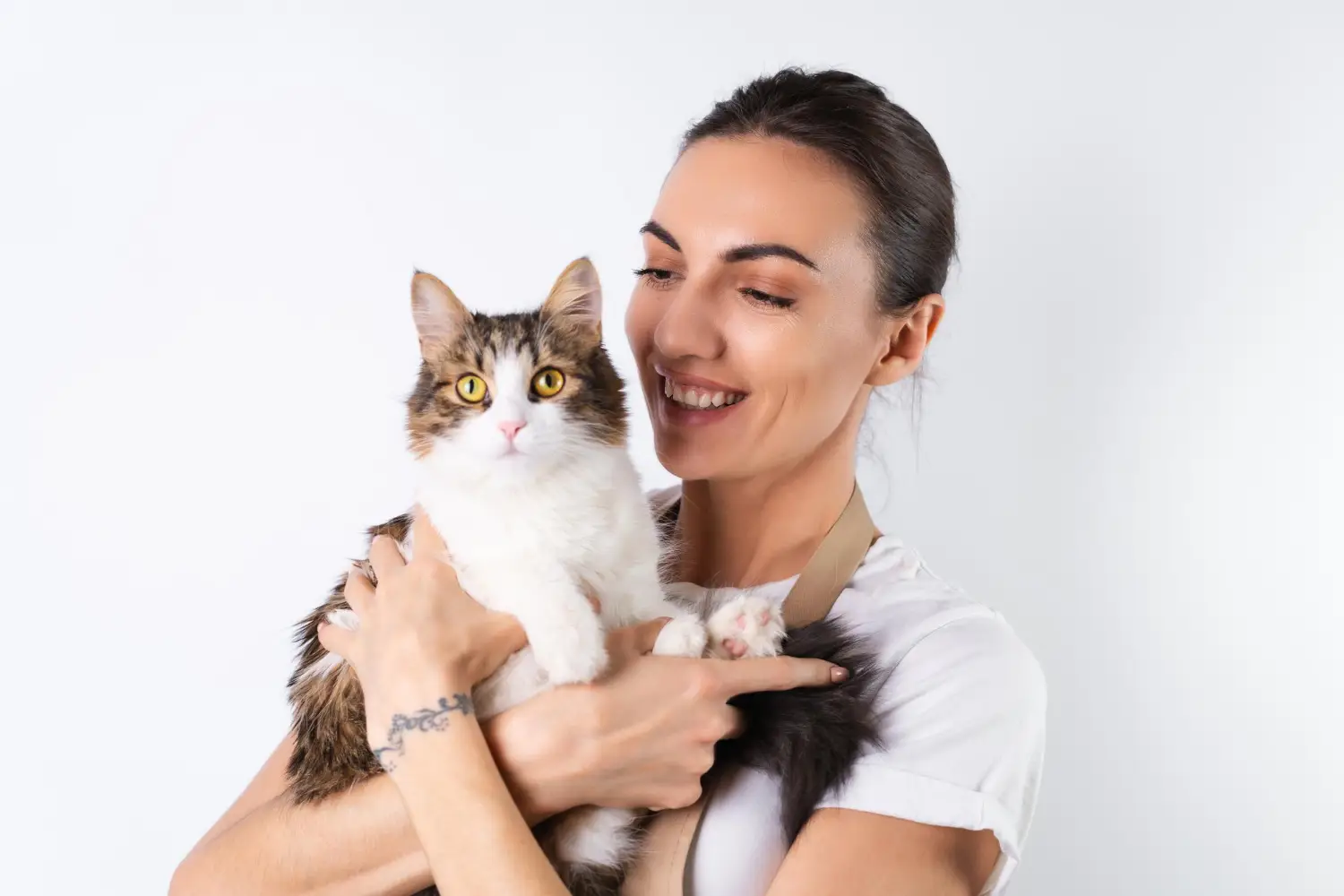
Feeling lost on how to calm your pet at home? Don’t worry. There are simple techniques you can try to create a more relaxing environment for your furry friend.
Simple Techniques for Dogs and Cats
Calming your pet doesn’t have to be complicated. Pheromone diffusers for pets can create a soothing atmosphere. These devices mimic natural calming scents that can help reduce anxiety. For dogs, a snug-fitting shirt—like a ThunderShirt—can provide comfort during stressful events.
Interactive toys and puzzle feeders keep your pet’s mind busy and distracted from anxiety triggers. Regular play sessions can also work wonders. A tired pet is often a calm pet, so incorporate daily exercise tailored to your pet’s needs. For cats, try cat friendly tips like high perches and quiet spaces.
Importance of Routine and Environment
Did you know that a consistent routine can greatly reduce pet anxiety? Pets thrive on predictability. Feeding, walking, and playtime should happen at the same time daily. This stability helps pets feel secure and reduces anxiety.
Your home environment plays a big role, too. Ensure your pet has a quiet space to retreat to when it feels stressed. Keep loud noises and disturbances to a minimum, especially during known triggers like thunderstorms or fireworks. A safe, calm space is a haven for an anxious pet.
Planning a Calm Vet Visit
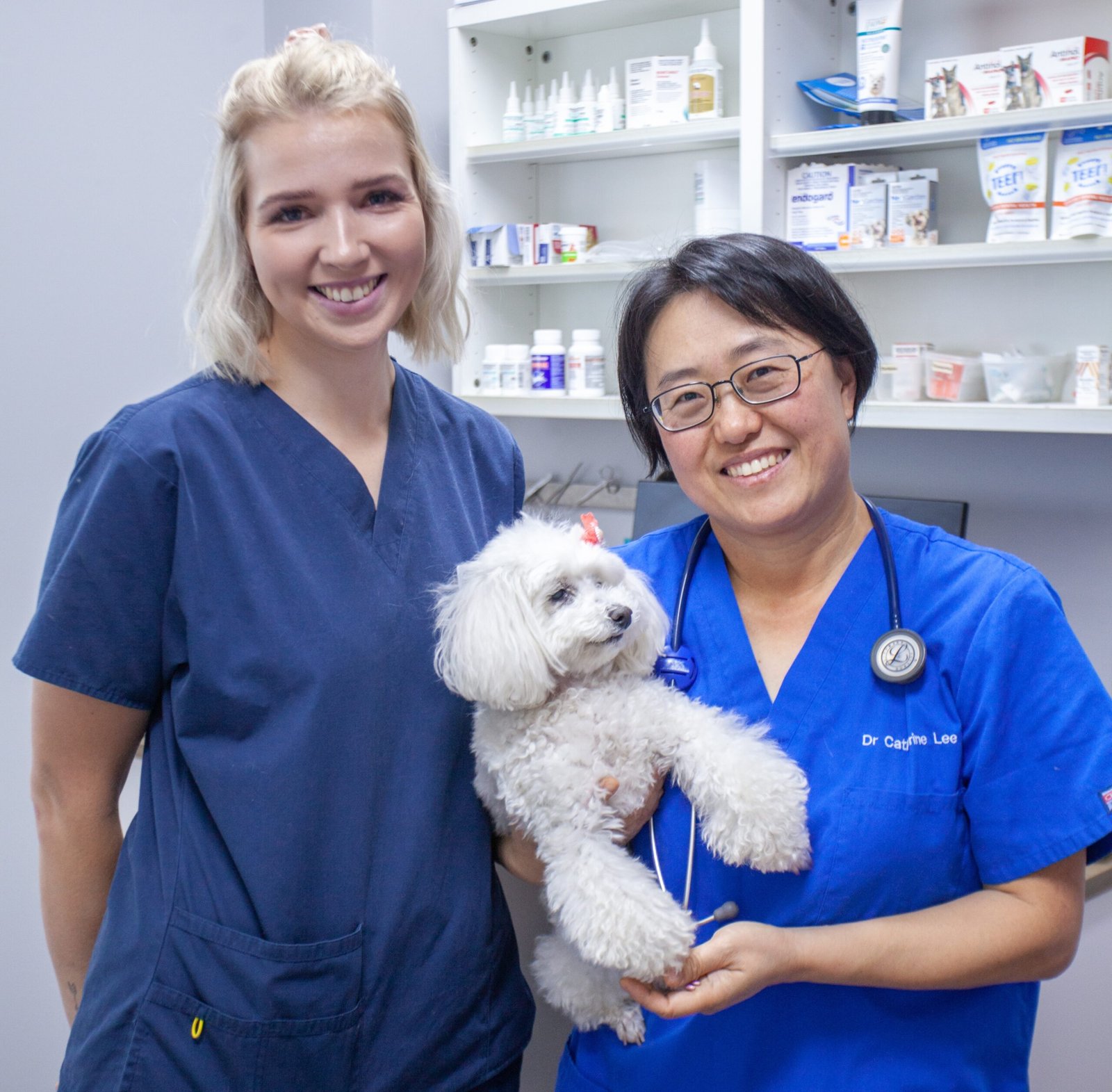
Vet visits can be challenging, but with preparation, they don’t have to be stressful. Here’s how you can ease your pet’s anxiety when it’s time for a check-up.
Preparing Your Pet for the Clinic
Start with short practice trips to the vet. Let your pet get used to the car ride without the stress of a real appointment. Use treats to build positive associations with the vet clinic environment. Before visits, engage your pet in a vigorous play session to burn off nervous energy.
Update your pet’s carrier or leash to ensure comfort and security during the trip. For cats, cover the carrier with a blanket to minimise visual stressors. These steps can transform a dreaded trip into a manageable experience.
Benefits of Fear-Free Handling
At Sydney vet clinic, fear-free handling is our priority. We focus on gentle techniques to minimise stress during exams. This compassionate approach ensures your pet’s comfort and promotes a positive association with vet visits.
Low-stress vet care doesn’t just help your pet; it brings peace of mind to you too. Knowing your vet prioritises your pet’s wellbeing makes every visit smoother. Our expert team is here to support you and your pet every step of the way, ensuring a calm and caring experience.
By understanding pet anxiety and employing at-home calming strategies, you can improve your pet’s quality of life. Regular vet visits with our compassionate team at Vet Blakehurst ensure your pet receives the best care. Thank you for trusting us with your furry family members. Your pet’s happiness and health are our top priorities.