
Do Pets Recognise Their Names? What Studies Say about Sound Recognition and Training
Most pet owners notice their furry friend perks up when called by name—but how much do pets really understand? Studies on pet name recognition and sound recognition in pets reveal surprising details about what’s going on behind those eyes. At Blakehurst Vet, we combine expert knowledge with practical pet training tips to help you strengthen communication and deepen your bond. Let’s explore what science says and how you can help your pet respond better to their name.
Understanding Pet Name Recognition
The way pets respond when you call their name is fascinating. Let’s dig into how they actually recognise sounds and what studies say about their ability to identify their own names.
How Pets Recognise Sounds
You might wonder, “How does my pet know I’m calling them?” It all starts with sound recognition. Pets interpret sounds through patterns. In simple terms, they associate a particular sound with an action or outcome. For example, your dog might recognise the jingle of keys as a sign you’re leaving or coming home.
Studies show that pets can differentiate between familiar and unfamiliar sounds. They often react positively to the familiar sounds they associate with positive experiences. This repetition creates a link, helping them recognise and respond to their name. The process is similar to how they understand commands or routines.
Studies on Name Recognition
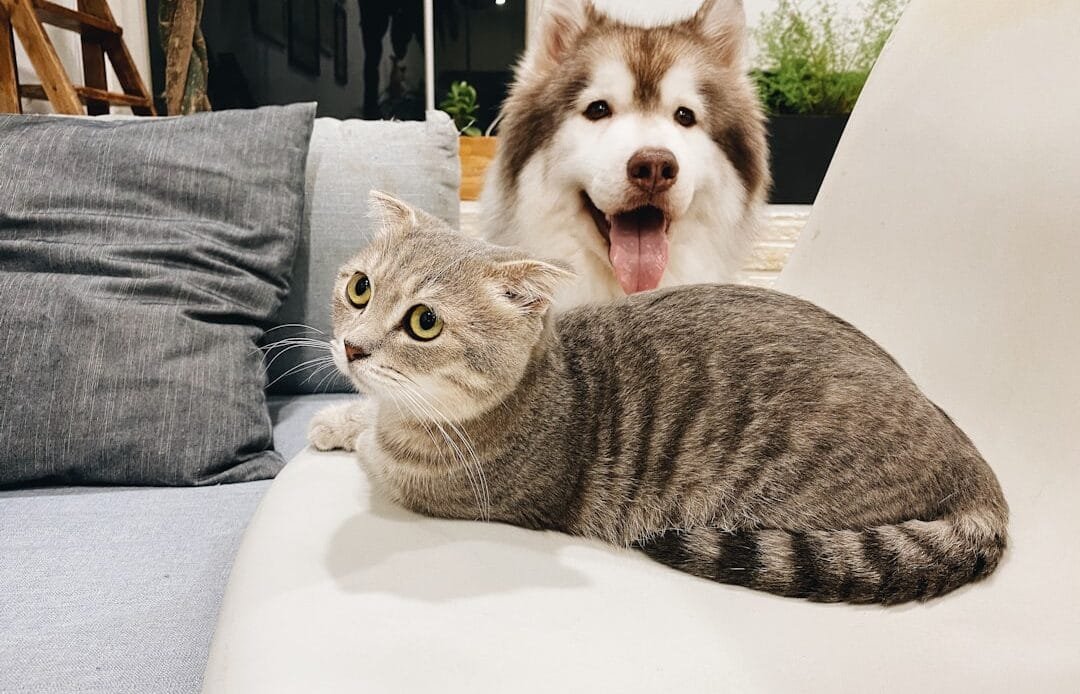
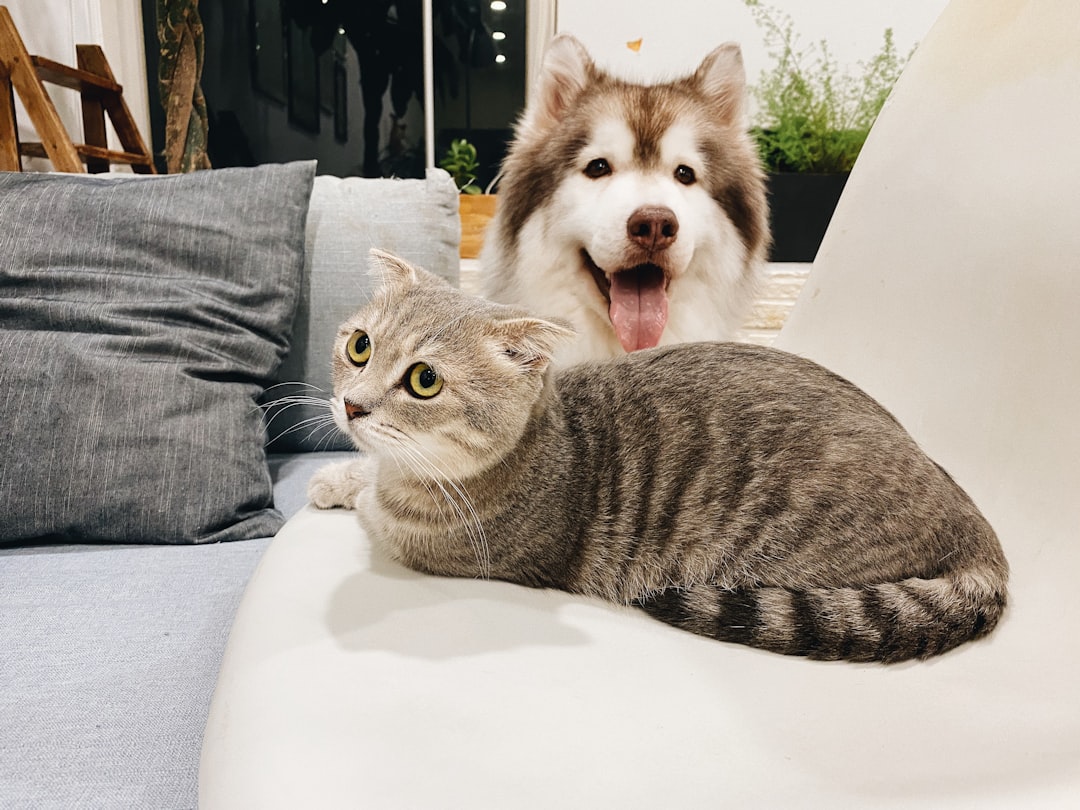
Research indicates that pets, especially dogs, can comprehend specific sound patterns. A study observed that dogs responded more frequently to names than random words. This suggests that dogs do recognise their names as distinct from other sounds. Cats, though more independent, also show signs of name recognition. They may not rush over like dogs, but there’s a subtle acknowledgment—maybe a twitch of the ear or a flicker of the tail.
Interestingly, name recognition isn’t just about the sound itself. The tone and pitch you use also play a role. Pets pick up on these vocal cues, which help them differentiate between regular chatter and a direct call.
Training Tips for Better Communication
Now that we know pets recognise their names, let’s enhance that communication. Here are some practical tips you can use right away.
Enhancing Name Recognition
Getting your pet to respond more reliably to their name involves a few simple steps:
Consistency is key. Use your pet’s name consistently during positive interactions. This reinforces the connection between their name and a good experience.
Reward them. When your pet responds to their name, offer a treat or affection. This positive reinforcement encourages them to react the next time.
By keeping these steps straightforward and consistent, you’ll see improvement. It’s all about making their name a signal for something positive.
Effective Sound Recognition Techniques
Beyond names, you can teach your pet to recognise other sounds. Try these techniques:
Use a specific sound for commands. Whether it’s a clicker or a word like “come,” pairing it with positive outcomes helps your pet recognise and respond to it.
Practice regularly. The more you practice, the stronger the recognition becomes. Short, frequent sessions work best.
Remember, patience is essential. Every pet learns at their own pace, so celebrate small victories along the way.
Blakehurst Vet’s Role in Pet Communication
At Blakehurst Vet, we understand the bond between you and your pet. Here’s how we can help enhance your communication.
Personalised Consultation Benefits
Our team offers personalised consultations tailored to your pet’s needs. Whether it’s working on name recognition or addressing other challenges, we’re here to guide you. Moreover, our approach combines expert advice with a warm, caring touch, ensuring both you and your pet feel fully supported.
Building Stronger Bonds with Your Pet 🐾
By understanding your pet’s communication style, you build a stronger bond. Our experienced vets at Blakehurst Vet offer insights and techniques tailored to your furry friend. With our help, you’ll enhance your pet’s recognition skills and deepen your connection.
In the end, effective communication with your pet isn’t just about commands—it’s about building trust and understanding. At Blakehurst Vet, we’re here to support you every step of the way.