

Understanding the Slow Blink: Building Trust with Your Feline Friend
The slow blink is more than a cute cat quirk—it’s a key part of feline communication that says, “I trust you.” When your cat gives you this gentle signal, it’s their way of building a quiet bond. Understanding this simple gesture can deepen your connection and help you read your cat’s body language with more confidence. Let’s look closer at how the slow blink speaks volumes about cat trust and behaviour.
The Science of the Slow Blink
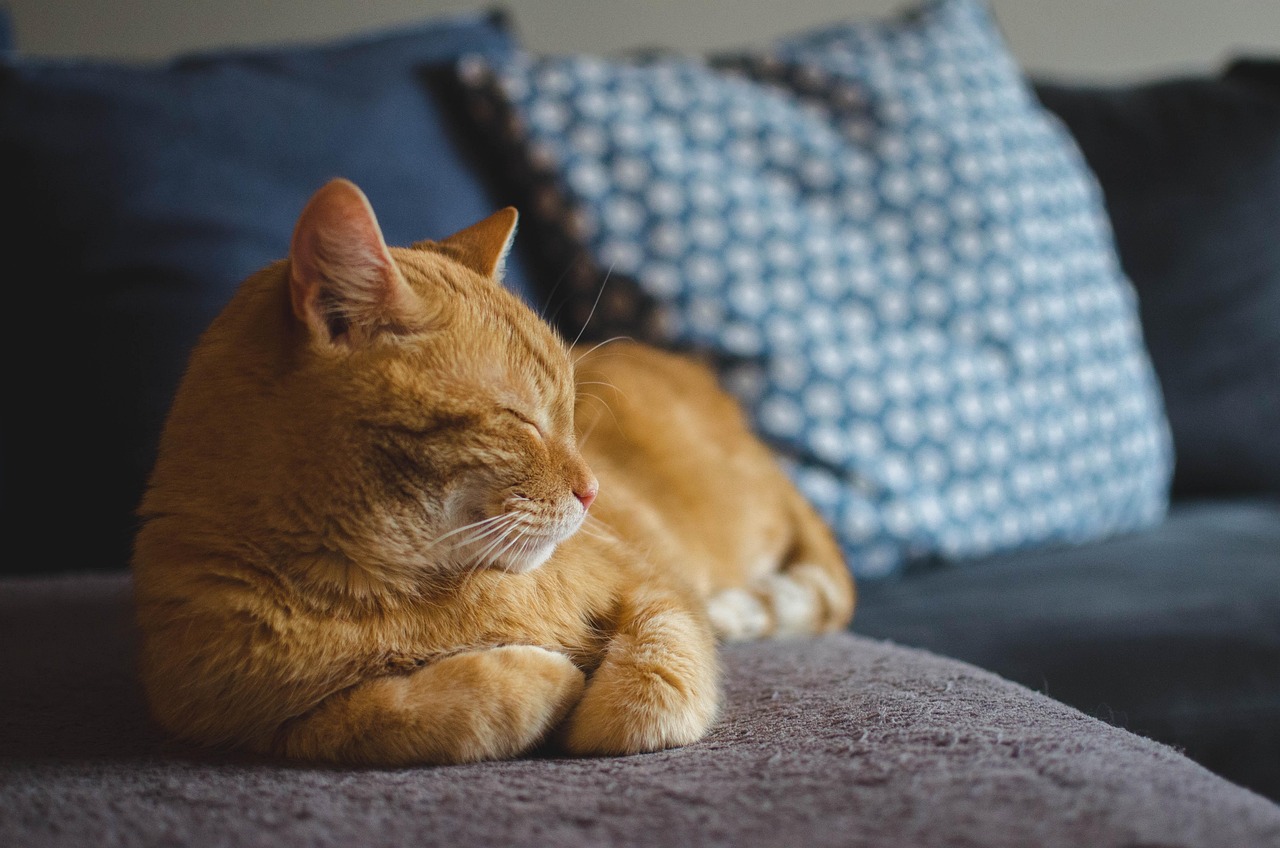
Cats have a unique way of communicating, and the slow blink is a fascinating part of their language. This gentle gesture can tell you a lot about your cat’s feelings and intentions.
Understanding Feline Communication
Ever wonder what your cat is trying to say? Cats use their eyes to communicate just as much as their vocal cords. The slow blink is one of the clearest signals your cat can give. It’s like a cat’s version of a warm smile. When your cat blinks slowly at you, it’s a sign of trust and affection. This behaviour is not just cute; it’s a powerful message. It means your cat feels safe and relaxed around you.
In a world where cats can be mysterious, the slow blink is a straightforward way to understand them better. Most people think cats are aloof, but this small action shows they can be quite social. When you respond with your own slow blink, you’re telling your cat you feel the same way. It’s a simple yet effective way to build a closer relationship with your furry friend.
The Significance of the Slow Blink
The slow blink is more than just a friendly gesture. It’s a window into your cat’s world, showing they trust you. This simple act can deepen your bond, making your cat feel more comfortable and secure. By returning a slow blink, you reinforce this trust.
Many cat owners overlook the importance of the slow blink. They might see it as a random blink or ignore it altogether. But understanding this gesture can transform how you interact with your cat. It’s a small action with a big impact. The longer you wait to recognise this sign, the more you miss out on these special moments. So next time your cat gives you a slow blink, reply with your own. You’ll be speaking their language and strengthening your connection.
Building Trust with Your Cat
Once you grasp the slow blink’s meaning, you can focus on building trust with your cat. Trust is the foundation of any strong relationship, and with cats, it’s no different.
Strengthening Cat Trust
Trust isn’t built overnight, especially with cats. They need time to feel truly comfortable. Start by recognising their signals. If your cat gives you a slow blink, it’s a sign you’re on the right track. Responding in kind shows you understand them, and this can go a long way in building trust.
Providing a consistent routine can also help. Cats thrive on predictability. Feeding them at the same times, maintaining a regular play schedule, and offering them a safe space can make them feel secure. Patience is key. Rushing your cat can have the opposite effect, making them wary instead of trusting. Remember, building trust takes time, but the rewards are worth it.
Recognising Feline Body Language
Cats communicate through more than just their eyes. Observing their body language can give you a fuller picture of their mood and intentions. A relaxed cat might lay with its belly exposed, while a tense cat may twitch its tail or flatten its ears back.
Tail movements, ear positions, and even the way they hold their whiskers can tell you a lot. A cat with a high tail is usually happy, while a low tail might indicate unease. Listening to these signals helps you respond appropriately, making your cat feel understood and cared for. Ignoring these cues means missing out on key insights into your cat’s world.
Enhancing Your Bond
Once trust is established, you can focus on creating a deeper bond with your feline friend. This involves fostering a peaceful environment and showing affection in ways your cat appreciates.
Creating a Calm Environment
A calm home is crucial for a happy cat. Cats are sensitive and can pick up on stress. Keeping your home noise levels down and providing safe, quiet spaces can help. Your cat will appreciate a comfy bed or a high perch to watch the world go by.
Consistency is key again. Cats like things to stay the same. Sudden changes can make them anxious. Stick to routines and provide familiar scents to keep them feeling secure. The more stable their environment, the more they’ll feel at ease. This foundation of calmness will enhance the bond you share.
Communicating Affection and Safety
Expressing love to your cat is more than just cuddles. It’s about showing them they’re safe and valued. Use soft tones when you talk to them, pet them gently, and respect their personal space. Cats love affection, but on their terms.
Most people think cats are independent and don’t need much attention, but that’s not true. They enjoy being with you, and small gestures mean a lot. Offering them a treat or a favourite toy shows you care. These actions reassure your cat that they’re in a loving, safe environment. The more you communicate this, the stronger your relationship will become.
By understanding the slow blink and other feline signals, you’re well on your way to a rewarding bond with your cat. Remember, trust and communication are at the heart of this relationship. With time and patience, you and your cat will enjoy a deep, meaningful connection.