
Caring for Your Pocket Pets: A Guide for Local Pet Owners
Pocket pets like guinea pigs, rabbits, and hamsters need more than just a cosy cage. Their health depends on the right care and attention every day. At Blakehurst Vet, we know the unique needs of small pets and offer practical advice to keep them thriving. Let’s walk through simple steps to support your pocket pet’s wellbeing with confidence.
Pocket Pets Basics
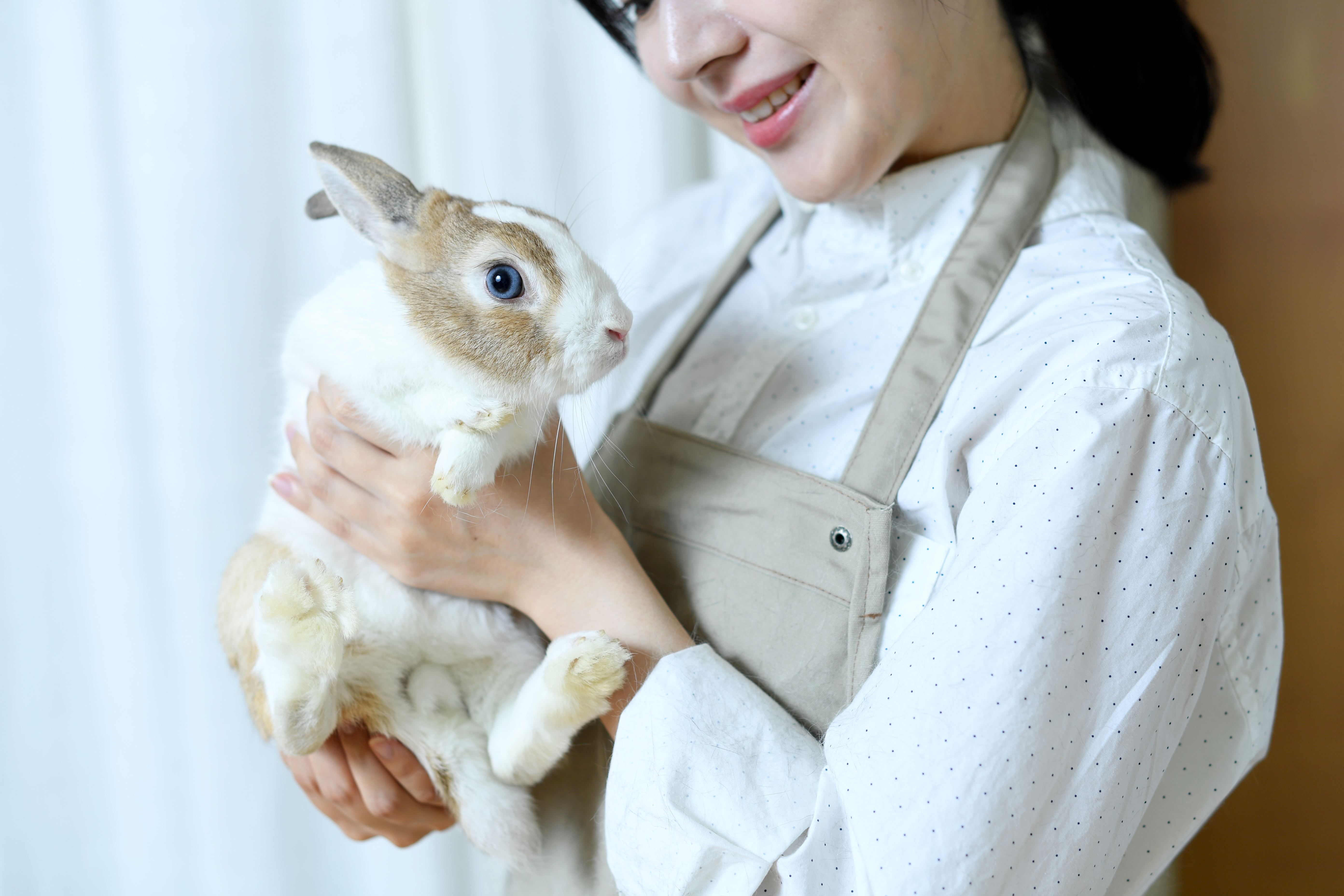
Understanding the unique needs of pocket pets is essential for ensuring their happiness and health. Let’s start by exploring what makes these small companions special and how to keep them at their best.
Understanding Your Pocket Pet
Pocket pets, like guinea pigs, rabbits, and hamsters, have distinct personalities and needs. It’s crucial to recognise these to provide the best care. Take guinea pigs, for example. They thrive in pairs and love having a friend around. This social nature means they need constant interaction. Hamsters, on the other hand, enjoy solitary play but need plenty of toys to keep them entertained.
Each type has its specific dietary needs too. Guinea pigs require vitamin C daily, while rabbits benefit from a diet high in hay. Knowing these details helps you cater to your pet’s unique requirements. Remember, understanding your pet leads to a bond that is both rewarding and joyful.
Small Pet Vet Visits
Regular check-ups are as important for pocket pets as they are for cats and dogs. These visits can catch early signs of common health issues, like dental problems in rabbits or respiratory infections in hamsters. At Blakehurst Vet, we ensure each visit is stress-free and thorough.
Preparation is key. Before a visit, note any changes in behaviour or eating habits. This information helps vets provide the best care. Most pocket pet owners wait too long, thinking their pet is fine. But early vet visits can prevent minor issues from becoming major problems. The peace of mind from regular check-ups is invaluable.
Guinea Pig Care Essentials
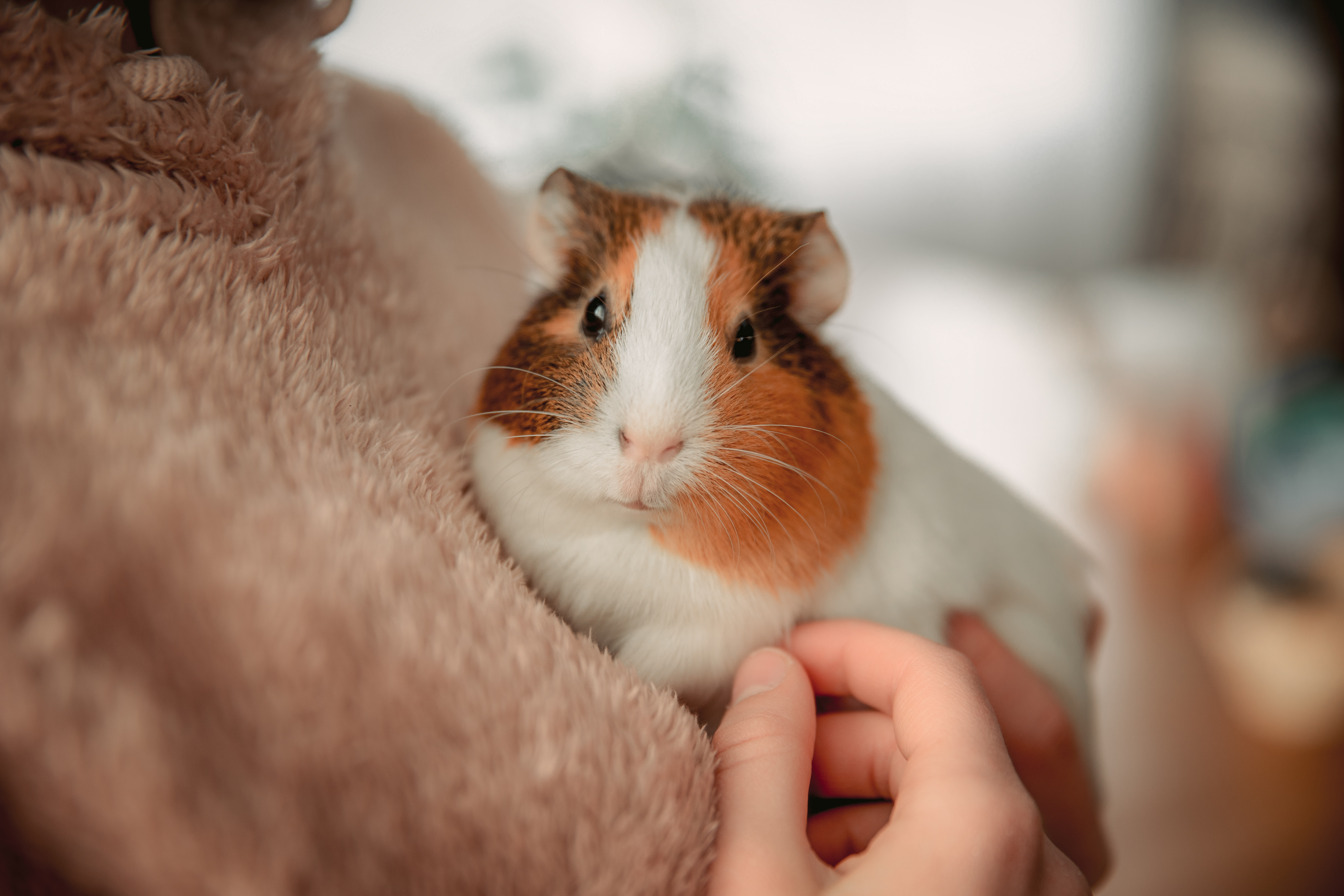
Guinea pigs are delightful pets, full of personality and charm. To keep your guinea pig healthy and happy, focus on their diet and living environment.
Nutrition Tips for Guinea Pigs
Feeding your guinea pig properly is crucial. These small pets need a diet rich in vitamin C. Fresh veggies like kale and bell peppers are excellent sources. Did you know guinea pigs can’t produce their own vitamin C? That’s why these foods are vital. Pellets designed specifically for guinea pigs also help maintain balanced nutrition.
It’s tempting to offer treats, but moderation is key. Too many sugary fruits can lead to obesity and other health issues. Always ensure fresh water is available. The right diet keeps your guinea pig active and prevents common health problems. Remember, a healthy diet is the foundation of a happy pet.
Creating a Comfortable Home
A well-set-up home is essential for your guinea pig’s wellbeing. They need space to roam, hide, and play. A cage with a solid bottom, lined with soft bedding, is ideal. Avoid wire floors as they can harm your pet’s feet. Guinea pigs love tunnels and huts, providing both entertainment and a sense of security.
Regular cleaning of their space prevents odours and keeps them healthy. Most people underestimate the importance of a clean environment for their pets. Yet, it directly impacts their health and happiness. Make your guinea pig’s home a sanctuary they can thrive in.
Rabbit Health and Wellbeing
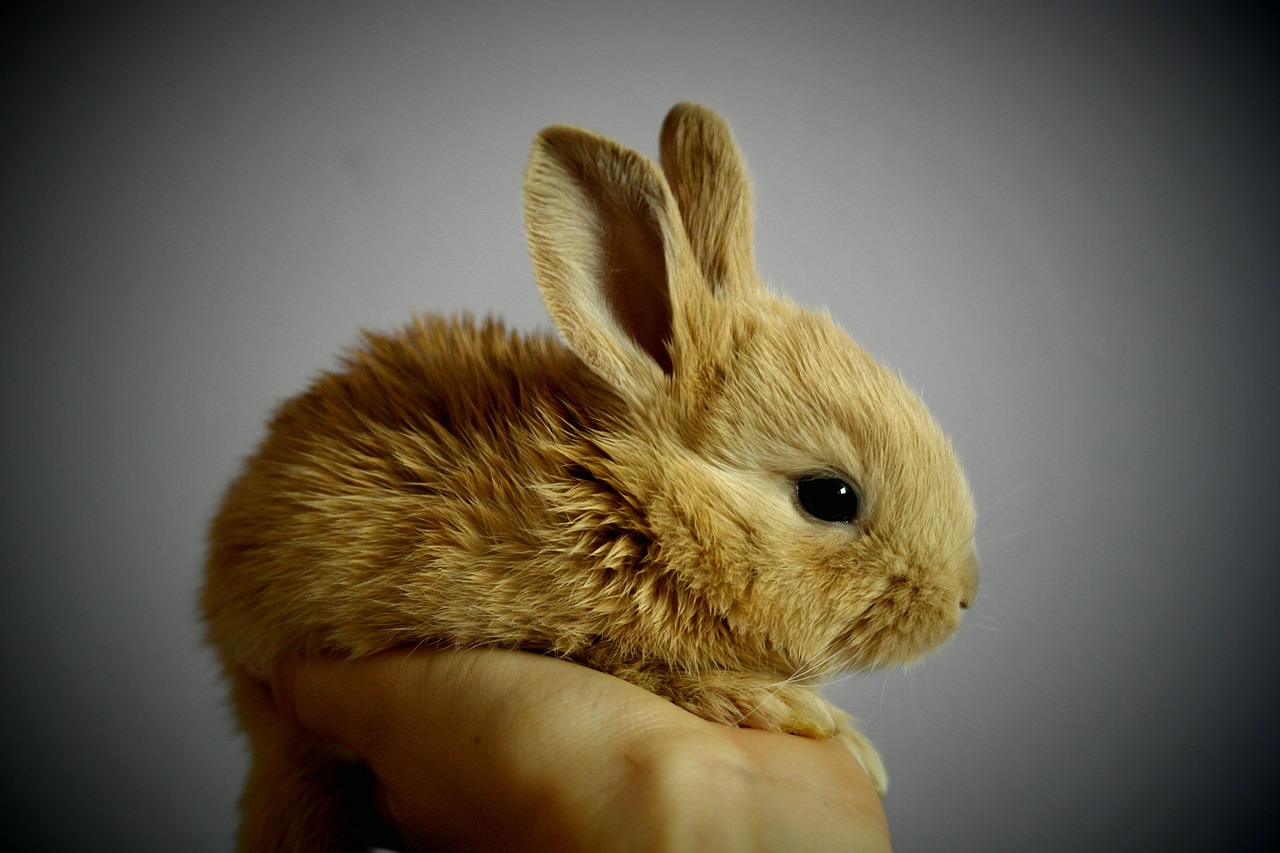
Rabbits are social creatures with unique health needs. Understanding how to care for them will ensure they lead a fulfilling life.
Stress-Free Vet Visits
Routine vet visits are vital for your rabbit’s health. But many rabbits fear these trips. To reduce stress, acclimate your rabbit to their carrier by letting them explore it at home. When it’s time for a visit, cover the carrier with a towel to create a calm environment.
Communicate with your vet about any concerns you have. This openness helps in tailoring care specifically for your rabbit. Remember, prevention is better than cure, and regular check-ups can catch potential issues early, saving your rabbit from discomfort.
Common Rabbit Health Issues 🐰
Rabbits often face specific health challenges. Dental problems are common due to their continuously growing teeth. Ensure they have plenty of hay to chew, which prevents overgrowth. Gastrointestinal stasis is another concern, where the digestive system slows down or stops. This condition can be life-threatening if not addressed promptly, so a diet high in fibre is crucial.
Keep an eye out for any changes in behaviour or appetite, as these can be early signs of health issues. Most rabbit owners think their pet is just being picky, but these changes often indicate a deeper problem. With proper attention and care, your rabbit can enjoy a long, healthy life.